
Faculty of science and technology
School of Agriculture Sciences
The School of Agriculture provides education and training in horticulture, agricultural science, crop production, livestock management, agricultural machinery, food security, and sustainable agricultural development
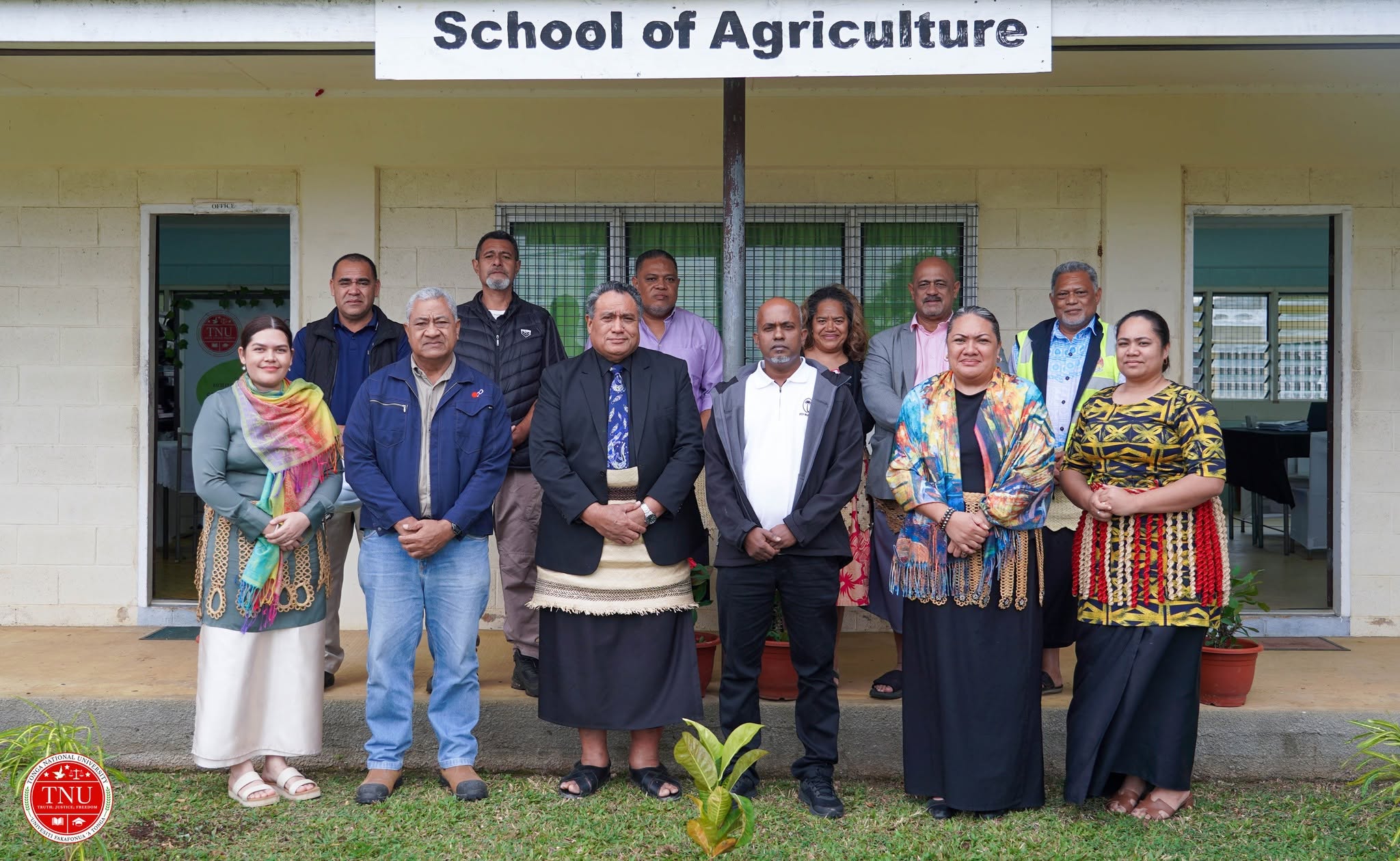
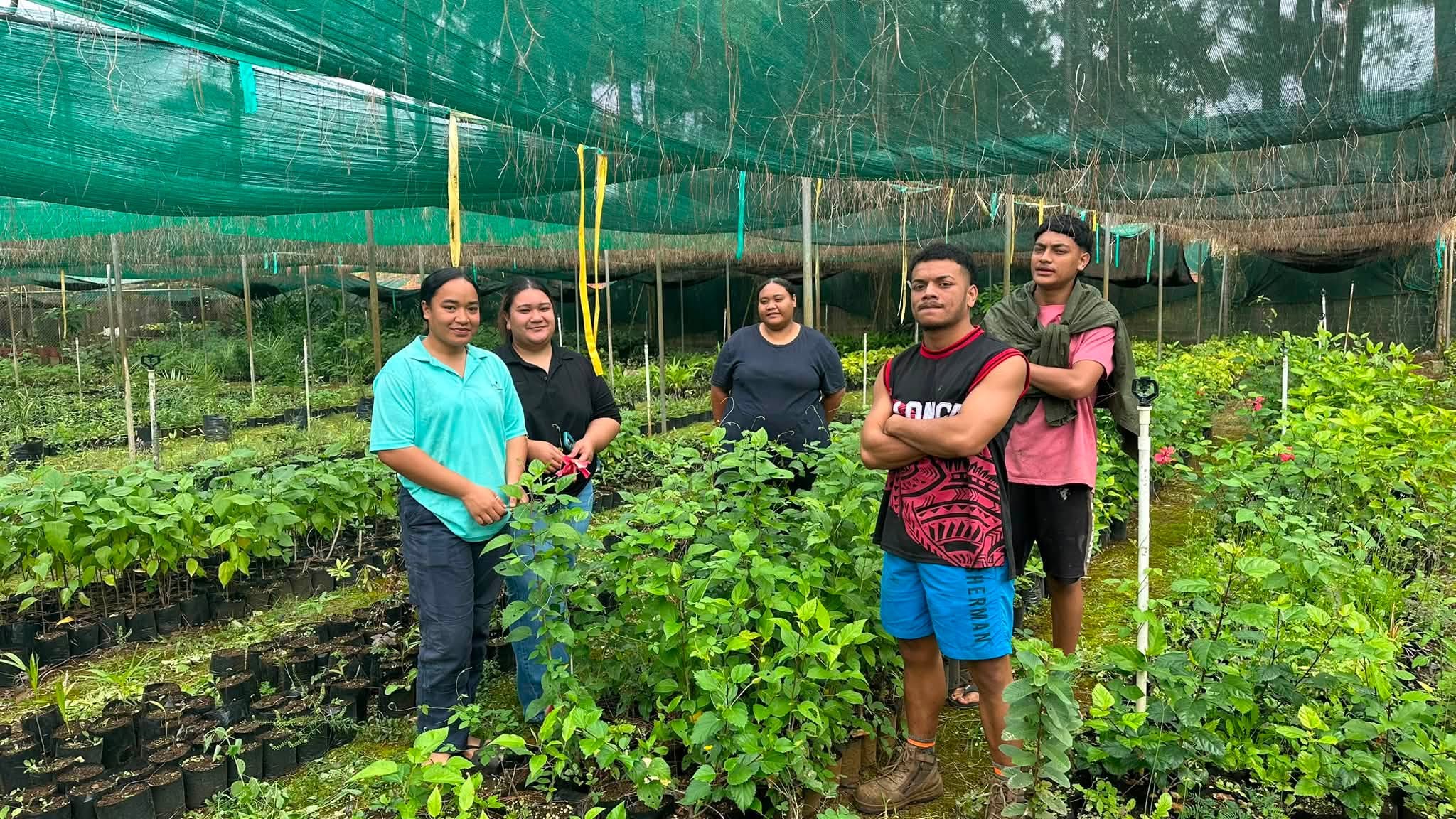
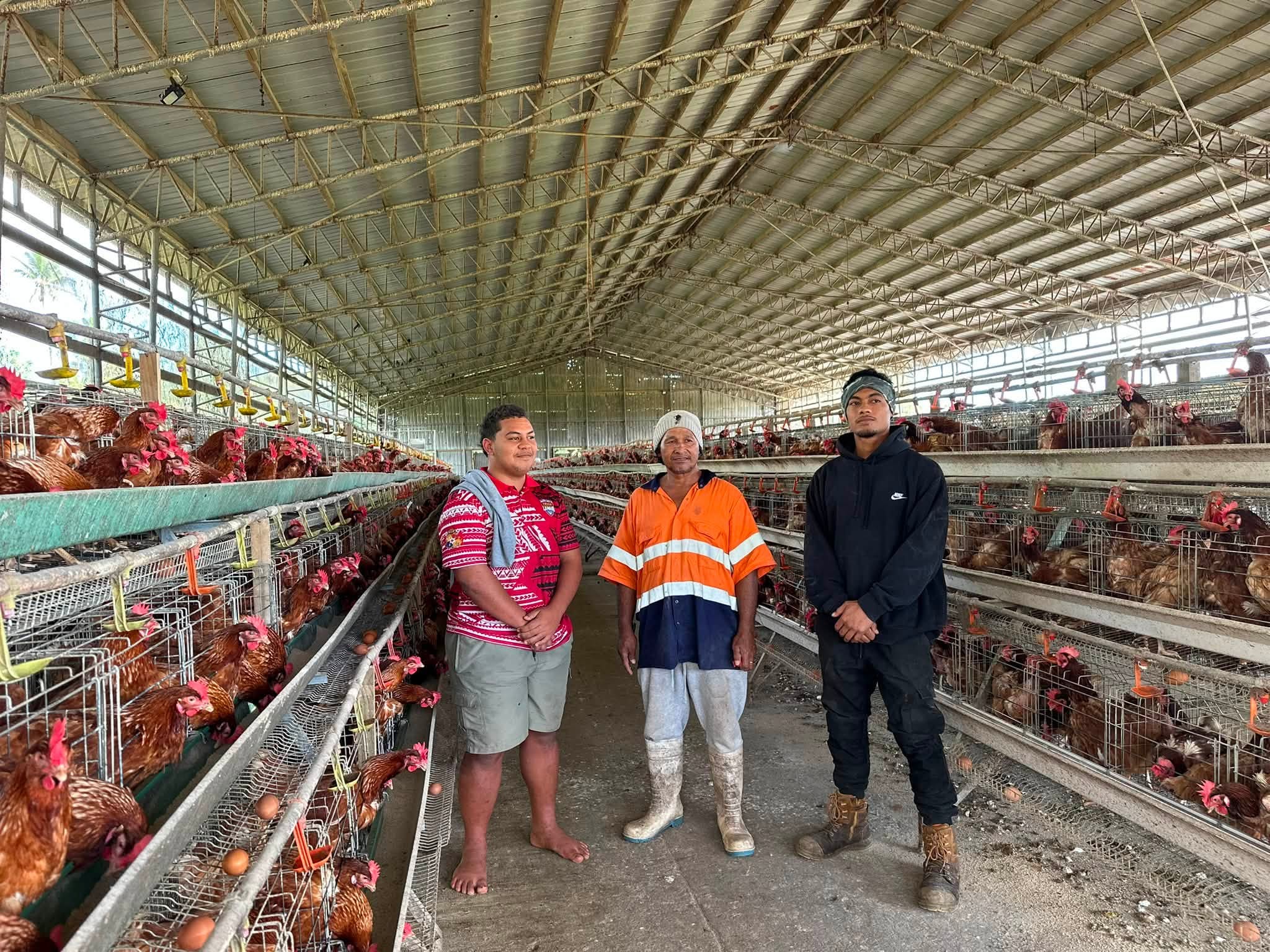
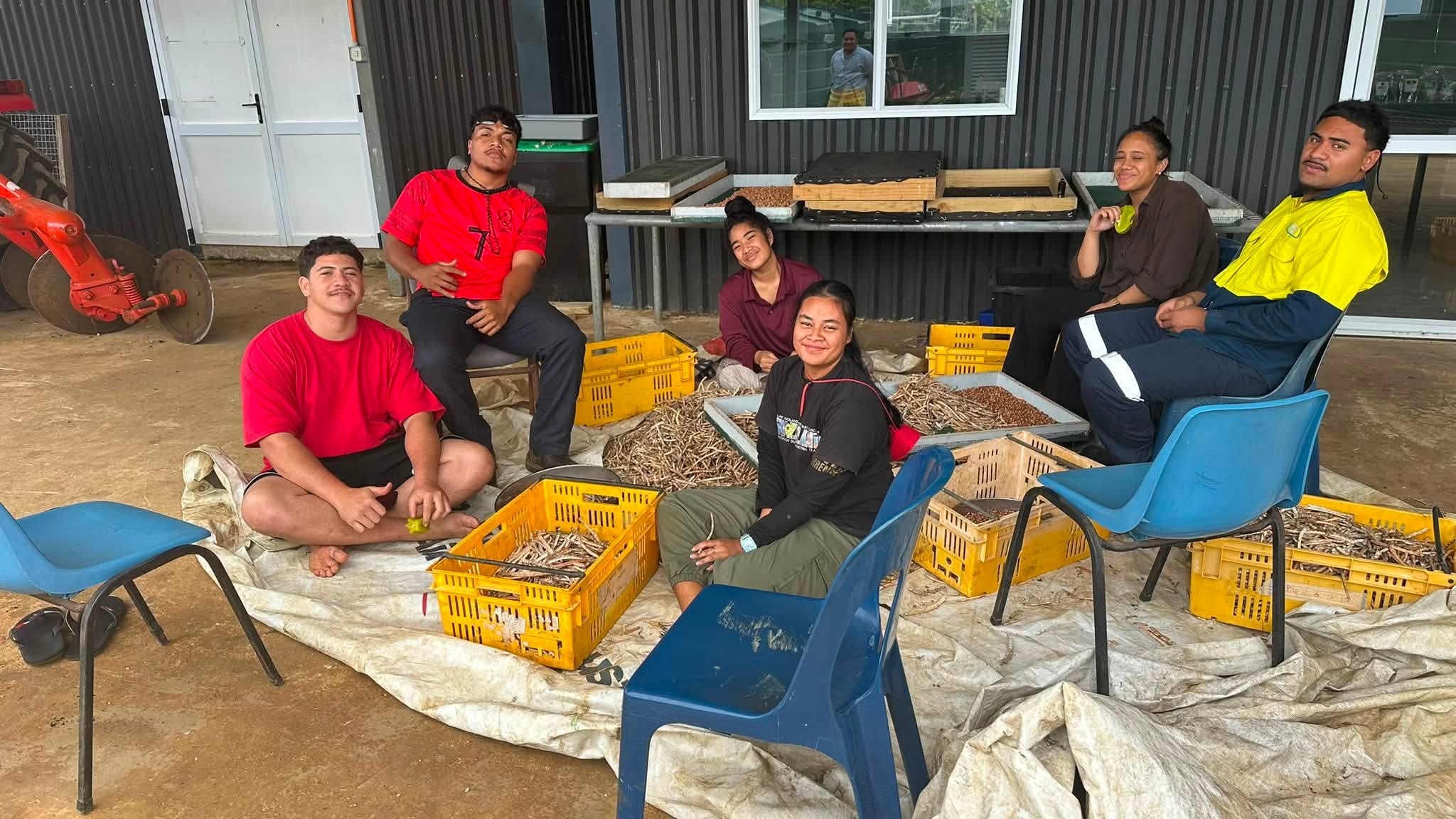
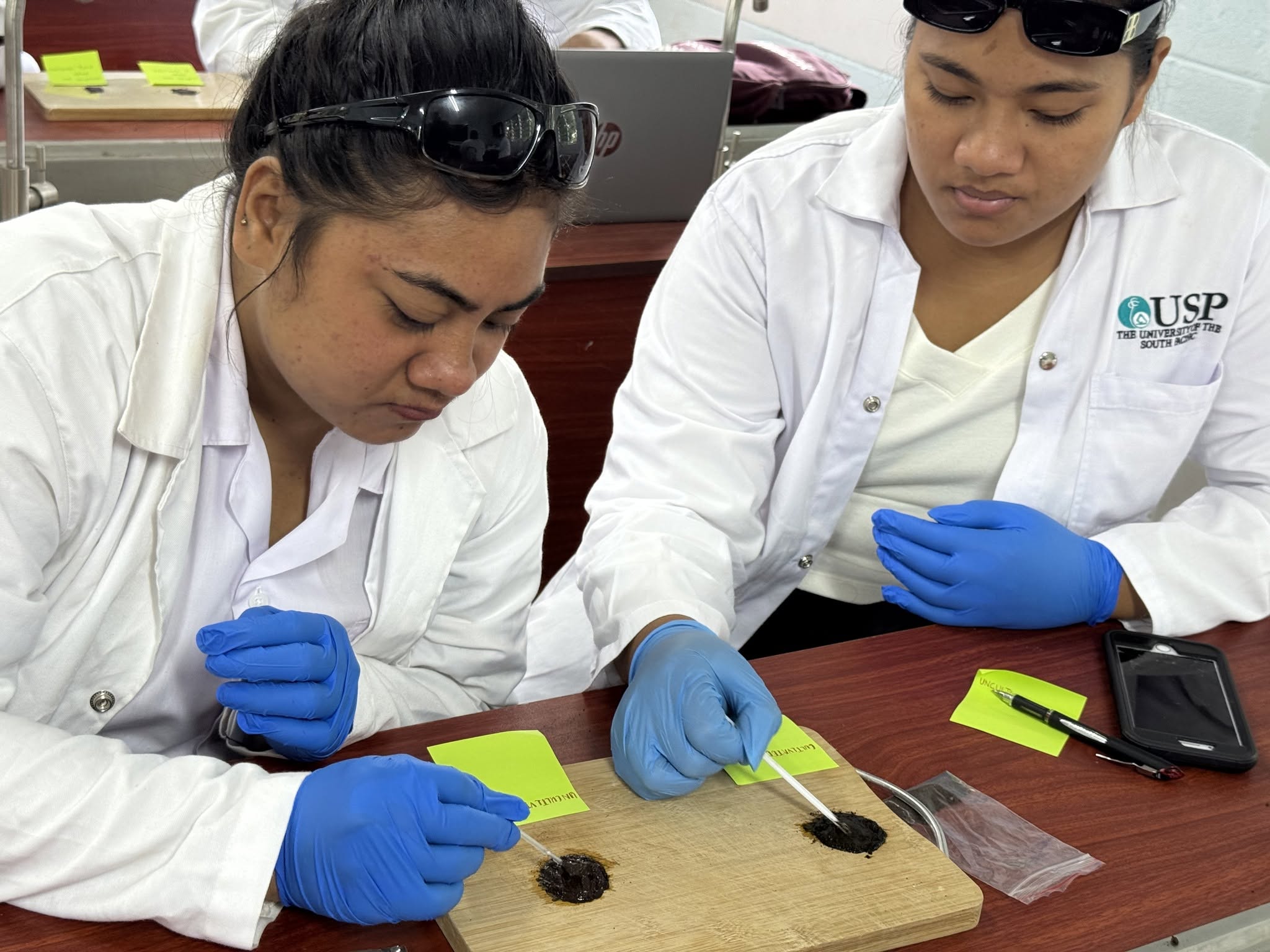
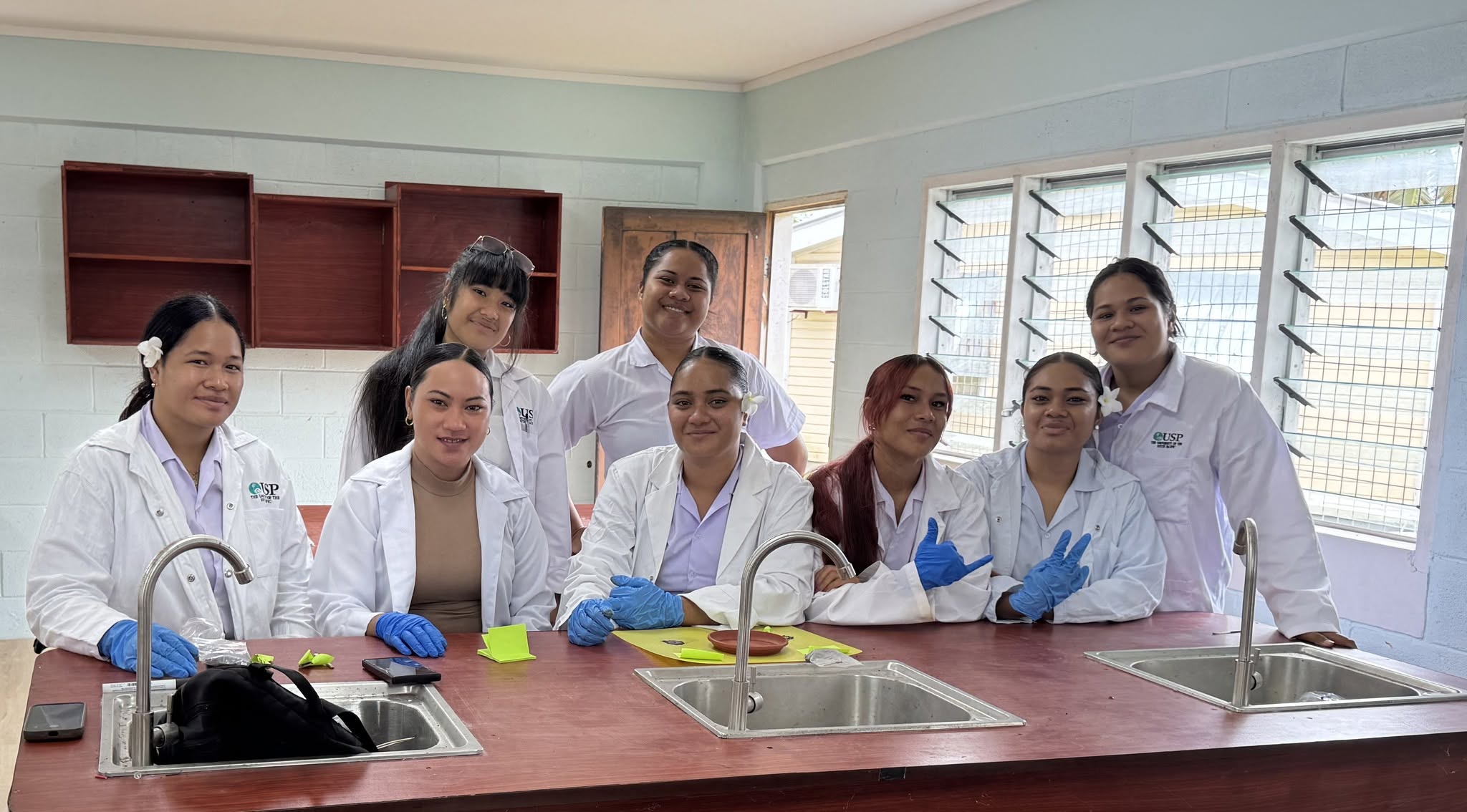


The School of Agriculture offers programmes of study, each with a programme statement that demonstrates the intentions, expectations, knowledge, and skills students are expected to develop throughout their learning.
Programmes Offered
Click each programme below to view the programme statement, course structure, and entry requirements.
1. Horticulture - Certificate Level 2 & Level 3
Program Statement: Provides basic operational knowledge of horticulture with moderate range of practical skills which enable the graduates to gain higher levels of study on the field or work in the horticulture industry under general supervision and quality control.
- Certificate in Horticulture Level 3
Program Statement Provides the horticulture sectors with graduates who have well developed skills and relevant theoretical knowledge of health and safety in the horticulture industry; plants and soil science, plants growing system and environments, to underpin practical capability in a range of horticulture sectors.
Entry Requirements
For Certificate Level 2
Candidates must attain Tonga School Certificate (TSC) Examination. Those who didn’t attain TSC must sit and pass the School of Agriculture’s Language, Literacy and Numeracy (LLN) Test.
OR
Candidates have demonstrated competence at this level through recognition of prior learning (RPL). Evidence for RPL must submit including the following:
- Letters and references, including conformation from an employer, client or community groups.
- Reference from a paid or unpaid work experience.
- Samples of work, including reports.
For Certificate Level 3
Candidates must have completed the Certificate in General Horticulture Level 2
OR have passed their Tonga Form Six Certificate Examination or equivalent in the following subjects: English, Mathematics, Agriculture, Biology and Chemistry.
| Program Name | Semester | Code | Course Name and Description |
|---|---|---|---|
| Horticulture - Certificate Level 2 | 1 | HORTC201 | Literacy and Numeracy skills in Horticulture Applies effectively the knowledge of literacy, numeracy, and digital skills while working in the field of horticulture and in their daily chores |
| HORTC202 | Introduction to Digital Literacy Applies effectively the knowledge of literacy, numeracy, and digital skills while working in the field of horticulture and in their daily chores |
||
| HORTC203 | How to Use, Maintain, and Store Agricultural Chemical Personnel Protective Equipment Demonstrates Health and Safety in handling agri-chemicals. |
||
| HORTC204 | Maintain Hand Tools and Service Small Engine Use in Horticulture Demonstrates knowledge and skills of how to maintain hand tools and service small engine use in horticulture. |
||
| HORTC205 | Introduction to Soils and Growing media Applies knowledge of characteristics of soils and soilless growing media to grow/plant flowers, vegetables and fruits. |
||
| HORTC206 | Introduction to Soils and Plant Nutrition Applies knowledge and skills of how to improve the soil condition and potting mix and what fertilizers required to maximize plant growth in horticulture. |
||
| HORTC207 | Introduction to Plant Classification, Structure and Functions of Plants Applies knowledge of plant taxonomy, structure and functions of plants to classify plants in horticulture. |
||
| HORTC208 | Introduction to Plant Selection Demonstrates understanding of horticulture, trees or herbaceous plants selections. |
||
| HORTC209 | Introduction to Plant Propagation Demonstrates understanding of how to grow plants from seeds, cutting, grafting, and propagating new plants. |
||
| HORTC210 | Introduction to Ground Preparation for Seeding and Planting Demonstrates understanding of ground preparation for seeding and planting in horticulture. |
||
| HORTC211 | Introduction to Establishment and Maintenance of Plants Outdoors Demonstrates an understanding of how to establish and maintain plants outdoors in horticulture. |
||
| HORTC212 | Introduction to the Cultivation of Decorative Plants Demonstrates an understanding of the cultivation of decorative plants in horticulture. |
||
| HORTC213 | Principles of Sustainability Horticulture Applies principles of sustainable horticulture and relate them to growing in horticulture system. |
||
| HORTC214 | Introduction to Principles of Plant Health and Protection Demonstrates an understanding of plant health and protection by identifying weeds, pests, diseases, disorders, and the most effective management techniques to rectify them. |
||
| Horticulture - Certificate Level 3 | 2 | HORTC301 | Horticultural Health and Safety Provides learners with knowledge of potential hazards and correct safely procedures as well as basic first aid training. |
| HORTC302 | Horticultural Numeracy Skills Provides students with skills in performing calculation required for agricultural operations, and in collection, presentation and analysis of data. |
||
| HORTC303 | Workplace Communication Develops an understanding of proper communication in workplace |
||
| HORTC304 | Introduction to Computer Literacy Provides an introduction to the world of technology and its many benefits and use. |
||
| HORTC305 | Plant Science Provides learners with an understanding of the principles of plant science and how these can be applied in practice. They developed understanding of how plants grow and develop, through knowledge of their structure and physiology. |
||
| HORTC306 | Soil Science Develops the learners understanding of soil characteristics, and their relationship to crop growth and development |
||
| HORTC307 | Soils and Growing Media Provides learners with the skills and knowledge to identify, and explain the characteristics of soil and soilless growing media; and explain the characteristics of soil as a growing medium |
||
| HORTC308 | Plant Materials Provides learners with an understanding of planting materials used in horticulture |
||
| HORTC309 | Plant Propagation Provides learner’s knowledge and skills to propagate a diverse range of plants with particular emphasis on cutting and seeds and explain budding and grafting technique. |
||
| HORTC310 | Manage Soil Water Develops an understanding of how to manage soil water and how this can be applied in practice in horticultural situations and be able to maintain irrigation and drainage systems. |
||
| HORTC311 | Identification, Planting and Care of Trees Provides learners with an understanding of the identification, planting and care of trees and how this can be put into practice. The learner will be able to identify trees and shrubs by botanic name and specify woody plants that are suitable for the situation and site. In addition, learners will be able to plant a range of tree types and provide immediate aftercare. They will also be able to specify future maintenance need |
||
| HORTC312 | Introduction to Sustainable Horticulture Provides learners with an understanding of the principles of sustainability in horticulture |
||
| HORTC313 | Principles of Plant Health and Protection Provides learners with an understanding of the principles of plant health and protection and how this can be applied in practice. Identifies weeds, pests, diseases and disorders within a horticulture industry. They will also be able to review the range of control measures viable and specify integrated control |
||
| HORTC314 | Horticulture Business Planning Provides learners with and an understanding of developing business planning, budgeting, solve range of horticulture financial problems. |
| Program Name | Semester | Code | Course Name and Description |
|---|---|---|---|
| 1 | ED075 | Introduction to Philosophy of Education Provides an overview by way of major philosophical problems, knowledge and skepticism (disbelief), free will versus determinism, the mind-body problem: good versus evil. It is prefaced by an introduction to basic logic and fundamental philosophical concepts. In addition, it introduces students’ philosophy of education that addresses philosophical questions concerning nature, aims and problems of education, its underlying principles, purposes, the foundation of knowledge and its application in classroom context. Students will have an opportunity to demonstrate with explicit comprehension of these principles in professional practices, verbally and non-verbally, in assessments and in practicums. |
|
| ED076 | Introduction to Teaching & Learning Provides students with basic teaching skills in their first introduction to the process of teaching. It covers lesson planning, presentation, questioning skills and basic classroom management. It gives opportunities for students to practise teaching skills through the micro-teaching process. Emphasis is placed on these skills being actively practised through class presentations and micro-teaching, as a means to develop confidence and competence in preparation for the trainees going out on teaching practice in the schools. |
||
| ED077 | Introduction to Professional Standards Explores Tongan educational policies, frameworks, codes and teacher standards which guide and safeguard educational practices pertaining to thinking, learning, teaching, decision making and ethical behaviour. It further explores historical developments in schooling on an international scene and within the confines of Tonga to stipulate how international perspectives and theories interplay and are relevant for Tonga. It also delves deeper into the social, cultural, political, religious and legal influences on schooling to foster a holistic understanding of the foundations of education in Tonga. The course provides opportunities for teacher trainees to undertake guided critical reflection on local and international perspectives, ideas and reforms and to consider their impact and relevance for Tongan schools and classroom contexts. It is important to note that this course is compulsory for all primary and secondary teacher trainees and lectures will be delivered in a combined mode |
||
| Initial Teacher Certificate in Education Level 4 Year 1 | ED078 | Introduction to Assessment & Evaluation Helps the student to understand the many roles Education plays in contemporary societies with comparison to our Tongan Society. It will address student’s own experience of Education and culture in the Pacific. This course will also prompt students to evaluate how school systems in Tonga influence our Society and how Society influences Schools. Education and Society will serve as a cornerstone for other Education courses debates within that area. The course challenges students to be active in improving education for Tonga |
|
| 2 | CE079 | Core English for Faiako Ma’a Tonga Focuses on practicing the basic practical and functional English language skills to improve both academic and personal development. Aims to enhance understanding of basic English language and grammar usage. Progresses to the four English language modes of writing, reading, speaking and listening which are fundamental for future professional and personal use. Students will have the opportunity to refine and practice basic English skills for quality and effective communication in the classroom and social contexts as well as life in general. These skills will assist students to become more proficient, confident and competent users of the English Language. |
|
| CO080 | Introduction to Information, Communication & Technology Information Technology stage 1 is a compulsory course to all student is willing to enrol in any program. Information Technology stage 1 provides students with both the theoretical background relating to learning and creating teaching resources using modern technology, and also practical using computer applications which are appropriate to their teaching context. |
||
| ED079 | Practicum (a & b) Introduces Teacher Trainees (TTs) to the teaching profession. It examines their underlying beliefs about teaching and learning. Teaching practice requires TTs to undertake practice teaching at schools as part of their training. Teaching is a dynamic and challenging task; therefore, teaching practice is a unique component towards becoming a competent teacher. In this teaching practice, professional traits inculcated in TTs prepares them as they face the reality of classroom and school situations of their respective teaching context. School practicum also provides TTs with opportunities to utilize their knowledge, skills and teaching strategies thus planning, implementing, managing the classroom and communicating with pupils of different ability levels and varied learning styles enrich their teaching experiences and positive attitude towards teaching profession. TTs should therefore treat the teaching contents and assessment seriously and progressively from semester 1 to semester 2. |
||
| TO081 | Ako’i mo e Ako ‘o e Lea Faka-Tonga ma’ae Faiako Ma’a Tonga Oku ako’i mo teuteu’i he Pepa ko ení e kau faiakó: ke nau lava ‘o ako’i lelei ‘a e Lēsoni Lea faka-Tongá, Tonga mo e Anga Fakafonua ‘i he ngaahi Lautohi Pule’angá meí he kalasi 1 – 6 Te nau ma’u foki heni ‘a e taukei fakafaiako ki hono ngāue’aki ‘o e silapá pea mo ‘ene felāve’i mo e ngaahi naunau fakafaiako kehe (Ko e Tohi ma’á e Faiako mo e Tohi ma’á e Fānau). |
2. Horticulture - Certificate Level 4
Program Statement:
Provides the practical skills and knowledge which will give students the relevant skills to seek employment or further learning and training within the Agricultural Industry.
Entry Requirements:
Candidates should have:
- Passed Tonga Form Six Examination/Pacific Senior Secondary Certificate (PSSC), with aggregate 16 or higher with grade 5 or higher in English, Mathematics and the basic Sciences.
- Successfully completed the Certificate in Horticulture Science (Level 3) from any recogninsed institution.
Applicants who do not meet the above pre-requisites may be considered for enrolment on a case-by-case basis taking into consideration their qualifications and experinces.
| Program Name | Semester | Code | Course Name and Description |
|---|---|---|---|
| Horticulture - Certificate Level 4 | 1 | HORTC401 | Soils and Growing Media Designs to enable learners to develop an understanding of those soil properties and processes that are basic to the optimum utilization of soils now and in the future |
| HORTC402 | Plant Form and Identification Develops the context of the origins of Tongan plant diversity with special emphasis on selected and iconic Tongan plant groups. Native and introduced plant groups are emphasized in practical studies and some emphasis will be placed on understanding the status of rare, threatened and priority weed plant groups. |
||
| HORTC403 | Plant Structure and Functions Applies knowledge of plant sciences and their structure and functions to determine how plant grow in response to its environment and how to control plant diseases, pests and weeds in horticulture. |
||
| HORTC404 | Plant Growth and Environment Provide the student with a foundational understanding of environmental and physiological basis (mechanisms and principles) of the interactions between plants and their environment in relation to their survival and ecological distribution. |
||
| HORTC408 | Communication and Supervision Introduces the basic principles of communication and supervision roles as they relate to field of employment in horticulture. |
||
| HORTC412 | Horticultural Computing Develops learners to understand and be competent in using the internet for research and communication as it pertains to horticulture and: be competent in Microsoft Window 10, proficient in using Microsoft Word program and Microsoft Excel as well as Power Point presentation for communication. |
||
| 2 | HORTC405 | Plant Propagation Develops knowledge and skills in plant the propagation of different plant species from: Seeds, using different seed propagation methods. Plan the propagation of different types of plants from cuttings, using different cutting propagation methods. |
|
| HORTC406 | Plant Culture and Garden Maintenance Designs as a foundation for people working as gardeners, and for some can be a stepping stone to developing a garden maintenance business, or to further studies leading to a career in horticultural management, education or media. |
||
| HORTC407 | Plant Protection Develops the student’s ability to identify, describe and control a variety of pests, diseases and weeds in horticultural situation, and to describe safety procedures when using agricultural chemicals. |
||
| HORTC409 | Small Business Management Provides the learners basic skill of how to plan for success, market products or services, find the right sources to finance a business, and write an effective business plan step by step in order to start your own small business or manage a small business for someone else. |
||
| HORTC410 | Business Planning and Marketing Introduces students to the basic concepts of marketing and demonstrate how these may be applied to small horticulture business. |
||
| HORTC411 | Horticulture Tools and Equipment Develops knowledge and skills necessary for use and maintenance of a range of horticulture tools equipment correctly and safely. The learner will also be capable of identifying possible hazards and safety precautions as required. The learner will also explore power hand tools use and maintenance including safety checks, mixing fuel, checking and fixing of leaks, use pedestrian machinery including mist blower, knapsack and rotovator, and horticultural machinery including tractor and mower. |
3. Agricultural Science Certificate Level 4
Program Statement:
Designs for students to gain the core skills and knowledge required for working in an agriculture environment, especially that of crop production, livestock husbandry and management. The program provides sound practical skills that are relevant for work in the industry with animals, crops and machinery.
Entry Requirements
Candidates should have:
- Passed Tonga Form Six Examination/Pacific Senior Secondary Certificate (PSSC), with aggregate 16 or higher with grade 5 or higher in English, Mathematics and the basic Sciences.
- Successfully completed the Certificate in Horticulture Science (Level 3) from any recogninsed institution.
Applicants who do not meet the above pre-requisites may be considered for enrolment on a case-by-case basis taking into consideration their qualifications and experinces.
| Program Name | Semester | Code | Course Name and Description |
|---|---|---|---|
| Agricultural Science Certificate Level 4 | 1 | AGC011 | Agricultural System Introduces sustainable agriculture and to consider agriculture as part of a total dynamic system. It also aims to build their understanding of the inter-relationship of the factors that affect the systems within which agriculture exists. |
| AGC012 | Agricultural Maths and Statistics Develops students’ skills in performing calculation required for agricultural operations, and in collection, presentation and analysis of data. |
||
| AGC013 | Computing Develops skills in selecting, using and maintaining personal computer systems for personal, professional and study purposes. |
||
| AGC014 | Communication Skills Develops skills of effective communication in all situations including the workplace, and introduce students to scientific writing. |
||
| AGC015 | Farm Management Records Develops skills and knowledge to organize and maintain physical and financial records for the farm business in a format suitable for use by management |
||
| 2 | AGC020 | Plant Science Develops skills and knowledge of how plants function and the factors which effect plant and development. |
|
| AGC021 | Crop Production 1 Develops skills and knowledge on crop husbandry and management practices of field crops, root crops, and other crops of importance to Tonga. |
||
| AGC022 | Animal Production 1 Develops an understanding of the Animal Production systems of Tonga and an appreciation of the interaction with the environment on the integration of animal production into agricultural systems. Knowledge of the development of management and husbandry practices appropriate to the domestic market requirements and the facilities required to implement these management strategies. |
||
| AGC023 | Farm Workshop Practices Develops skills and knowledge in the fields of farm workshop practices, small engine workshop practices, fence construction and building construction. |
||
| AGC024 | Industry Based Work Experienced Provides students with an experience and opportunity of employment in an agricultural or related industry. Practices and enhances skills relevant to agricultural production and related activities. |
4. Agricultural Science - Diploma Level 5
Program Statement:
Designs for students who wish to pursue a career in Agriculture or Horticulture production, management, science of plant breeding, entomology, microbiology, agricultural machinery, and food and health. The program develops student’s ability to conduct research, plan, organize, conduct projects, solve problems, collect, organize and communicate information. It equips student with knowledge and skills of applying science and technology to the production, processing, marketing, and consumption of products.
Entry Requirements:
For Diploma Level 5
Candidates should have the following:
- A pass in the Tonga Form Seven Examination OR South Pacific Form Seven Certificate with a pass mark in English, Mathematics and Sciences;
- Completion of a Certificate in Agricultural Science (Level 4) other recognized tertiary Institution;
- Completion of a qualification recognized for cross-credit;
- Recognition of Prior Learning (RPL) especially to do with mature students who have had some qualification and experience in agriculture, and demonstrated competence at this level.
| Program Name | Semester | Code | Course Name and Description |
|---|---|---|---|
| Agricultural Science - Diploma Level 5 | 1 | AGD511 | Entomology Provides students with an understanding of the biology of insects with particular reference to their activities which are significant for agricultural production |
| AGD512 | Animal Anatomy and Physiology Provides students with an understanding of the structure and function of the skeletal, muscular, circulatory, respiratory, digestive, reproductive and immune systems of the animals of Agricultural significance |
||
| AGD513 | Crop and Horticultural Production Provides students with tools needed to assess the potential for diversifying crop production with various horticultural crops. It will provide information on basic production and marketing information that needs to be considered when assessing whether a horticultural crop will be a viable alternative to an existing or a new farming venture in Tonga. |
||
| AGD514 | Animal Production II Provides students with an understanding the current production and production practices and also discuss some of future opportunities that may occur in animal production in Tonga and the Pacific |
||
| AGD515 | Agriculture Foods and Health Provides students with an understanding of the relationship between agricultural production, food consumption and health, with knowledge of human nutrition and the impact of food supply on the health of various population groups, and with an appreciation of, and skills to manage agricultural production with a view to improving human nutrition and health. |
||
| 2 | AGD520 | Agricultural Chemistry Provides students with a basic understanding of the structure and properties of inorganic chemicals and components of cells in plants, animals and microorganisms and their functional significant to agricultural production, the nature of chemical change and the factors relevant to processes in agriculture, and |
|
| AGD521 | Animal Nutrition and Breeding Develops an understanding of ruminant and monogastric digestive systems, composition of feeds, animal requirements and ration formulation. An understanding of the basic principles of genetics, their application in livestock breeding programs, breeding programs, artificial breeding and selection programs. |
||
| AGD522 | Agriculture Chemistry This subject aims to provide students with a basic understanding of the structure and properties of inorganic chemicals and components of cells in plants, animals and microorganisms and their functional significant to agricultural production, the nature of chemical change and the factors relevant to processes in agriculture, and knowledge and skills in the analytical techniques used for agricultural purposes. |
||
| AGD523 | Micro-Biology Provide students with a basic understanding of the structure and properties of inorganic chemicals and components of cells in plants, animals and microorganisms and their functional significant to agricultural production, the nature of chemical change and the factors relevant to processes in agriculture, and knowledge and skills in the analytical techniques used for agricultural purposes. |
||
| AGD524 | Agricultural Machinery Provides students with skills and knowledge in the management, maintenance, selection and safe operation of farm machinery. |
||
| AGD525 | Industry based Work Experience Provide students with an experience and opportunity of employment in an agricultural or related industry. Opportunities to practice and enhance skills relevant to agricultural production and related activities; develop new skills; take responsibility for their own and other’s actions; see the impact of their activities on the operation of an agricultural enterprise, and appreciate the nature of interactions which occur within organizations such as workplaces |
5. Agricultural Science - Diploma Level 6
Program Statement:
Develops theoretical and practical knowledge and skills in agriculture to ensure the relevance of the discipline in addressing agricultural sector development for food security and sustainable environment. Students will gain applied knowledge in agriculture that will enhance their employment prospects and provide a foundation for continued study and specialization in economics and business, animal management and production science, crop and pasture science, or Environmental and Soil Science.
Entry Requirements:
For Diploma Level 6
Students wishing to enrol in the Diploma in Agricultural Science Level 6:
- Completion of a Diploma in Agricultural Science (Level 5) from TNU or other recognized tertiary Institution.
- Completion of a qualification recognized with cross-credit arrangements.
| Program Name | Semester | Code | Course Name and Description |
|---|---|---|---|
| Agricultural Science - Diploma Level 6 | 1 | AGD611 | Animal Health Demonstrates an understanding of the causes of disease, the defense mechanisms both natural and artificial used by the animal to combat disease. Classifies the main animal diseases in Tonga, their identification, treatment and control. Reflects upon the importance of quarantine and hygiene in restricting the spread of disease. |
| AGD612 | Farm Business Management Provides students with knowledge and skills to operate an agricultural business and also introduces skills and techniques of managerial decision-making in the farm context. Using both production and business skills they should be able to evaluate the performance of a farm business and use recognized techniques to plan for its future. |
||
| AGD613 | Soil Science Provides students with a clear understanding of the role and function of soil as a natural resource and as a medium for plant growth, and to enable students to describe the physical, chemical and biological properties of soils, and relate such to plant growth and land use patterns, after considering the major soil types in Tonga. |
||
| AGD614 | Agriculture Climatology and Climate Change Explores the relationship between climate and agriculture in order to appropriately make use of every given climatic condition to maximize agricultural yield for maximum gains. |
||
| AGD615 | Plants and Animal Products and processing Provides students with knowledge and understanding of the methods and technologies available for processing agricultural products with a view to reducing spoilage and health risks and to encourage value in the form of quality food products. |
||
| 2 | AGD621 | Human Resources Management and Agricultural Extension Deepens students’ knowledge of the principles and practice of human resource management, relevant to being an employee in an organization and also appropriate to those with supervisory responsibilities and also provide learners with the basic knowledge and skills to be a competent extension/rural development practitioner |
|
| AGD622 | Crop Protection Provides students with skills and knowledge about protection of plants from pest infestation, disease infection: importance, bio morphology, and ecology of plant pests; importance and concept of plant disease; classification of plant disease; symptom and the damage caused by plant pathogens; parasitism and disease development; the causal agents of plants disease; plant defense against infection plant disease; plant disease epidemy and the factors involved; principles of plant and disease management; and integrated pest management concept. |
||
| AGD623 | Agricultural Economics and Marketing Provides students with skills and knowledge of the basic theoretical concepts of agricultural economics and its application to the developing country economies, and also provide skills and knowledge of the marketing strategies and techniques appropriate to agricultural products and services, both locally and internationally |
||
| AGD624 | Plant Health Deepens students’ knowledge and skills providing for a common and clear understanding of correct and consistent implementation plat health management control In Tonga and the world. |
||
| AGD625 | Agricultural Research Methodology Provides students with skills and knowledge of experimental design and its application to agriculture, especially in relation to Crops and Animal Science. The aim of the course will be achieved by the following: Create an insight into statistical methods and presentation of research findings in tabular and graphical forms. |
6. BA (Agricultural Science) – Level 7
Program Statement:
Prepares students with specialized technical knowledge and skills for a professional career in agriculture, horticultural science and agri-business. Graduates will have a strong background in the area of agri-business and marketing, animal management and production science, crops and pasture science, and Environmental and Soil Science. They will gain applied knowledge and skills to create and participate in an agricultural system which can meet the world’s needs for food and fibre, and enhance their employment prospects and provide a foundation for continued post graduate study and specialization in economics and business, animal management and production science, crop and pasture science, or Environmental and Soil Science.
Entry Requirements:
For the BA Agricultural Science
Students wishing to enrol in the Bachelor of Agricultural Science Level 7:
- Completion of a Diploma in Agricultural Science (Level 6) from this institution or other recognized tertiary Institution.
- Submit a Research Proposal.
| Program Name | Semester | Code | Course Name and Description |
|---|---|---|---|
| BA (Agricultural Science) – Level 7 | 1 & 2 (see course Options in 3rd Year) | BAE711 | Agricultural Production Economics Designs for students to use concepts, approaches, and methods from Agricultural Economics curricula in their career or future studies to understand and evaluate issues, plans, or projects. Develops a thorough understanding of the classical microeconomic theory of the firm under static certainty. Develops the ability to perform graphical and mathematical analyses using production economic theory. Provides experience in applying production economic theory to managerial and policy problems. |
| BAE712 | Farm Business Management Provides students with tools needed to measure management performance and financial condition of the farm business. It develops decision-making skills in planning, organizing, and directing and controlling farm business |
||
| BAE713 | Agriculture Marketing Management Develops an understanding of the field of marketing. The focus will be on imparting knowledge of the basic concepts, tools, and functions of marketing. |
||
| BAE714 | Consumer Behaviour Deepens knowledge of behavioral perspectives in marketing that will provide a conceptual perspective to any participant working in retailing /advertising /brand management / sales management/ marketing research (appreciation of consumer behavior only and not marketing research tools)/ marketing strategy/ digital marketing in areas of consumer fast moving goods/ durable goods/services. |
||
| BAE715 | Agribusiness Marketing and Value Chains The course introduces students to the concepts and processes of agricultural supply chain management, framework for structuring supply chain drivers; network designs, demand forecasting, inventory planning, sourcing decisions and enablement of supply chain. |
||
| BAE716 | Agricultural Policy The course aims to examine domestic and international agricultural issues and the role of government in formulating agricultural policy. Students will become familiar with the role of agriculture in the national economy and how agricultural policy decisions affect the general public. Students will develop an understanding of the economic impact of the agricultural policies of individual nations on international trade. |
||
| BAA712 | Farm Animal Growth and Development Develops knowledge of the nutrients provided by foods and the factors that determine their digestive and metabolic use, in order to assess their efficiency of use. It also includes the definition and assessment of the needs of domestic animals in their different physiological phases and the analysis of the different feeding systems that allow them to be satisfied. It is intended that the achievement of these objectives will facilitate the understanding and construction of their own knowledge in the other disciplines of the degree |
||
| BAA713 | Animal Health and Management Develops understanding of animal health and disease management including: signs of good and poor animal health, principal causes of diseases; methods of disease transmission and diagnosis; mechanisms of disease prevention and management including biosecurity, host immune responses and vaccination; zoonotic diseases and public health; common diseases of farm animals and management. Open to animal sciences majors, pre-veterinary and related fields. |
||
| BAA714 | Ruminant Animal Production Designs and provides learner with a general concept and understanding of the husbandry and management principles of ruminant animals for production purposes. |
||
| BAA715 | Pig Production Equips learners an in-depth knowledge of the pig production aspect of the general livestock production. It is conceived as an elixir to the many challenges confronting the establishment and successful take off of swine enterprise in Tonga or other countries. |
||
| BAA716 | Poultry Production Provides learner with knowledge on principles for successful poultry production such as breeds and breeding, building and equipment, incubation of eggs, hatchery management, and different facets in the management of poultry. |
||
| BAC711 | Forage and Pasture Crops Provides the basic principles of pasture and forage crops production with emphasis on native pastures, improved pastures and forage crops in Tonga. |
||
| BAC712 | Pasture Crops Management Provides the learner with the scientific background that explains how to produce and manage forage crops and grazing systems that are economically profitable, meet goals for soils, plants and animals, and that are compatible with local natural resources |
||
| BAC713 | Horticulture Science Provides learner with the scientific background of horticultural and botanical classification; climate and soil for horticultural crops; Plant propagation-methods and propagating structures of vegetables, fruits and flowers crops, outdoor and indoor crops, plant pests and fertilizer application in horticulture crops. |
||
| BAC714 | Agronomy Introduces students to basic agronomy and provides them with opportunities to develop interest in different aspects of agriculture. |
||
| BAC715 | Plant Growth and Development Processes Provides learner an understanding on the development processes of plant growth, and how environmental factors interact to affect and control plant growth and development |
||
| BAC716 | Sustainable Agriculture and Food Systems Introduces students to the principles and practice of “sustainable agriculture” and “food security” from multiple perspectives, and able to succinctly summarize why sustainable agriculture is not merely desirable, but necessary in order to meet coming global challenges. |
||
| BAE711 | Fundamental of Crop Protection Provides learner with basic knowledge about protection of plants from pest infestation and disease infection, and explain its importance, bio-morphology, and ecology of plant pests; importance and concept of plant disease; classification of plant disease; symptom and the damage caused by plant pathogens; parasitism and disease development; the causal agents of plants disease; plant defense against infection plant disease; plant disease epidemy and the factors involved; principles of plant and disease management; and integrated pest management concept. |
||
| BAE712 | Entomology and Palnt Diseases Provides learner with basic knowledge of common insect pests and pathogens of crops, a review of the basic principles of entomology and plant pathology. Including taxonomy, morphology, physiology, ecology, behavior, insect/human relationships, pesticides, biological control and the causes, nature and control of plant pathogens. A ‘least is best’ philosophy will be emphasized, regarding the use of pesticides in controlling the various competitions for plant health. Integrated plant management will be the basis for control strategy. |
||
| BAE713 | Sustainable Agriculture Provides the learners with theories, principles and techniques related to sustainable food production. It provides a foundation in plant and soil science, integrated pest management, and ecological agriculture. |
||
| BAE714 | Fundamental of Soil Science Provides the learners with basic knowledge of the physical, chemical, and biological properties of soils, and develop an understanding of the origin, classification, and distribution of soils and their relationship to people and food production. |
||
| BAS715 | Soil Fertility and Fertilizers Raises awareness of the role of essential plant nutrients in crop production and how these nutrients can be replenished in soil through application of organic and inorganic fertilizers. |
||
| BAE716 | Sustainable Soil Management Applies soil science principles in sustainable management of agricultural ecosystems to simulate a real-life evaluation of soil properties to establish the most appropriate management practice in a particular ecosystem. |
||
| AGRI711 | Research Project Develops skills and applying procedures and techniques of investigation and understand complexity, and apply an integrated understanding of the selected topic to the investigation of a supervised project that models professional practice. |
||
| AGRI712 | Agriculture Internship Provides professional agricultural experiences to students in the operation and management of agricultural businesses, or public or private agencies; thus, enhancing preparation for a career in agriculture. |
Build Your Future in School of Agriculture
Discover programmes that prepare you to inspire, educate, and shape the future through teaching and educational leadership.
Apply Now