
Fokololo ‘o e Hau Maritime School
Fokololo ‘o e Hau Maritime School provides maritime education and training for students who wish to pursue careers at sea aboard vessels operating internationally or within Tongan waters.
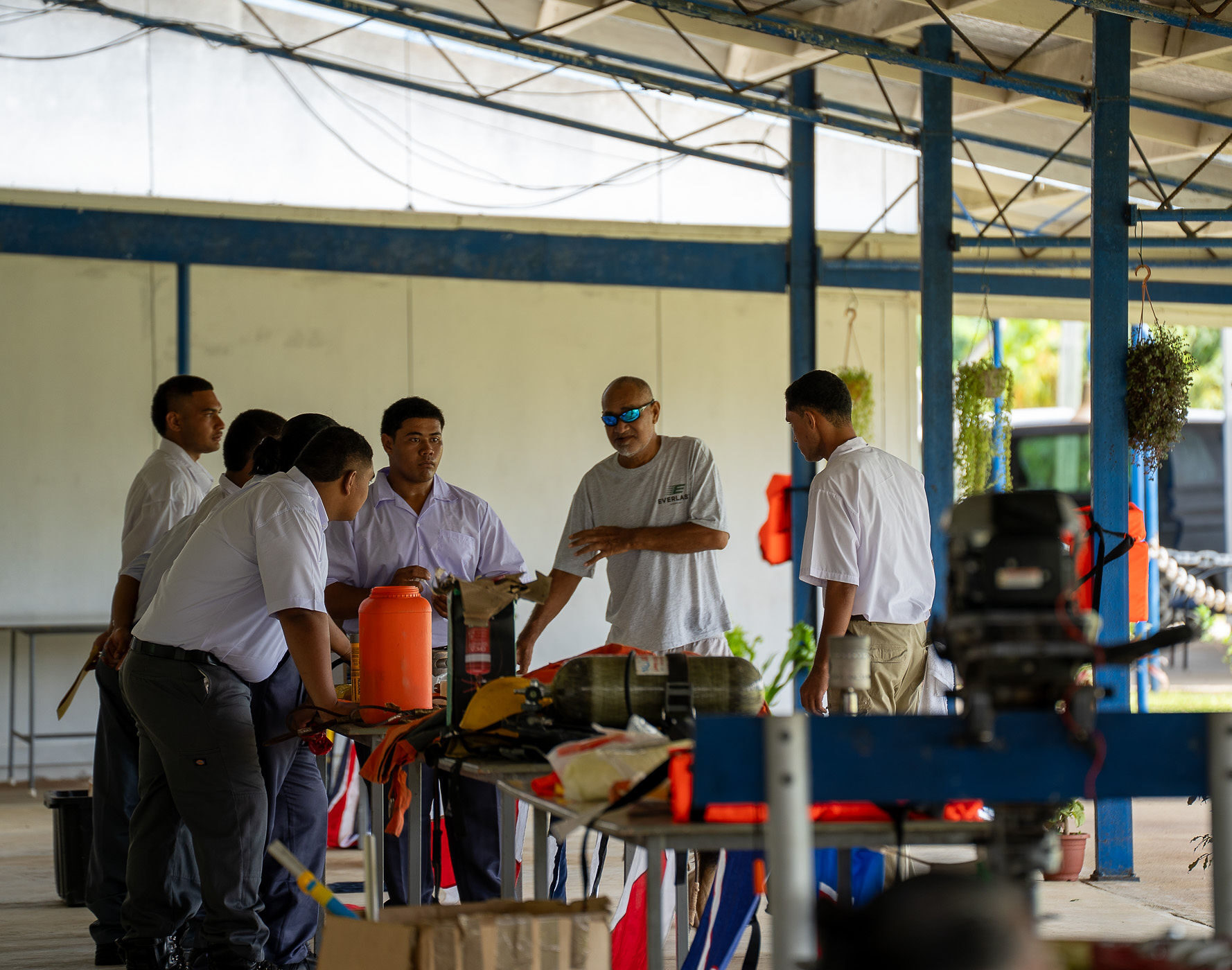
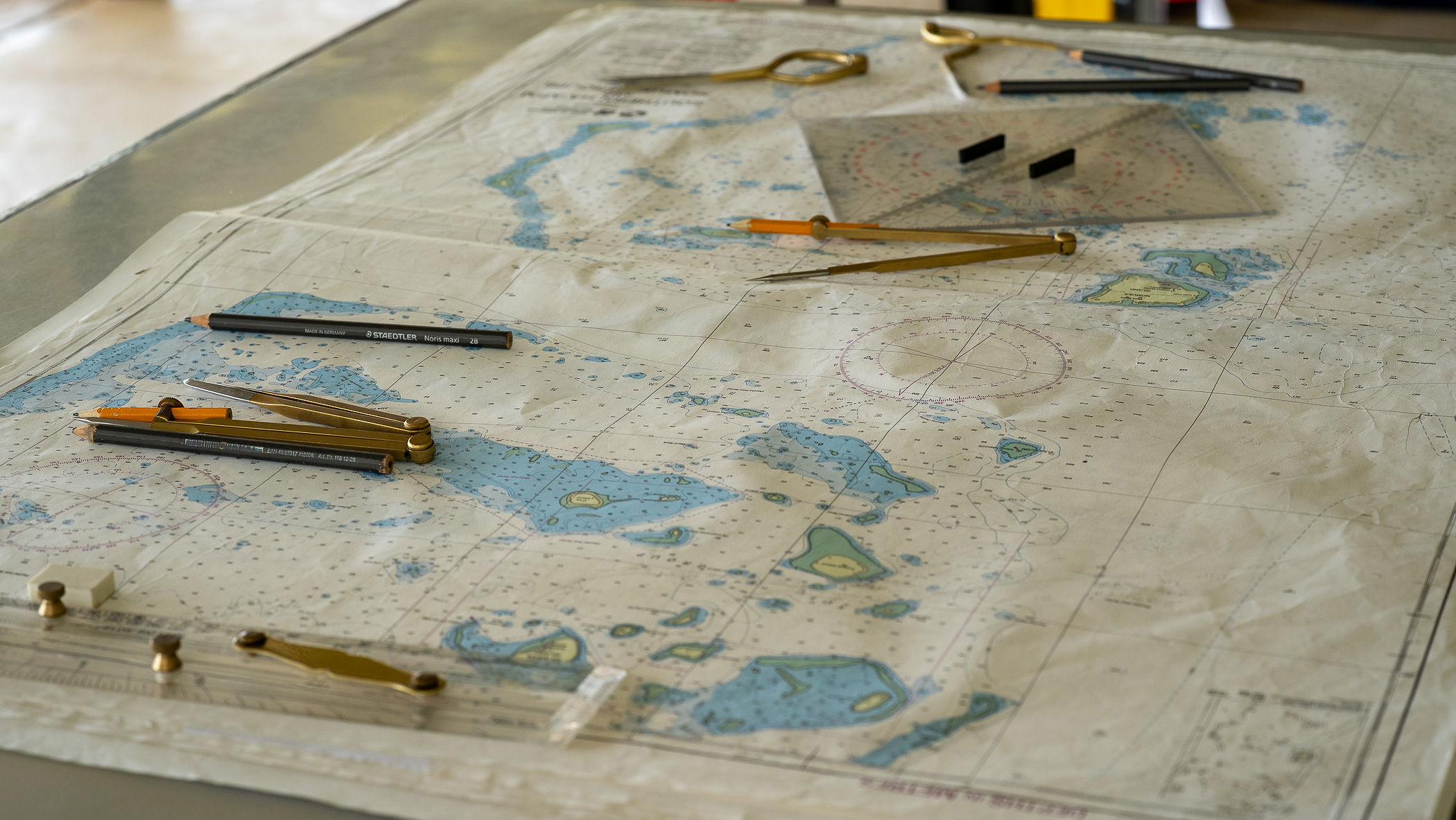
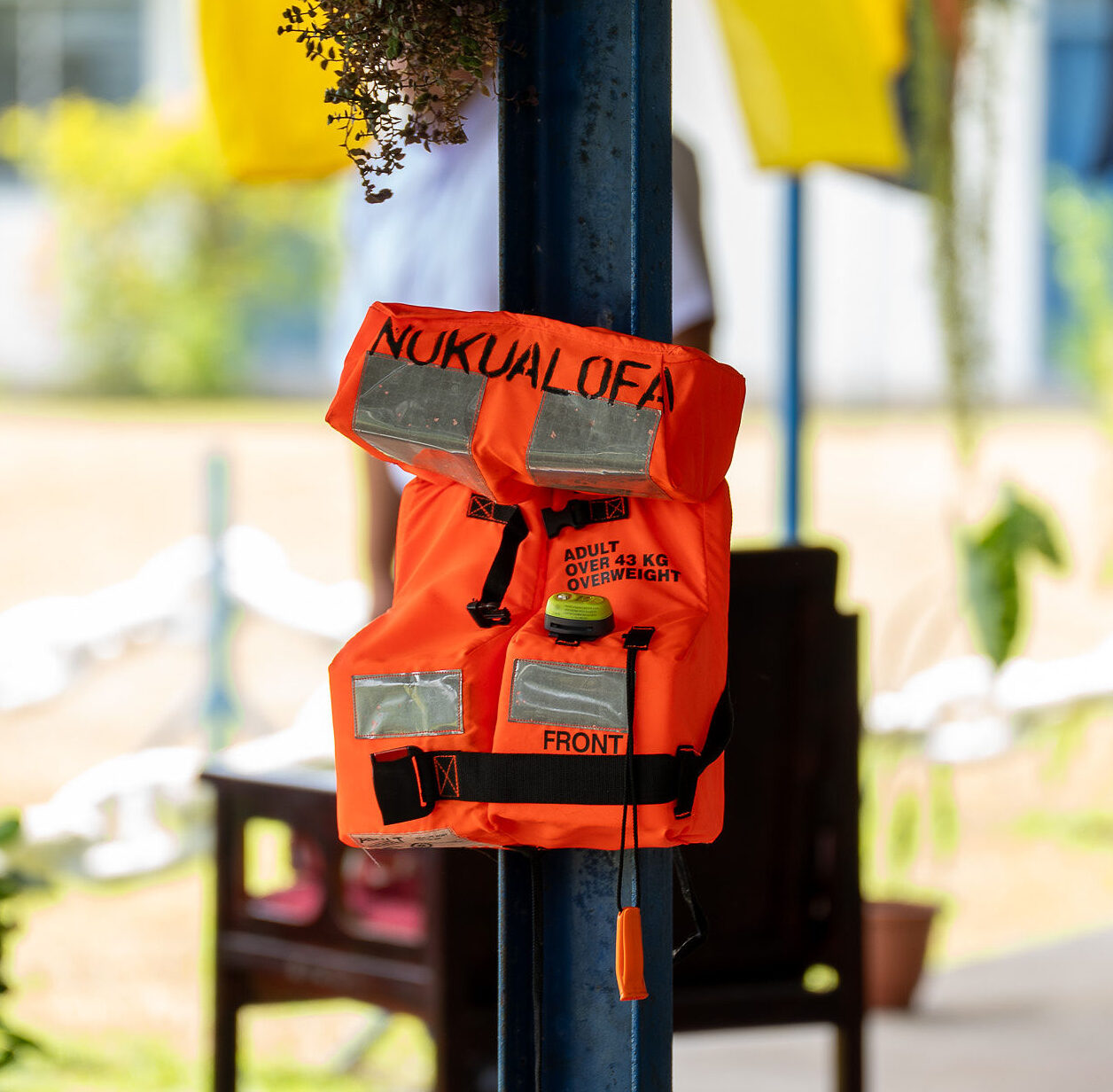
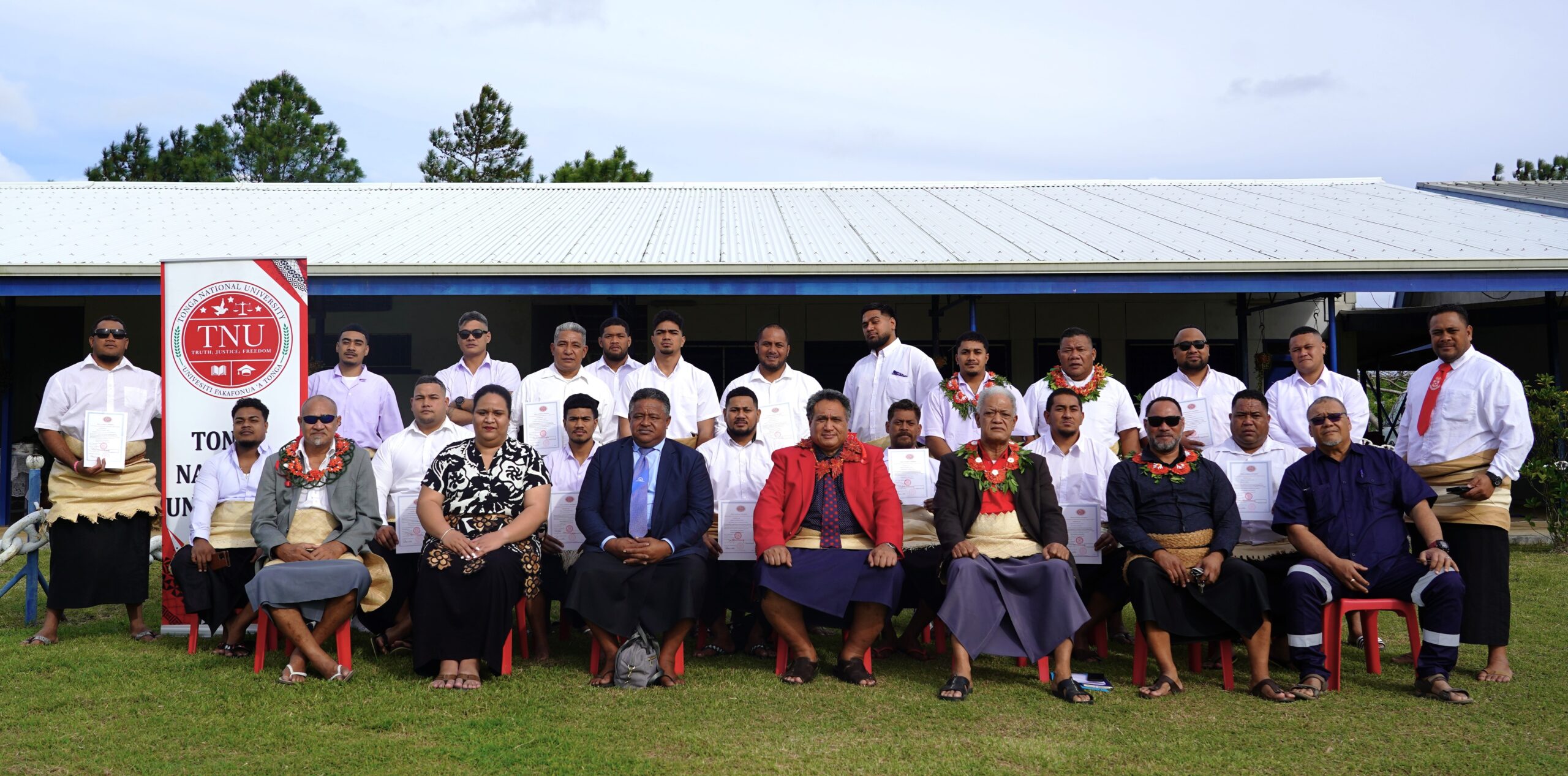
Fokololo ‘o e Hau Maritime School offers seven programmes. These programmes are designed to prepare trainees with the discipline, safety awareness, technical knowledge, and practical skills required for successful careers in the maritime industry.
Programmes Offered
Click each programme below to view the programme statement, course topics, and entry requirements.
1. General Practice Rating
Program Statement
This programme prepares young people for a career at sea aboard vessels trading either internationally or in Tongan waters. It is a fully residential training programme delivered in a disciplined environment, helping trainees develop strong self-discipline, which is an essential attribute for a successful maritime career. Trainees are introduced to the basic skills required by ratings working in deck, engine, and catering departments aboard ship, helping them understand shipboard life and routines and maximise employment opportunities.
Program Topics
The following topics are covered in this programme to support practical maritime knowledge, safety awareness, and professional seafaring skills.
| No. | Topic |
|---|---|
| A | Basic & Vocational English for Seafarers |
| B | Literacy, Numeracy and Communication |
| C | Health & Hygiene |
| D | Personal Survival Techniques |
| E | Fire Fighting Techniques |
| F | First Aid |
| G | Occupational Health & Safety |
| H | Shipboard Operations & Maintenance |
| I | Deck, Engine-room & Shipboard Catering Practices |
| J | Deck & Engine-room Watch-keeping Practices |
| K | Ship Security Familiarisation & Awareness |
| L | Tanker Familiarisation – oil, chemical and LPG |
| M | Crowd Management & Control |
Entry Requirements
- Minimum Age: 16 years.
- Medical Standard: Acceptable Seafarer’s Medical Certificate.
- Minimum Education: Satisfactory completion at Form 5 level with the ability to communicate well in both written and spoken English.
- Identification: Ability to obtain a Seafarer’s Identification and Service Record Book.
2. Able Seafarer Deck and Engine
Program Statement
This programme prepares young people for a career at sea aboard vessels trading either internationally or in Tongan waters. Training takes place in a disciplined environment so trainees can develop a strong sense of self-discipline, an essential attribute for graduates pursuing successful careers in the maritime industry.
Program Topics
The following topics are covered in this programme to support practical maritime knowledge, safety awareness, and professional seafaring skills.
| No. | Topic |
|---|---|
| A | Contribute to a safe navigational watch |
| B | Contribute to berthing, anchoring and other mooring operations |
| C | Contribute to the handling of cargo and stores |
| D | Contribute to the safe operation of deck equipment and machinery |
| E | Apply occupational health and safety precautions |
| F | Apply precautions and contribute to the prevention of pollution of the marine environment |
| G | Contribute to shipboard maintenance and repair |
| H | Personal Survival Techniques |
| I | Fire Fighting Techniques |
| J | First Aid |
| K | Occupational Health & Safety |
| L | Shipboard Operations & Maintenance |
| M | Ship Security Familiarization & Awareness |
| N | Watchkeeping Duties |
| O | Machinery Operation |
| P | Marine Diesel Engine |
| Q | Propulsion System |
| R | Steam Boiler and Turbine |
| S | Hydraulic and Steering Gear |
| T | Compressed Air System |
| U | Fuel Oil Transfer Operation |
| V | Pumping System |
Entry Requirements
- Minimum Age: 18 years.
- Sea Service: One year of sea service from General Practice Rating or Basic Safety.
- Medical Standard: Acceptable Seafarer’s Medical Certificate.
- Minimum Education: Satisfactory completion at Form 5 level with the ability to communicate well in both written and spoken English.
- Identification: Ability to obtain a Seafarer’s Identification and Service Record Book.
3. Master Class 4
Program Statement
This programme prepares young people for a career at sea aboard vessels trading internationally or in Tongan waters. Successful candidates may serve as Master or Chief Engineer on vessels less than 500 gross tonnage, and may also serve as officers on vessels of 500 gross tonnage or more. The programme runs for 23 weeks and is delivered in a disciplined environment. Candidates are introduced to the basic skills required for watchkeeping on the bridge deck and in the engine control room, helping them understand shipboard life and routines and maximise employment opportunities.
Program Topics
The following topics are covered in this programme to support practical maritime knowledge, safety awareness, and professional seafaring skills.
| No. | Topic |
|---|---|
| A | Instrumentation and Navigation Aids |
| B | Basic Radar |
| C | Vessel Construction and Machinery Revised |
| D | Nautical Knowledge |
| E | Visual Communication Revised |
| F | Personal Survival Techniques |
| G | Advanced Fire Fighting Techniques |
| H | Cargo Operation |
| I | Shipboard Operations & Maintenance |
| J | Navigation Aids |
| K | Navigation and Position Determination |
| L | Small Vessel Stability |
| M | Security Awareness |
Entry Requirements
- Minimum Age: 18 years.
- Sea Service: Must have one year of sea service from Master Class 5.
- Medical Standard: Acceptable Seafarer’s Medical Certificate.
- Minimum Education: Satisfactory completion of Master Class 5 with the ability to communicate well in both written and spoken English.
- Identification: Ability to obtain a Seafarer’s Identification and Service Record Book.
4. Master Class 5
Program Statement
This programme prepares young people for a career at sea aboard vessels trading internationally or in Tongan waters. Successful candidates may serve as Master or Chief Engineer on vessels less than 250 gross tonnage, and may also serve as officers on vessels of 250 gross tonnage or more. The programme runs for 20 weeks and training takes place in a disciplined environment. Trainees are introduced to the basic skills required by ratings working in deck, engine, and catering departments aboard ship to understand shipboard life and routines and maximise employment opportunities.
Program Topics
The following topics are covered in this programme to support practical maritime knowledge, safety awareness, and professional seafaring skills.
| No. | Topic |
|---|---|
| A | Basic Radar |
| B | Vessel Construction and Machinery |
| C | Nautical Knowledge |
| D | Personal Survival Techniques |
| E | Fire Fighting Techniques |
| F | First Aid |
| G | Occupational Health & Safety |
| H | Shipboard Operations & Maintenance |
| I | Navigation Aids |
| J | Navigation and Position Determination |
| K | Small Vessel Stability |
| L | Security Awareness |
Entry Requirements
- Minimum Age: 18 years.
- Sea Service: Must have one year of sea service from Able Seafarer.
- Medical Standard: Acceptable Seafarer’s Medical Certificate.
- Minimum Education: Satisfactory completion at Form 5 level with the ability to communicate well in both written and spoken English.
- Identification: Ability to obtain a Seafarer’s Identification and Service Record Book.
5. Master Class 6
Program Statement
This programme prepares young people for a career at sea aboard vessels trading either internationally or in Tongan waters. It is a fully residential programme delivered in a disciplined environment to help trainees develop strong self-discipline, an essential attribute for a successful maritime career. Trainees are introduced to basic skills required by ratings working in deck, engine, and catering departments aboard ship, supporting their understanding of shipboard life and routines and improving employment opportunities.
Program Topics
The following topics are covered in this programme to support practical maritime knowledge, safety awareness, and professional seafaring skills.
| No. | Topic |
|---|---|
| A | Basic & Vocational English for Seafarers |
| B | Literacy, Numeracy and Communication |
| C | Health & Hygiene |
| D | Personal Survival Techniques |
| E | Fire Fighting Techniques |
| F | First Aid |
| G | Occupational Health & Safety |
| H | Shipboard Operations & Maintenance |
| I | Deck, Engine-room & Shipboard Catering Practices |
| J | Deck & Engine-room Watch-keeping Practices |
| K | Ship Security Familiarisation & Awareness |
| L | Tanker Familiarisation – oil, chemical and LPG |
| M | Crowd Management & Control |
Entry Requirements
- Minimum Age: 16 years.
- Medical Standard: Acceptable Seafarer’s Medical Certificate.
- Minimum Education: Satisfactory completion at Form 5 level with the ability to communicate well in both written and spoken English.
- Identification: Ability to obtain a Seafarer’s Identification and Service Record Book.
6. Dangerous Cargo
Program Statement
This programme prepares students for emergencies that may arise while at sea, including fire and survival situations. Trainees are introduced to the basic skills required by SOLAS while working onboard vessels.
Program Topics
The following topics are covered in this programme to support practical maritime knowledge, safety awareness, and professional seafaring skills.
| No. | Topic |
|---|---|
| A | International and local regulations governing the carriage of dangerous, hazardous, and harmful cargoes are outlined. |
| B | Documentation and procedures required to load and unload dangerous cargoes are described. |
| C | Classification of dangerous goods in accordance with the IMDG Code is explained. |
| D | Ability to identify the hazards associated with a particular cargo with reference to its markings/labels is demonstrated. |
| E | Ability to plan the stowage of dangerous goods, including segregation requirements, in accordance with the IMDG Code and National Regulations is demonstrated. |
| F | Ability to extract and interpret information from EmS and MFAG is demonstrated. |
Entry Requirements
- Minimum Age: 18 years.
- Certificate Requirement: Valid Basic Safety of Life at Sea Certificate.
- Medical Standard: Acceptable Seafarer’s Medical Certificate.
- Minimum Education: Satisfactory completion at Form 5 level with the ability to communicate well in both written and spoken English.
- Identification: Ability to obtain a Seafarer’s Identification and Service Record Book.
7. Basic Safety of Life at Sea
Program Statement
This programme prepares young people for a career at sea aboard vessels trading either internationally or in Tongan waters. It also prepares students for emergencies that may arise while at sea, including fire and survival situations. Trainees are introduced to the basic skills required by SOLAS while working onboard vessels.
Program Topics
The following topics are covered in this programme to support practical maritime knowledge, safety awareness, and professional seafaring skills.
| No. | Topic |
|---|---|
| A | Personal Survival Techniques |
| B | Fire Fighting Techniques |
| C | First Aid |
| D | Occupational Health & Safety |
Entry Requirements
- Minimum Age: 16 years.
- Medical Standard: Acceptable Seafarer’s Medical Certificate.
- Minimum Education: Satisfactory completion at Form 5 level with the ability to communicate well in both written and spoken English.
- Identification: Ability to obtain a Seafarer’s Identification and Service Record Book.
Prepare for a Career at Sea
Explore the maritime programmes offered by Fokololo ‘o e Hau Maritime School and build the discipline, safety knowledge, and practical skills required for the maritime industry.