FACULTY OF BUSINESS & PUBLIC ADMINISTRATION
School of Tourism and Hospitality
The School of Tourism and Hospitality provides education and training in tourism, hospitality, customer service, front office management, tour guidng, business, and information technology to support Tonga's service and tourism industries.
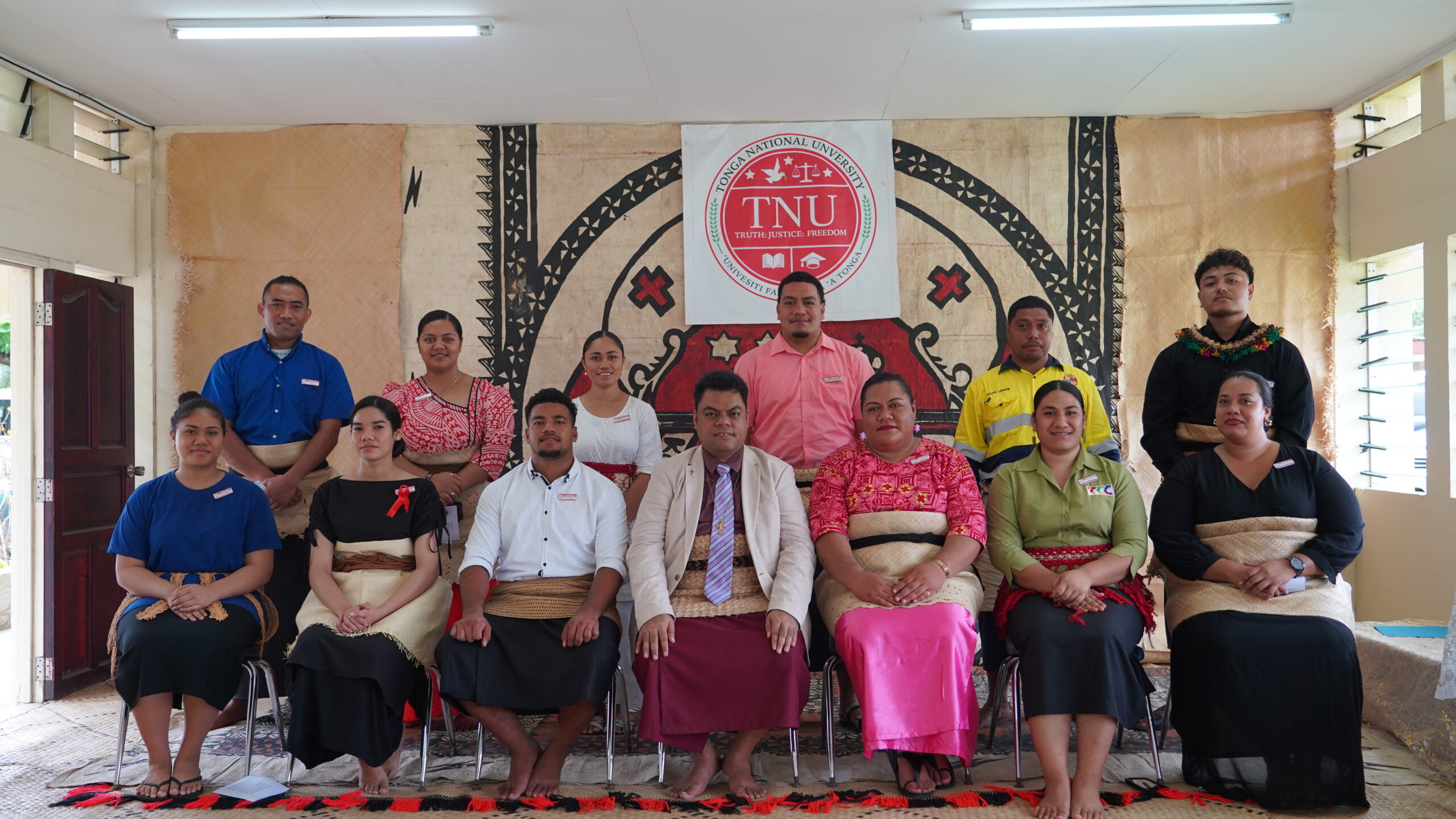
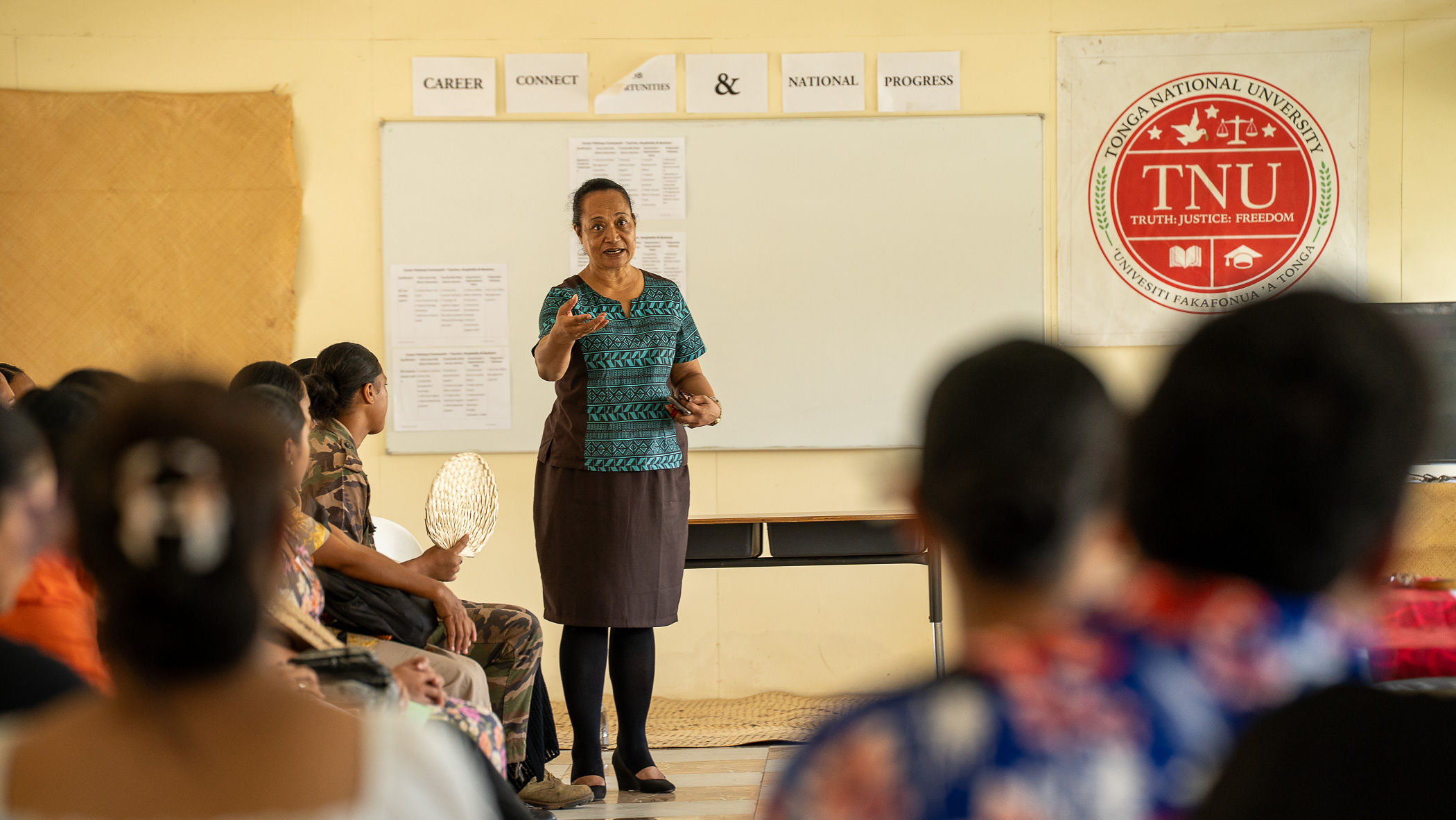
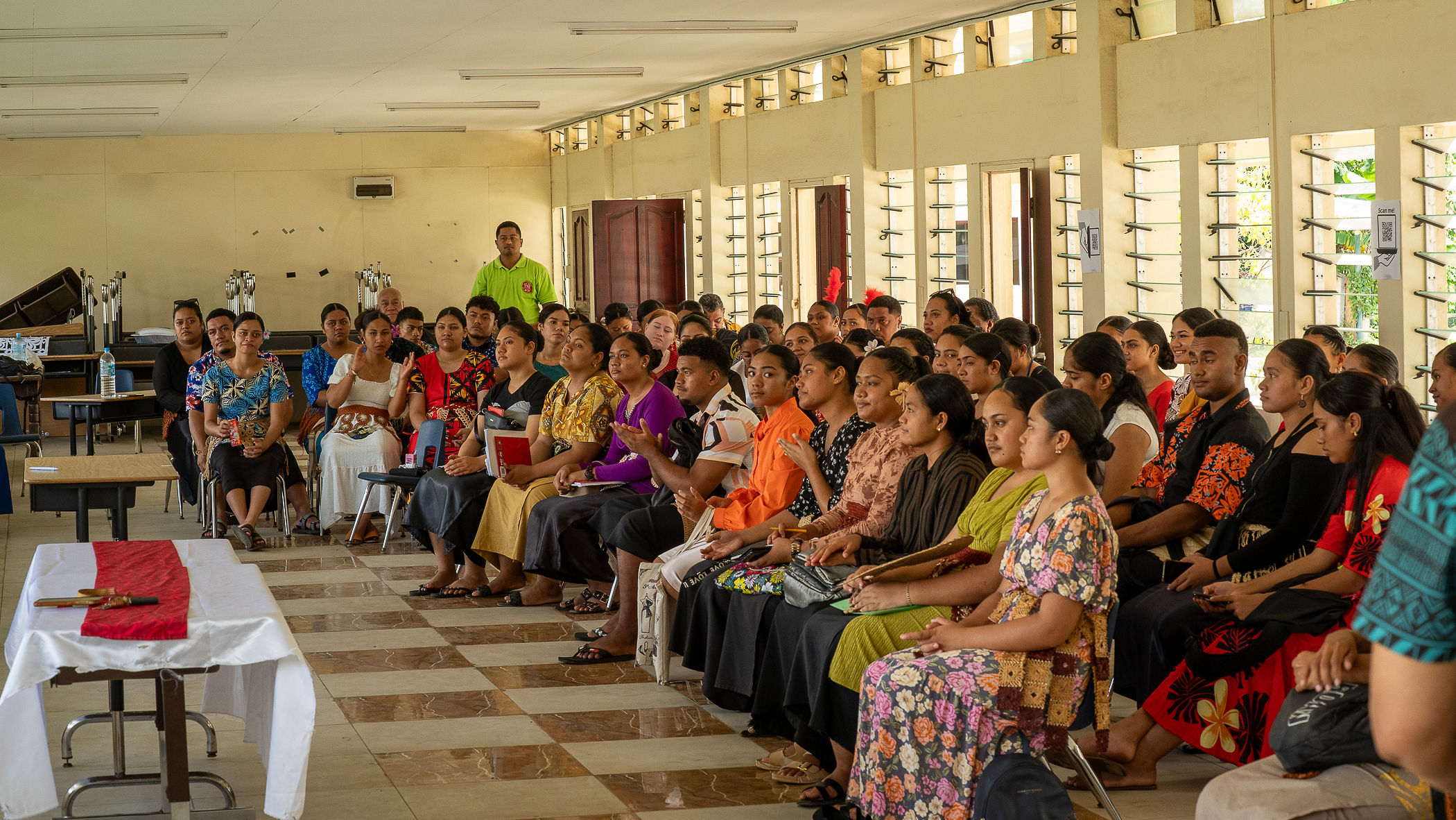
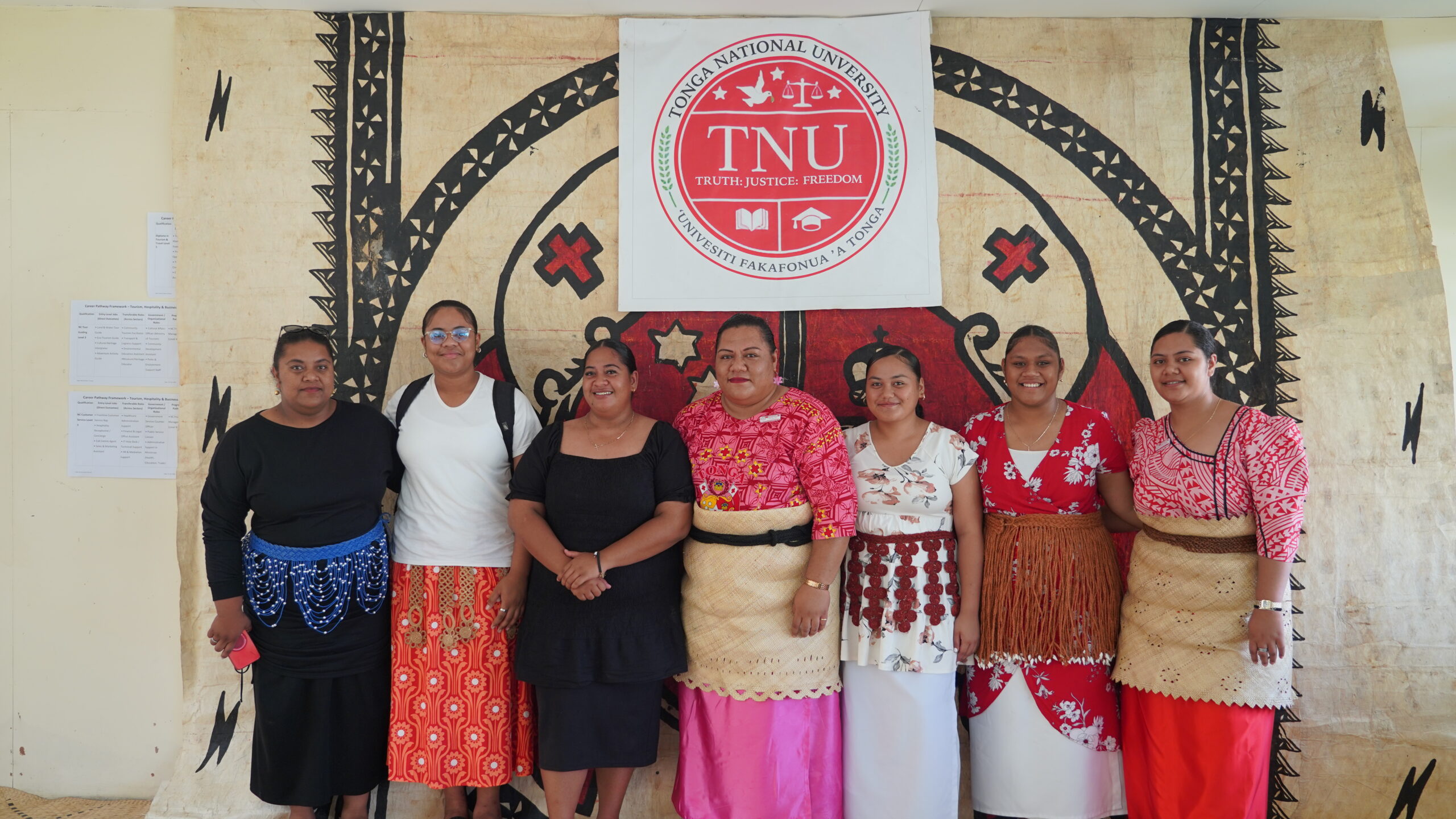
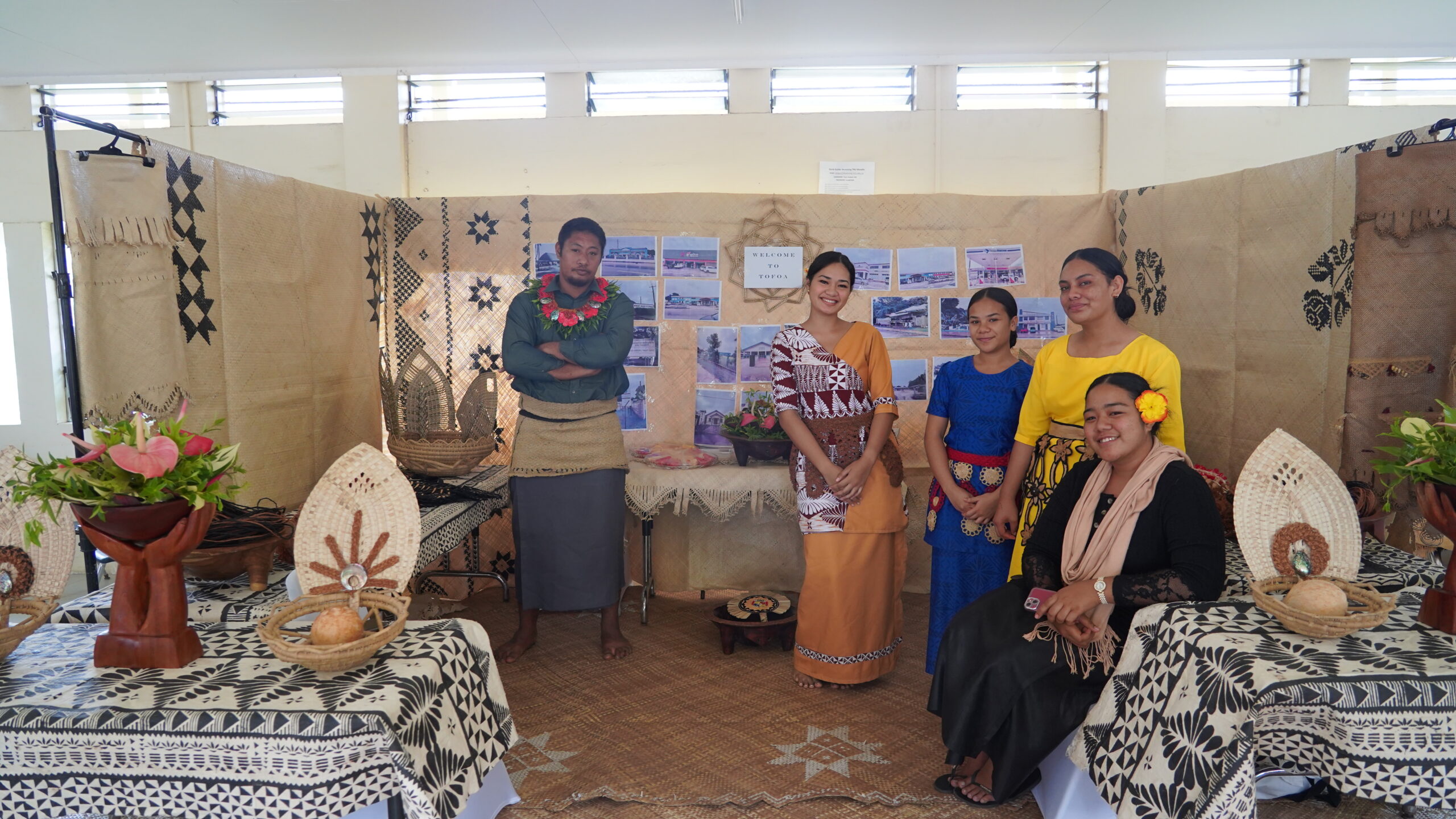
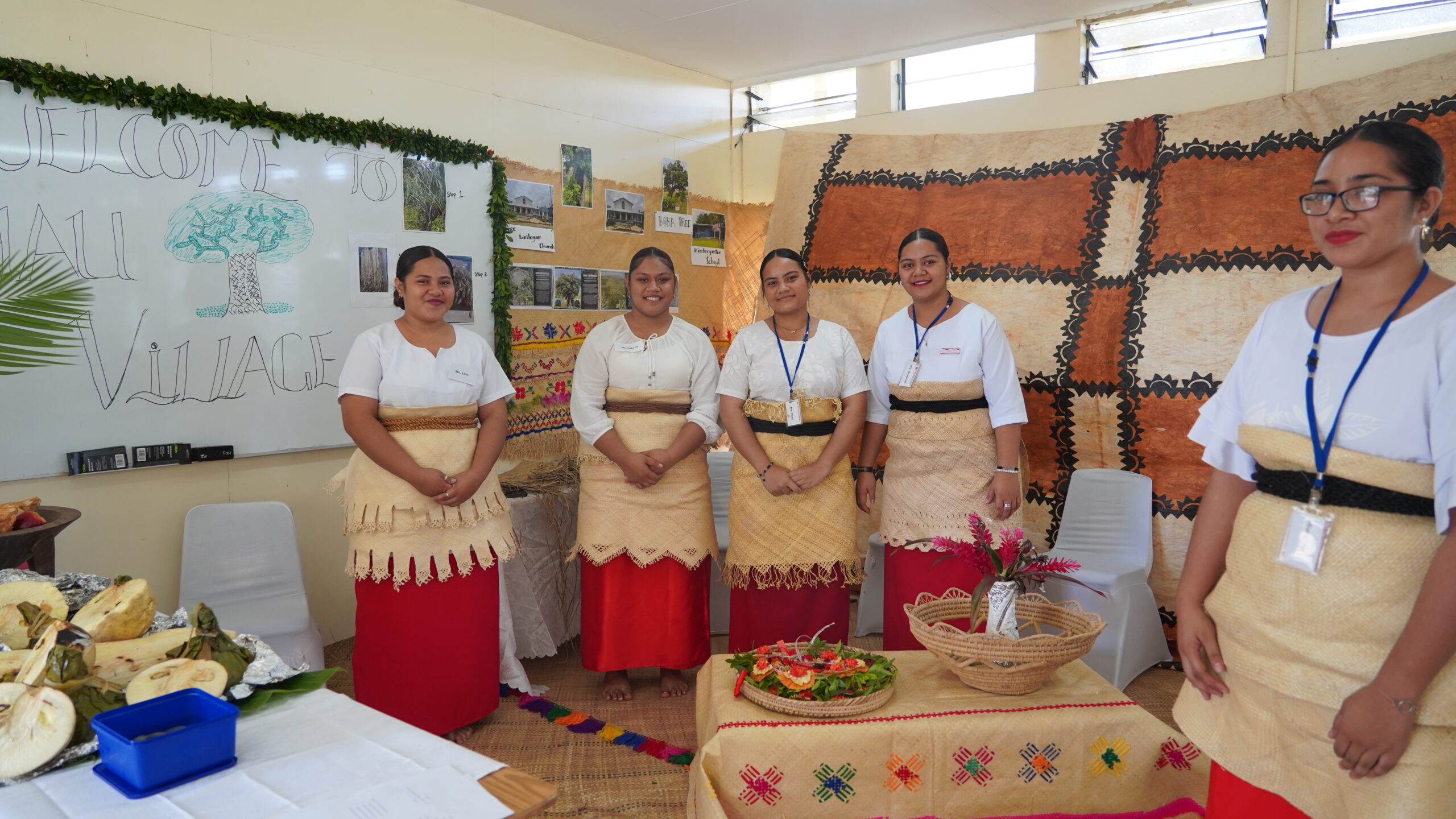
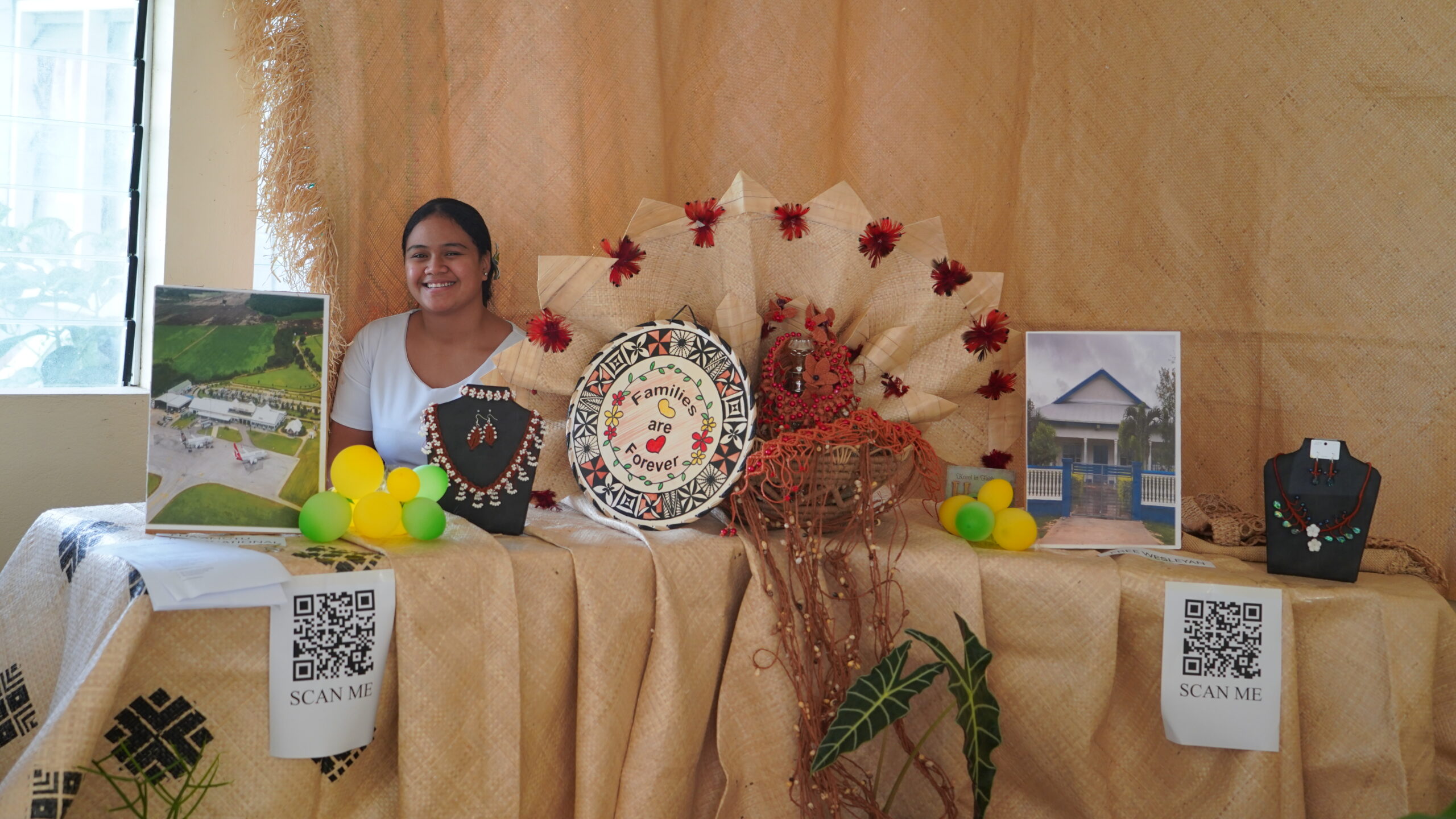
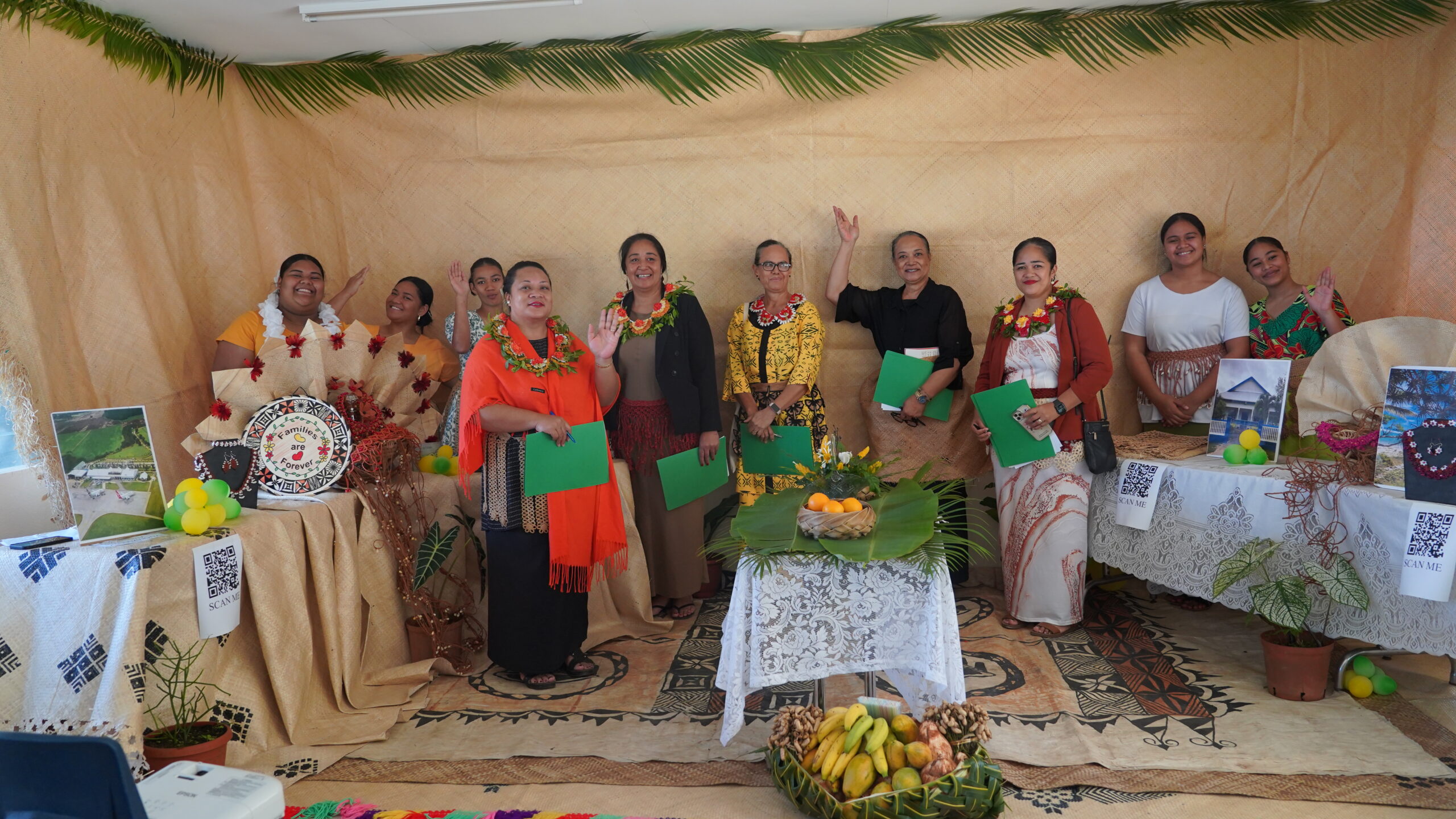
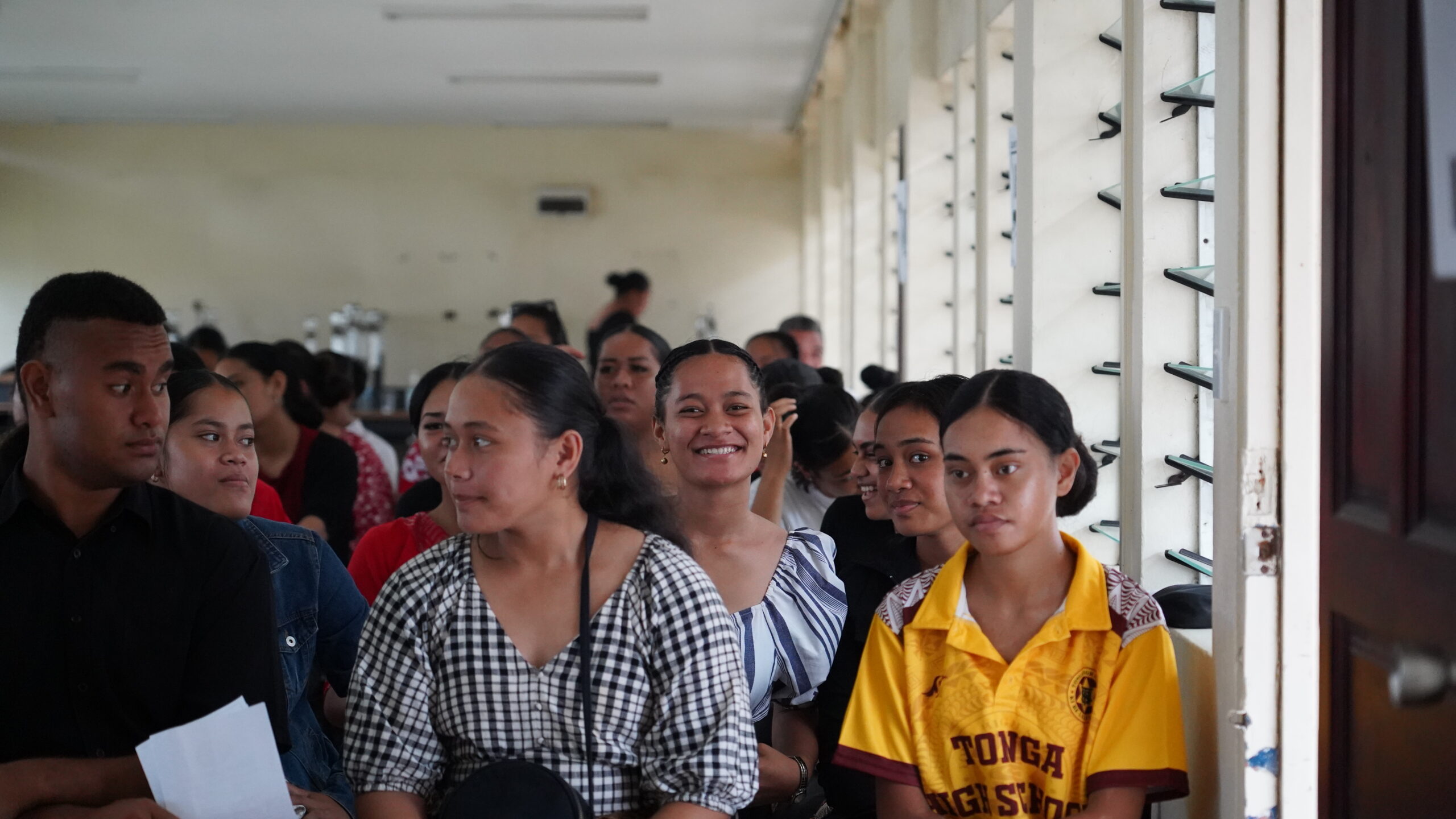
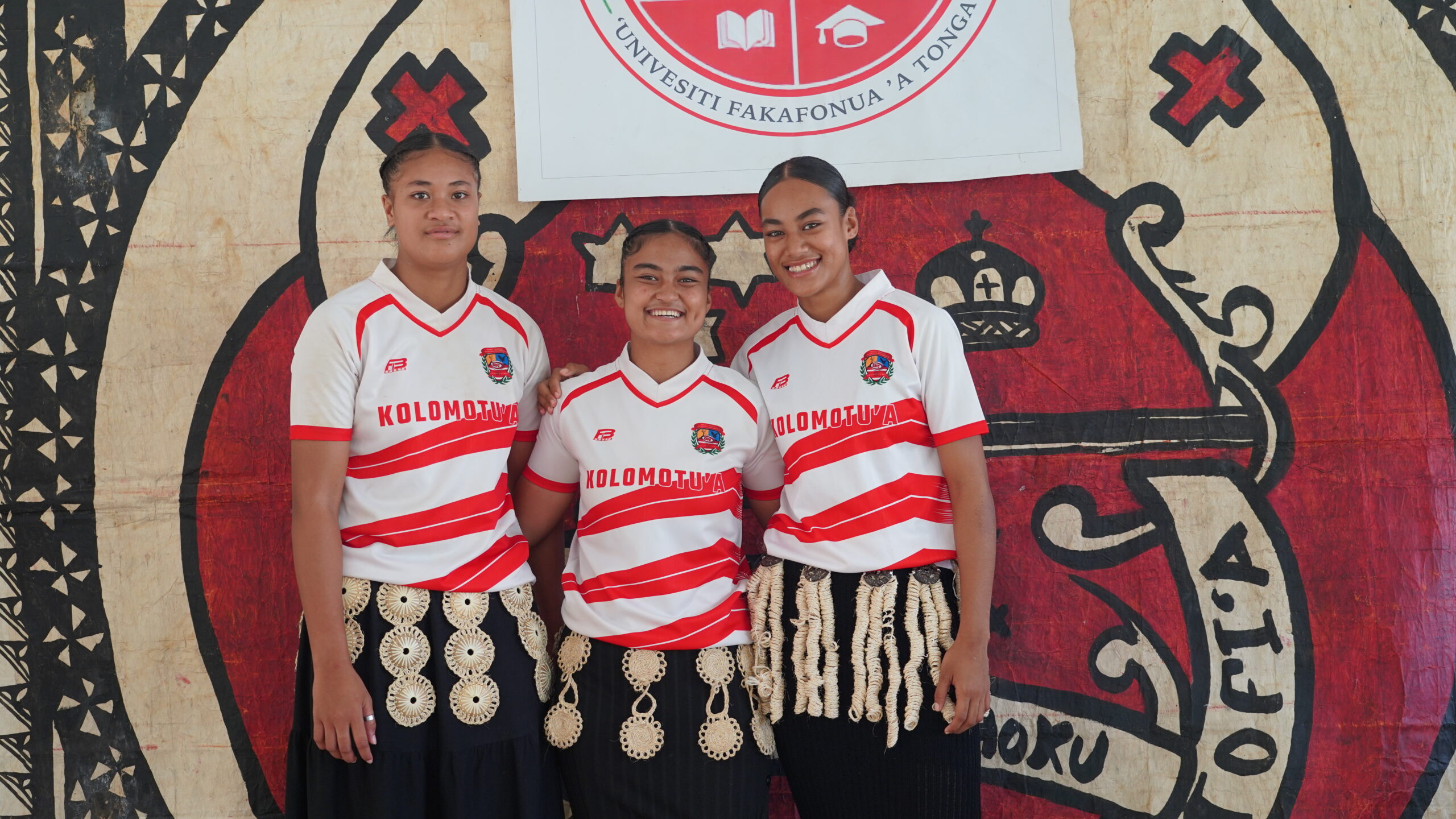
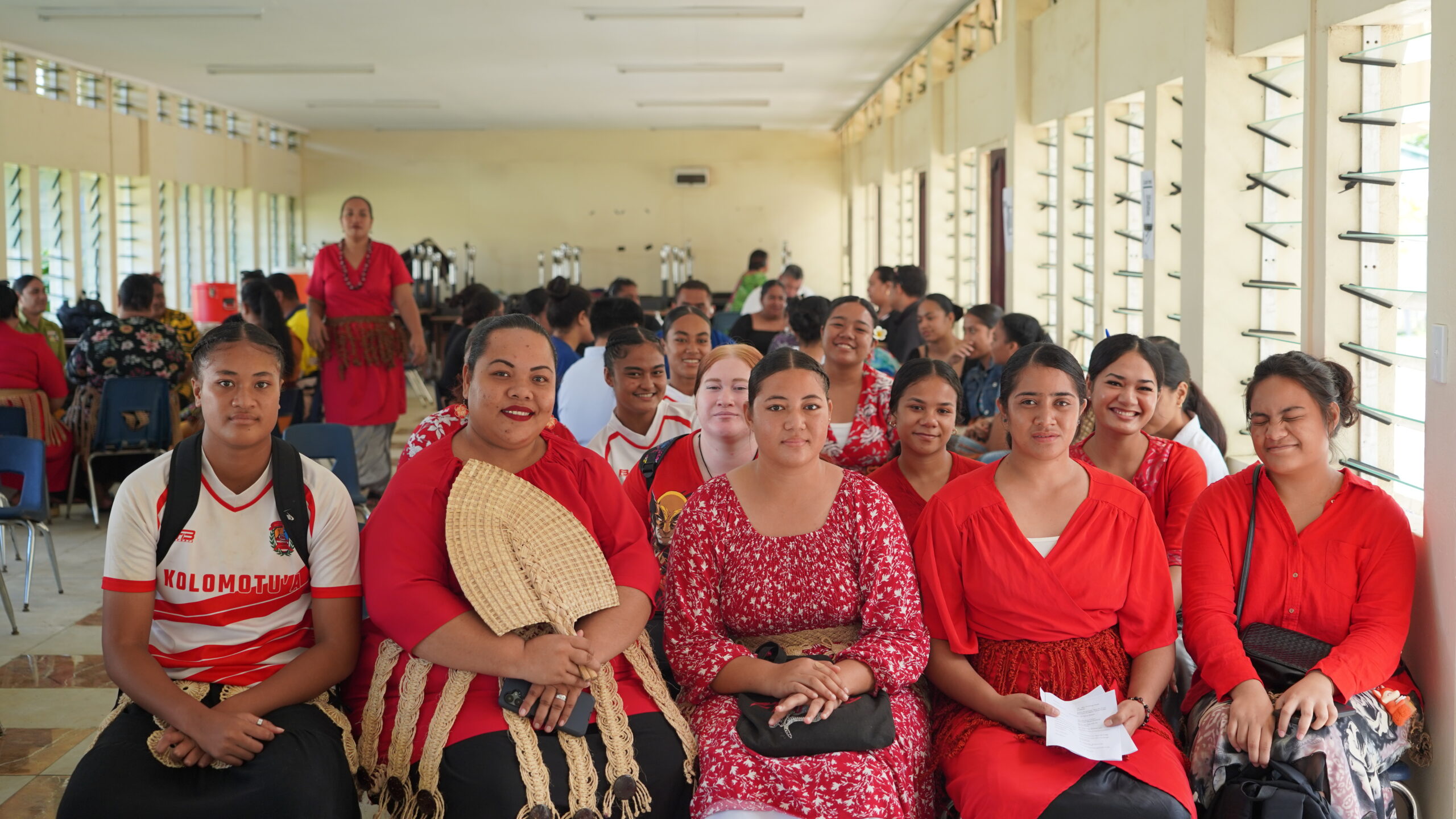
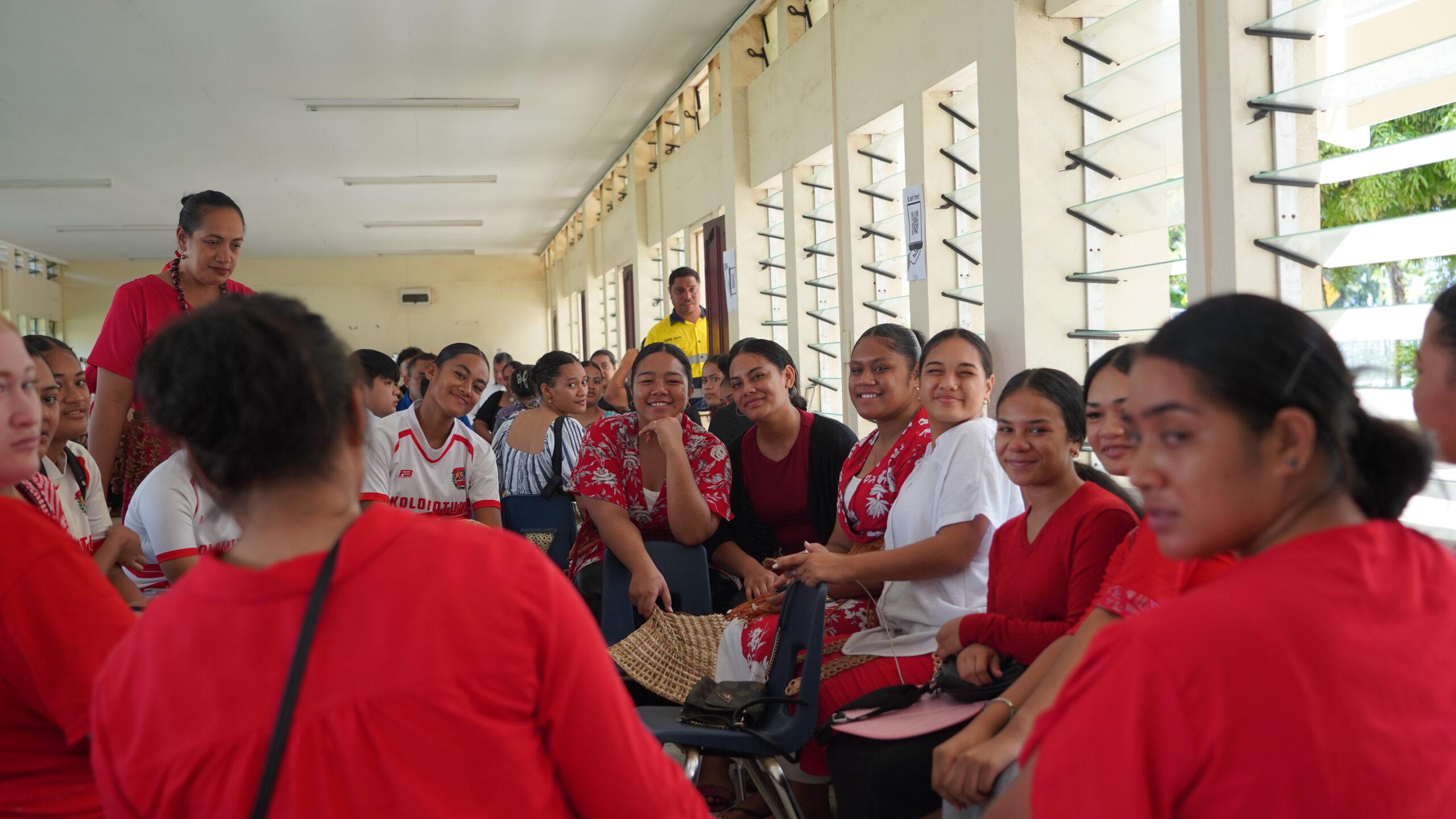
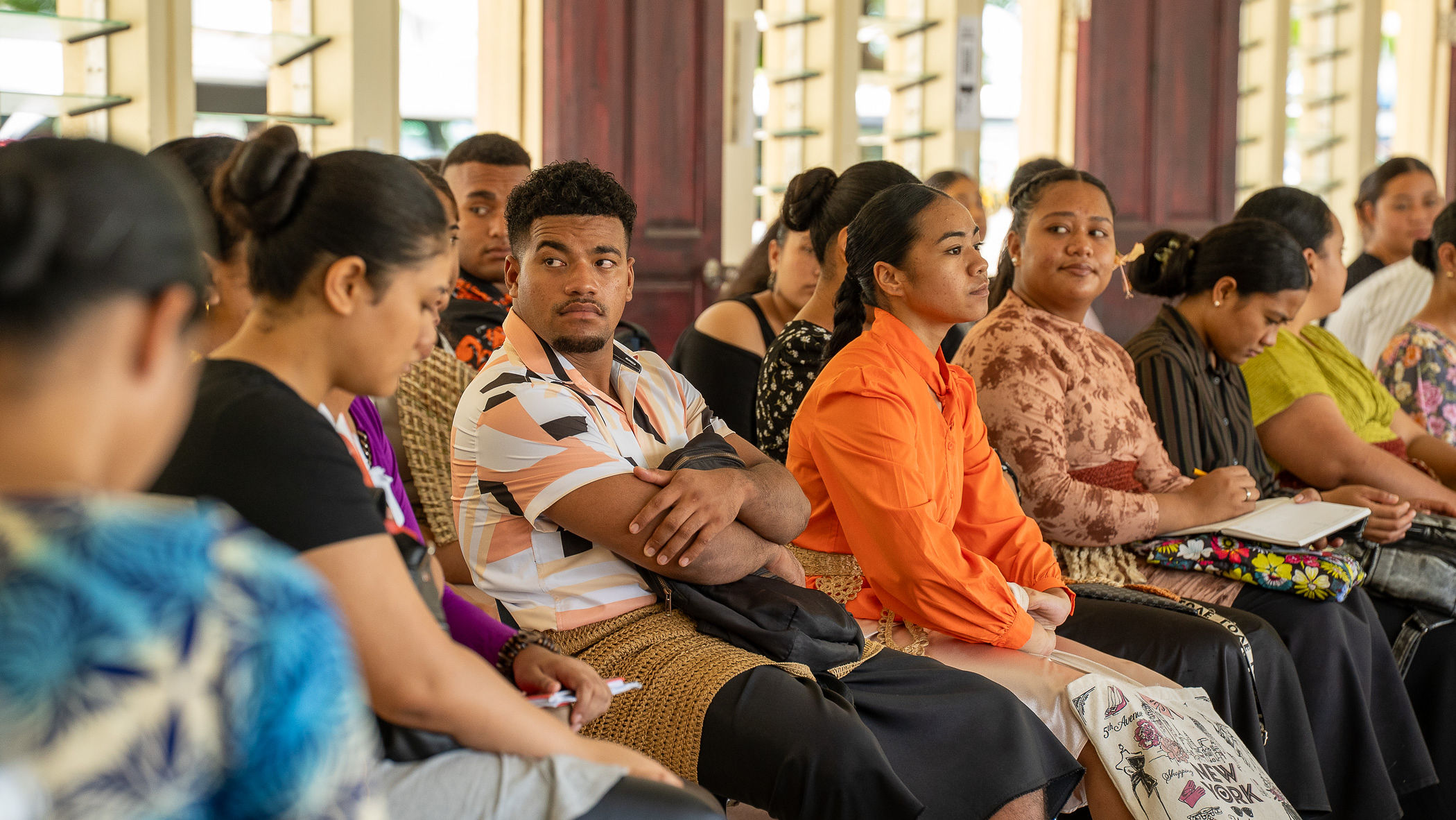
The School of Tourism and Hospitality offers nine programmes: four Diplomas, two Certificates, and three TNQAB National Certificates. The programme statements provide an indication of the contents, focus, and learning expectations of each programme..
Programmes Offered
Click each programme below to view the programme statement, course structure, and entry requirements.
1. National Certificate in Customer Service Level 3
Programme Statement:
This qualification is designed for anyone who works in customer service — whether as a guest relations officer, receptionist, customer service representative, or manager. It equips you with the skills to deliver excellent service and create memorable experiences for customers.
Why Customer Service Matters
Customer service is at the heart of tourism and hospitality. A recent study in Tonga showed that service quality is one of the biggest gaps in our industry. The success of our businesses and destinations depends on how well we serve people. By improving customer satisfaction, we also contribute to Tonga’s vision of “a more progressive nation supporting a higher quality of life for all.”
| Semester | Code | Course Name | Course Description |
|---|---|---|---|
| Semester 1 | CS031 | Demonstrate Acceptable Interpersonal Communication Skills (Tongan and English) | This unit standard is for people entering, or employed in, the service sector who wish to build their customer service skills. People credited with this unit standard are able to: descript customer service in both English and Tongan; provide customer service and respond to a customer complaint |
| LK032 | Demonstrate Knowledge of Tonga as a Tourist Destination | Individuals who are credited with this unit are able to describe Tonga as a tourist destination and identify and describe Tongan man-made and natural tourism attractions and products. | |
| CS033 | Produce and Evaluate Visitor Statistics in Tourism and Hospitality | Individuals who are credited with this unit are able to produce and evaluate a wide range of statistically based tourism and hospitality reports and apply knowledge to maximize hospitality sales and service opportunities. | |
| CS034 | Demonstrate Knowledge of the Process of Electronic Reservations | Individuals who are credited with this unit of competency are able to apply and use computerised reservation systems in the travel and tourism industry. | |
| HS037 | Implement Health and Safety in Tourism and Hospitality | People credited with this unit standard are able to: 1) identify the duty of care of tourism and hospitality business operators in relation to health and safety; 2) demonstrate knowledge of critical incident management; 3) carry out health and safety roles and responsibilities in a tourism and hospitality workplace; and 4) select safe routes for tourism and hospitality clients. |
Entry Requirements: Applicants must meet all the following criteria:
- Age: Applicants must be 16 years of age or older.
- English communication skills: Successful completion of Year 11 English, or a minimum IELTS score of 4.5 or an equivalent qualification.
- Previous experience or education: Successful completion of Year 11 compulsory education, or at least three years of relevant work experience in travel, tourism, or hospitality.
- Knowledge of Tongan culture: Successful completion of Year 11 Tongan Studies, or relevant cultural knowledge or experience that clearly demonstrates adequate competence in Tongan society, as approved by the relevant authority, such as the Course Coordinator, Registrar, or Head of School.
2. National Certificate in Tour Guiding – Level 3
Programme Statement:
This qualification is designed for people who are, or want to become, tour guides for land and water activities. It prepares you to lead guided tours and share the unique stories of Tonga’s culture, heritage, and environment. By doing so, you will enhance visitor experiences and support the sustainability of tourism businesses.
| Semester | Code | Course Name | Course Description: |
|---|---|---|---|
| Semester 1 | LK032 | Demonstrate knowledge of Tonga as a tourist destination. | People credited with this unit standard are able to: 1. review a prepared interpretation plan (itinerary) in preparation for a tour; 2. plan the delivery of guided interpretation during a tour; 3. prepare visitors for a tour; 4. deliver guided interpretation during a tour; 5. manage a tour in a professional manner; 6. facilitate visitors’ use of an attraction, service, and/or facility on a tour; 7. conclude a tour; 8. gather feedback from interpretive activities and use such feedback to review and improve interpretation plan. |
| TG035 | Plan and deliver a guided interpretation | Persons who are credited with this unit are able to prepare for a guided interpretation applying knowledge of cultural, factual characteristics and attributes relevant to visitors. | |
| TG036 | Apply knowledge of Tonga culture and heritage | Individuals who are credited with this unit are able to: describe Tonga as a tourist destination and identify and describe Tongan man-made and natural tourism attractions and products. | |
| HS037 | Implement workplace health and safety skills and knowledge in tourism and hospitality. | People credited with this unit standard are able to: 1) identify the duty of care of tourism and hospitality business operators in relation to health and safety; 2) demonstrate knowledge of critical incident management; 3) carry out health and safety roles and responsibilities in a tourism and hospitality workplace; and 4) select safe routes for tourism and hospitality clients. |
Entry Requirements: Applicants must meet all of the following criteria:
- Age: Applicants must be 16 years of age or older.
- English communication skills: A passing grade in Year 11 English, or a minimum IELTS score of 4.5 or an equivalent qualification.
- Relevant qualification or experience: Completion of a TNQAB-accredited Level 2 qualification in a field relevant to tour guiding, or at least three years of relevant work experience in travel, tourism, or hospitality.
3. National Certificate in Front Office Management Level 4
Program Statement:
This qualification is designed for people who are, or want to become, front office executives, officers, receptionists, or managers. It prepares you to supervise front office services, lead teams, and ensure customers receive excellent service across tourism, hospitality, and other service industries.
Why Front Office Management Matters
The front office is the first point of contact for customers — it sets the tone for their entire experience. Effective management at the front office is essential for customer satisfaction and business success. In Tonga, this qualification supports our national vision of “a more progressive Tonga supporting a higher quality of life for all” by strengthening service quality across tourism, hospitality, public services, education, health, social work, media, and communication.
| Semester | Code | Course Name | Course Description |
|---|---|---|---|
| Semester 2 | HS041 | Manage workplace security and health and safety | This unit standard contains a set of competencies for people who hold supervisory or managerial roles in the front office of an organization. At the end of this unit, students will be able to: 1) Manage and oversee the security and health and safety of the front office (property, workers, and customers). 2) Carry out risk assessment implement risk management in the front office. |
| FO042 | Manage front office operations | This unit standard is for people in a supervisory or junior management role in the front office of an organization. People who are credited with this unit are able to: 1. Plan and oversee the services in a front office operation in any organization, commercial or otherwise. 2. Supervise and maintain front office operations 3. Maintain a culture of customer-oriented front office | |
| YM043 | Demonstrate knowledge in yield management | People who are credited with this unit are able to: 1. Demonstrate sufficient understanding of pricing strategies 2. Apply the concept of yield to the context of the Tonga organization; 3. Apply yield management to maximize revenue. | |
| ME044 | Monitor and maintain interactions | This unit standard contains a set of competencies for people working in a service delivery role. At the end of this unit, students will be able to: 1. monitor and maintain interactions to ensure service delivery outcomes are met. 2. resolve conflicts in the front office |
Entry Requirements: Applicants must meet all of the following criteria:
- Successful completion of the National Certificate in Customer Service Level 3 or an equivalent qualification; or a pass with Grade 3 or better in Tourism at Tonga National Form Seven Certificate level; or at least three years of relevant work experience in a front office supervisory or management role within travel, tourism, or hospitality.
- A pass in both Form 5 English and Tongan Studies, or an equivalent qualification.
- Applicants must be 18 years of age or older.
4.Diploma in Business/ Diploma in Tourism and Travel**/ Diploma in Hospitality Operations++
Programme Statement: Every candidate’s programme of study for the Level 5 Diploma shall comprise seven units, including four compulsory units.
Entry Requirements: Applicants may enter through the approved secondary-school qualifications, successful completion of relevant Tourism and Hospitality studies, relevant work experience, or approved cross-crediting from USP or a similar institution. Entry level will depend on the applicant’s qualifications, experience, and assessment results.
| Program Name | Semester | Code | Course Name and Description |
|---|---|---|---|
| Diploma in Business/ Diploma in Tourism and Travel**/ Diploma in Hospitality Operations++ | Semester 1 | BUSS501 Culture and business | The course introduces historical and cultural perspectives on business in Tonga but not limited to the Pacific Islands including the Tongan four pillars of guiding principles, and the ongoing obligations for businesses; eg. ‘Otua mo Tonga ko Hoku Tofi’a. The course will cover historical and contemporary developments in the Tonga economy and enterprises. Students will also learn about how multiculturalism shapes organisations and society in the Pacific Islands. |
| BUSS502 Professional skills | Transferable skills are helpful in a variety of business settings and can increase employability. This course aims to develop students’ transferable skills essential to contribute effectively in a business setting. | ||
| MKTG503 Fundamentals of Marketing | This course aims to provide a foundational understanding of the function and role of contemporary marketing by introducing core marketing concepts, practices and processes employed to create value for customers. | ||
| ACCT504 Accounting System and Processes | The course introduces the fundamentals of accounting. Students will learn how to record, prepare, analyse and interpret financial information. They will also be able to explain financial information to internal and external stakeholders to use for different purposes. | ||
| ECON505 Principles of Economics | Economics is the study of people's choices as they allocate and use scarce resources. The course explores the behaviour of individuals, organisations, markets and government in society. Students will learn how to apply economic principles to a range of real-life situations | ||
| MATH506 Essentials of Mathematics and Statistics | The aim of the course is to equip students with mathematical knowledge and skills relevant to their interests (Business studies) and provide a foundation for modules in subsequent years of study. This course contains two components: a common field and a specific field related to Business studies. | ||
| Semester 2 | COMP507 Fundamentals of Information System and Technology | The course aims to enable learners to gain basic understanding of information systems concepts and underlying technologies in a business context. Learners will be able to apply these concepts and technologies to evaluate various information systems to support and enhance the organisational activities and information assets. | |
| MGMT508 Introduction to Management Dynamics | The course introduces the dynamic nature of management in diverse environments. By the end of the course, students will understand management's principles, practices, and challenges and how these are applied in organisations in Tonga and worldwide. | ||
| TOUR509 Managing the Visitor Experiences | The course aims to give students an understanding of the importance of a quality visitor/customer experience. Students will understand that excellent travel experiences are only possible if the organisation has a clear idea of what it wishes to deliver, how it will plan the delivery, who will deliver it. This course therefore considers customer orientation, planning, recruiting and the importance of training the right staff. It also addresses designing the environment to deliver the service, and listening very carefully to staff and to the customer to resolve issues or learn about opportunities for further improvements or new developments. | ||
| TOUR510 Principles of Tourism | The course aims to introduce and provide the student with the fundamentals and basic processes within the international tourism operating environment including its meaning, development, components and dynamics. This will enable the student to develop an understanding of tourism consumer behaviour including trends and behaviour, tourism activities, the impacts of tourism and the processes required to deliver a high quality visitor experience. Overall it will assist students in the tourism industry through enhancing their decision making skills, contributing to successful and effective tourism business outcomes. | ||
| TOUR511 Tourism in Pacific Island States | This course explores the introduction of tourism and its development role in the Pacific tourism operating environment. The course aims to help students develop an understanding of tourism issues, focusing on the political, economic, socio-cultural and ecological impacts. A number of Pacific Island case studies are employed to assist students in evaluating how to deliver a high-quality visitor experience. The course also aims to provide students with an in-depth knowledge of climate change challenges for Pacific Islands and critique its impact on tourism businesses and systems in the region. | ||
| TOUR512 Tourism and Hospitality Business Information System | The aim of this course is to enable students to understand the management practices of a front office and its interrelationship with other departments in an accommodation establishment. | ||
| HOSP513 Food Production Operations | The aim of this course is to provide students with an introductory knowledge of food production operations in New Zealand and the Pacific region. The course introduces the processes and practices involved in the preparation and production of food in a commercial operation. Students will be taught basic culinary skills and a variety of cooking methods for starters, main courses and desserts. The course introduces food safety, safe working practices and personal food hygiene, with an emphasis on menu planning, food costing and budgeting for a variety of food production operations | ||
| HOSP514 Food and Beverage Service Operations | The aim of this course is to provide students with the knowledge and skills required to serve food and beverages within commercial operations. It focuses on understanding components of the meal experience, and in particular the food and beverage menu, customer service and the expectations of different customers. Learners will develop an understanding of the styles of food served in different types of food and beverage operations and develop skills to design and produce menus. The practical component of the course will develop skills for customer service, serving food and beverages in different types of establishments, and develop knowledge of preparing and serving a range of beverages. |
5. Advanced Diploma in Business (Level 6 - Stage 2)
| Programe Name | Semester | Code | Course Name Description |
|---|---|---|---|
| Advanced Diploma in Business (Level 6 - Stage 2) | Semester 1 | BUSS601 Organisational Decision-Making Skills | The course aims to provide experiential learning by exposing students to the business community and provide an opportunity to build their networks. Students will interact, in-person or online, with an organisation to explore and analyse practices, processes, and procedures to identify areas for organisational improvement. They will be introduced to methods and tools used in organisational problem-solving and decision-making. |
| BUSS602 The Contemporary Work Environment and Compliance | This course aims to provide an understanding of how external environmental changes and trends are shaping the modern workplace. It also covers how organisations can achieve optimal workforce performance through organisational design and promoting well-being and mental health in the workplace. | ||
| FINA603 Business Finance | The course aims to understand how an organisation's financial resources are managed to increase its value and improve its profitability and risk management. It furthermore covers techniques used to make finance-related decisions. | ||
| MGMT604 Strategic and Operational Management | This course aims to provide an understanding of the interrelated roles of both strategic- and operations management and how it contributes to achieving a competitive advantage for organisations. The course will cover various techniques and approaches used in strategic and operations management, respectively. | ||
| Semester 2 | MGMT605 Tourism and Hospitality Management | This course aims to provide an understanding of management within the tourism and hospitality industry. The course also covers current trends in tourism, essential role players, and Pacific Island States as a tourism destination. | |
| MKTG606 Integrated Marketing Communications | The course aims to develop students’ understanding of integrating various contemporary marketing channels to communicate a consistent message designed to enhance an organisation’s brand. | ||
| MGMT608 Introduction to Facilities Management | This course aims to introduce students to the dynamic nature of facilities management, specifically the role facilities managers take to ensure productive use of premises and healthy/safe workplaces. |
6. Bachelor of Business (Level 7 - Stage 3)
| Program Name | Semester | Code | Course Name & Description |
|---|---|---|---|
| Bachelor of Business (Level 7 - Stage 3) | Semester 1 | BUSS701 Sustainability and Business | The course aims to examine sustainable development and its implications for organisations. It covers the importance of systems-level thinking as an approach for sustainable development, the role organisations play in stimulating change, benefits of sustainability practices, and sustainability leadership. |
| Semester 1 & 2 | MGMT704 Project Management | Project management ensures the delivery of final outputs are constrained to a predetermined timescale and budget. This course aims to provide an understanding and the tools to manage a project successfully | |
| MGMT705 Advanced Tourism and Hospitality Management | This course provides an understanding of tourism and hospitality management at a macro-level. The course explores the aspects related to destination management, including the impact of macro-environmental factors. | ||
| Semester 2 | MGMT709 Advanced Facilities Management | The course aims to advance student’s understanding of facilities management. Highlighting the current trends in sustainable practices, including technological tools, asset management, and other facilities management strategies, is a core component of the course’s focus. | |
| MGMT716 Contemporary Organisational Improvement | The course aims to examine sustainable development and its implications for organisations. It covers the importance of systems-level thinking as an approach for sustainable development, the role organisations play in stimulating change, benefits of sustainability practices, and sustainability leadership. | ||
| Internship | The course aims to examine the nature and purpose of auditing, the audit process, responsibilities of the auditors within statutory and professional requirements and current issues in auditing PLUS 1 Elective Special Topic/ Unit from Level 7 (15 credits) |
Build Your Future in Tourism & Hospitality
Explore practical programmes in tourism, hospitality, customer service, front office management, tour guiding, business, and information technology.
Apply Now