
Faculty of Education, Arts and Humanities
School of Media and Journalism
Developing skilled media and journalism professionals through practical communications, reporting, ethics, and industry-based learning.
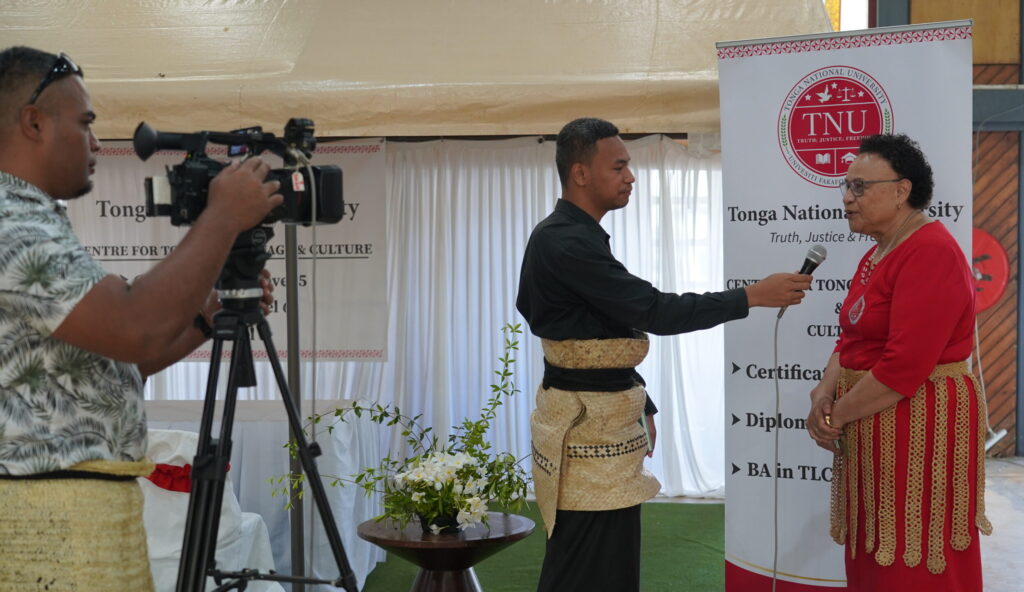
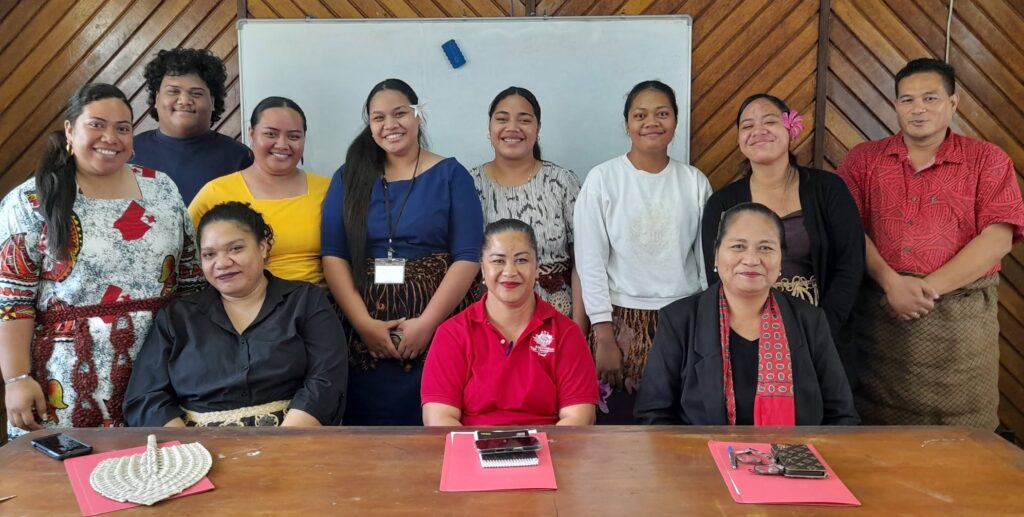
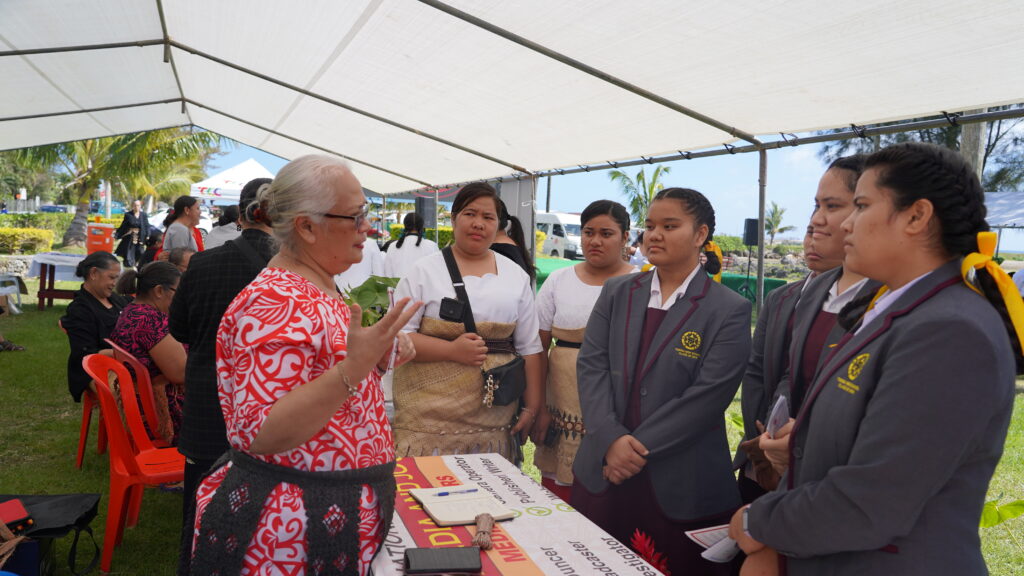
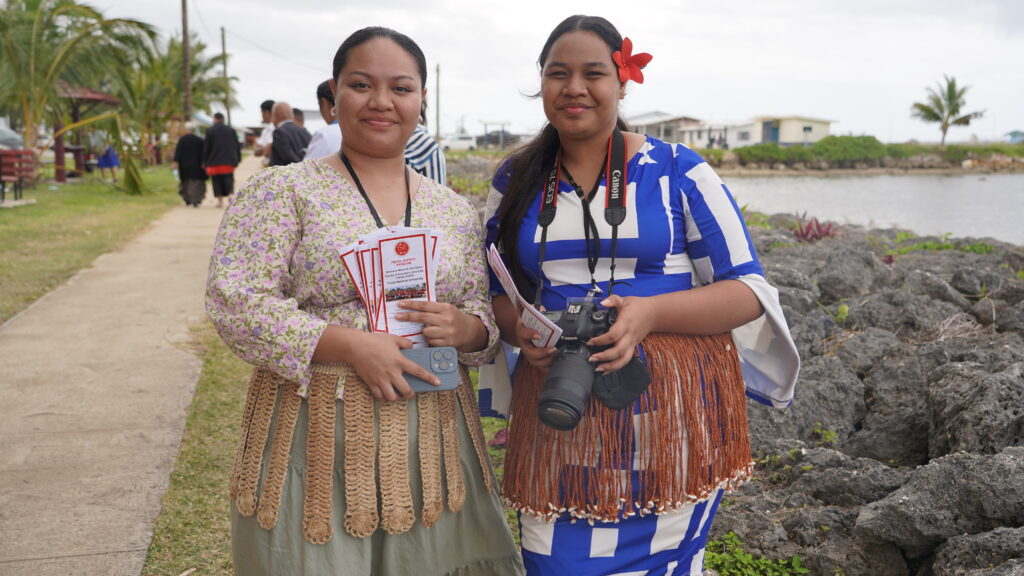
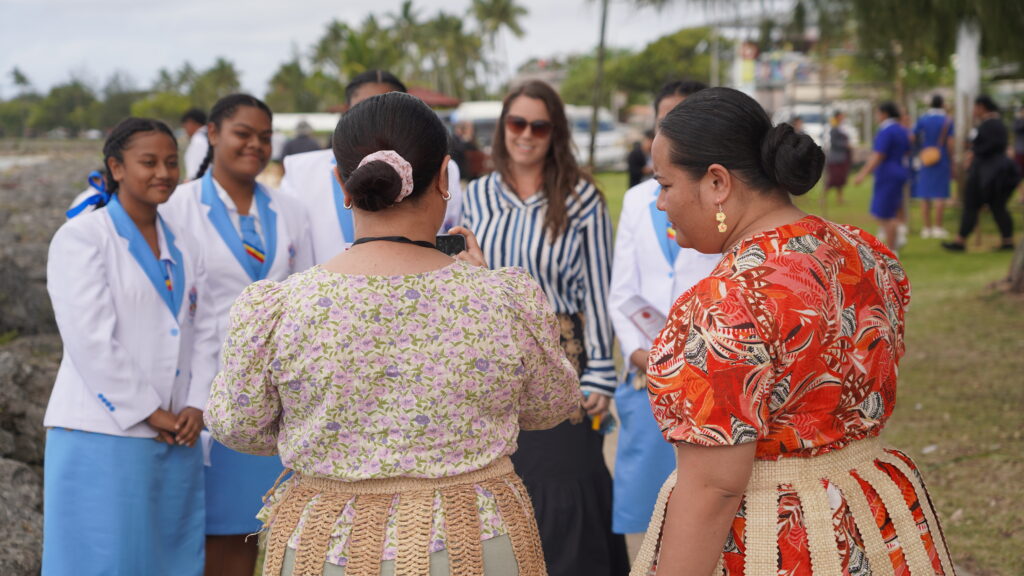
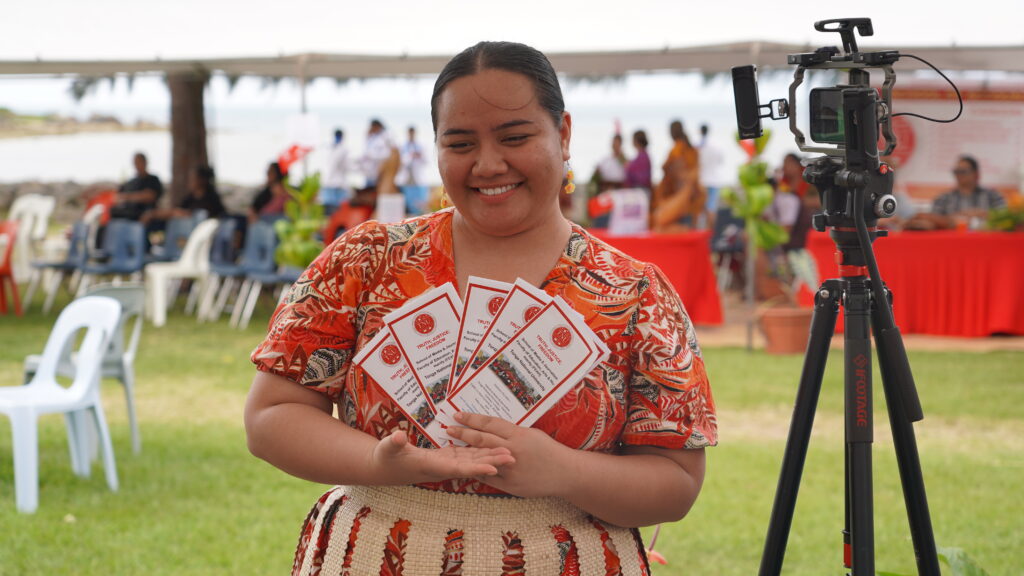
Formerly established within the Tonga Institute of Higher Education, TIHE, the School of Media and Journalism is now being placed within the Faculty of Education, Arts and Humanities.
Programmes Offered
Click each programme below to view the programme statement, course structure, and entry requirements.
1. Certificate in Media and Journalism – Level 4
Programme Statement:
Provides students with the foundational building blocks of media and journalism work. It introduces different forms of news and media and how to effectively construct a story for these different mediums and applications. Graduates will have gained the foundational skills, knowledge and ability to begin professional practice in any of the media, journalism and communications fields available in Tonga. government, non-government organizations or private sector businesses with opportunities to learn practical on-the-job skills.
Entry Requirements
For the Certificate in Media and Journalism – Level 4
Candidates must have:
- A minimum Grade 4 or an Achieved status in Form 6 (TFSC) English and Tongan subjects;
- Or a school leaver who has completed the Foundational English and Tongan subjects under the Ako Tu’uloa Pathway
- Or an applicant who can demonstrate equivalent industry skills of at least 3 years experience.
| Program Name | Semester | Code | Course Name and Description |
|---|---|---|---|
| Certificate in Media and Journalism – Level 4 | 1 | MJ100 | Introduction to Basic News Writing Designs as an introduction to basic news writing to equip students with skills and techniques about basic news writing. Students are taught about the structure and style of news writing to be able to effectively write well-structured and coherent news articles for different mediums. |
| MJ110 | Value and Ethics Develops an understanding of ethics, evaluate ethical debates in the field / practice of journalism – and in the wider context of the media industry in society. |
||
| MJ120 | Research Apply skills needed to conduct research, especially in preparation of news and/or investigative story from a well- researched topic. Apply skills of how to conduct triangulation technique in |
||
| MJ130 | Low resource media production Develops student’s understanding of the types of tools available in Tonga across the different media platforms; broadcast, print and online. |
||
| MJ140 | Civics Develops students writing skills to be able to write/produce news or investigative stories, or journalistic commentary that reflect a good understanding of political systems and their impact on citizens: |
||
| 2 | MJ150 | Broadcast and Journalism Designs for students’ exposure to the nature, elements, process and practice of writing for print, focusing on critical, interpretive and opinion writing for newspapers and other media in the form of editorials, reviews, columns, letters and cartoons |
|
| MJ160 | Writing and Print Develops fundamental journalistic writing techniques - skills that work well in any academic or vocational setting. Develops also skills in critical, interpretive and opinion writing for newspapers and other media in the form of editorials, reviews, columns, letters and cartoons. |
||
| MJ170 | Political Reporting Develops a deeper learning engagement in the practice of political reporting, concluding work on social and political systems, especially regional institutions and relationships and an interweaving theme of gender perspectives and gender-sensitivity in journalism. |
||
| MJ180 | Investigative Report Designs with a focus on the various manifestations of corrupt practices in government and private sectors. Aims to train students on how to identify corrupt acts and practices, conduct advanced research, analyse facts and perform investigative reporting. |
||
| MJ190 | Advocacy and Government Information for Media Practitioners Develops an understanding of the key functions of media advocacy, its relationship between NGOs, government information officers and the mass media. Differentiate between media advocacy & social marketing, the traditional and new media, develops advocacy tools and how to maximize, evaluate and empowering people and communities. |
Entry Requirements:
For the Certificate in Media and Journalism – Level 4
Candidates must have:
- A minimum Grade 4 or an Achieved status in Form 6 (TFSC) English and Tongan subjects;
- Or a school leaver who has completed the Foundational English and Tongan subjects under the Ako Tu’uloa Pathway
- Or an applicant who can demonstrate equivalent industry skills of at least 3 years experience.
Diploma in Media and Journalism – Level 5
Program Statement:
Provides students and professionals with a wide range of knowledge and skills in journalism and reporting. Graduates commence at graduate-level journalist positions in news rooms or graduate-level media communication positions across government, non-government organisations or private sector businesses with opportunities to learn practical on-the-job skills. Continuing to higher-level training such as a Bachelor’s level qualification will advance the student’s employment opportunities upon completion to mid to senior level positions.
Entry Requirements:
For the Diploma in Media and Journalism – Level 5
Candidates can gain entry through:
- Completion of Certificate Level 4 in Media and Journalism, in other words candidates would have graduated fron the Certificate program.
- Recognition of Prior Learning (RPL) for those working in the media and journalism industry in Tonga with at least 5 years experience in the newsroom as a reporter.
- Portfolio assessment of journalistic work. The portfolio must show an exceptional standard of work in the area of journalism covered in the Certificate Level 4 units; basic news writing, writing for print, broadcast journalism, political journalism and investigative journalism. Work submitted in the portfolio must not be more than 2 years old. In addition, the applicant must also show an understanding of civics and ethics in relation to media and journalism. Each portfolio will be assessed against its RPL system to determine entry critertia are met.
| Program Name | Semester | Code | Course Name and Description |
|---|---|---|---|
| Diploma in Media and Journalism – Level 5 | 3 | MJ200 | Principles of Law and Media Develops knowledge and understanding of journalists’ rights and obligations under the constitution and the pertinent laws, understand broader citizens’ rights and obligations in the subject areas below and apply this knowledge in reporting. |
| MJ210 | Digital and Social Media Demonstrates an understanding of how digital media is used to communicate across a variety of social and digital media to conduct research in the understanding of the ethical, technological and professional challenges within the South Pacific region. |
||
| MJ220 | Beat Reporting: Police, Court and Parliament Develops the basics of reporting and news writing focusing on how to gather and organise information, ask effective questions, respond to events and develop story ideas, research facts, and write news items to deadline. |
||
| MJ230 | Beat Reporting: Sport, Environment and Health Develops an understanding of the role sports plays in the community and in the media; and equip the students with the necessary skills and techniques to handle a sports round for TV, radio, print or the internet. Explores different environmental and health policies and the effective ways of reporting environmental and health issues. Trains students in doing research and in writing of stories that deal with environmental and health concerns and issues. |
||
| MJ240 | Regional and Global Development Explores the economic situation of the and how it affects their access to social welfare activities of the government, and other civil society organisations; to the human rights situation in the local and global perspectives and the environmental situation |
||
| 4 | MJ250 | Media Organization Equips students with the necessary knowledge, skills and attitudes for a career in the media industry; and moreover, equip the students with the necessary understanding to reflect as media practitioners on the structure and practices in the media industry. |
|
| MJ260 | Website Design and Management Develops to maximise the student’s use of the computer and the internet in conducting research work and in preparing news reports/stories and other related information materials. It also provides meaningful technical and computer skills for an audience primarily concerned with media in the form of newspaper and radio, enables a method for broadcasting news to a much larger audience for a minimal overhead. |
||
| MJ270 | Sales, Marketing and Program Promotions Develops sufficient knowledge and skills to understand the basic principles of sales, marketing, and program promotions; basic techniques and skills for sales, marketing and program promotions, analyse and express informed opinion on a viable sale, marketing and promotions plan for a media, enable students to appreciate the role of marketing, scheduling and program promotion in attracting readership/audience to a media organisation. |
||
| MJ280 | Tradition and Culture of the Pacific Develops the necessary knowledge, skills and attitudes to take the traditions and cultures into account in their work as media practitioners in representing the authentic nature of the society’s traditions and cultures. |
||
| MJ290 | Team Building Develops deeper knowledge of advocacy, lobbying, access to information, having access to information, identify key building blocks of advocacy and lobbying and how it is used by both Government and Non-Government Organisations in the context of media and communication in Tonga. |
Build Your Career in Media and Journalism
Explore practical courses in news writing, ethics, research, reporting, digital media, website management, culture, advocacy and media organisation.
Apply Now