
School of Science and Technology
The School of Science and Technology offers practical trade programmes that prepare trainees with the basic skills, hands-on experience, and technical knowledge required for employment in different trade areas.
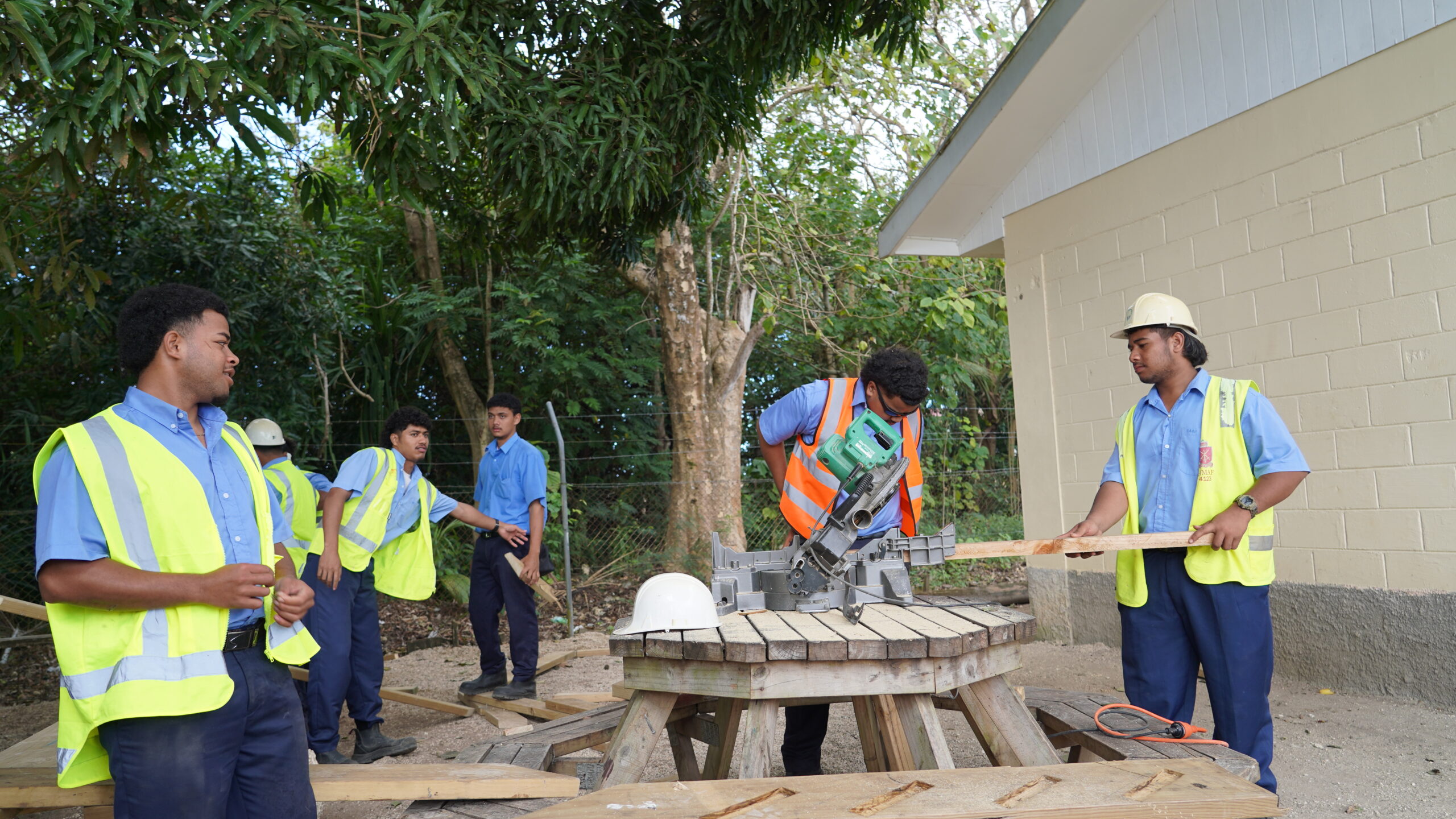
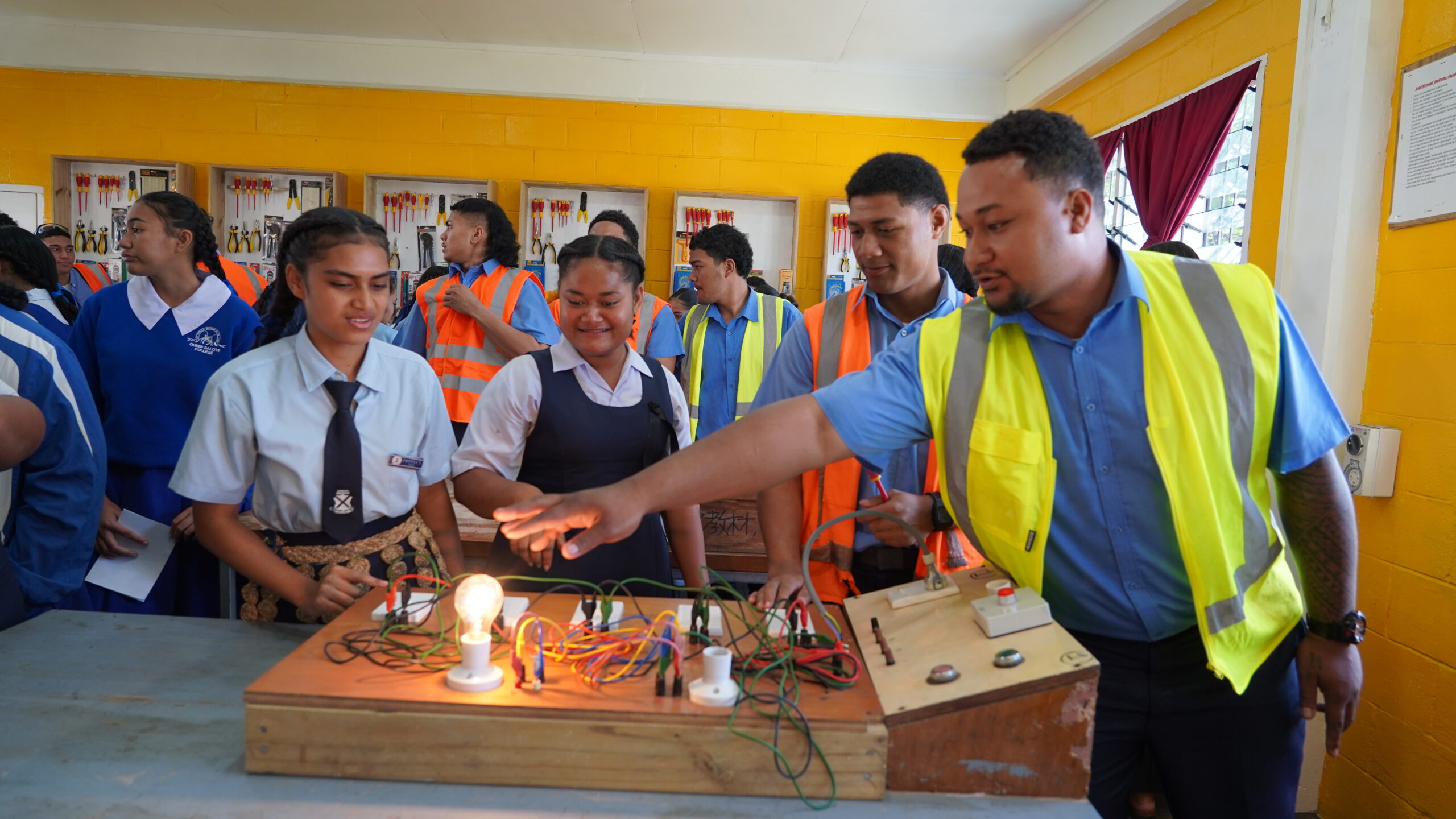
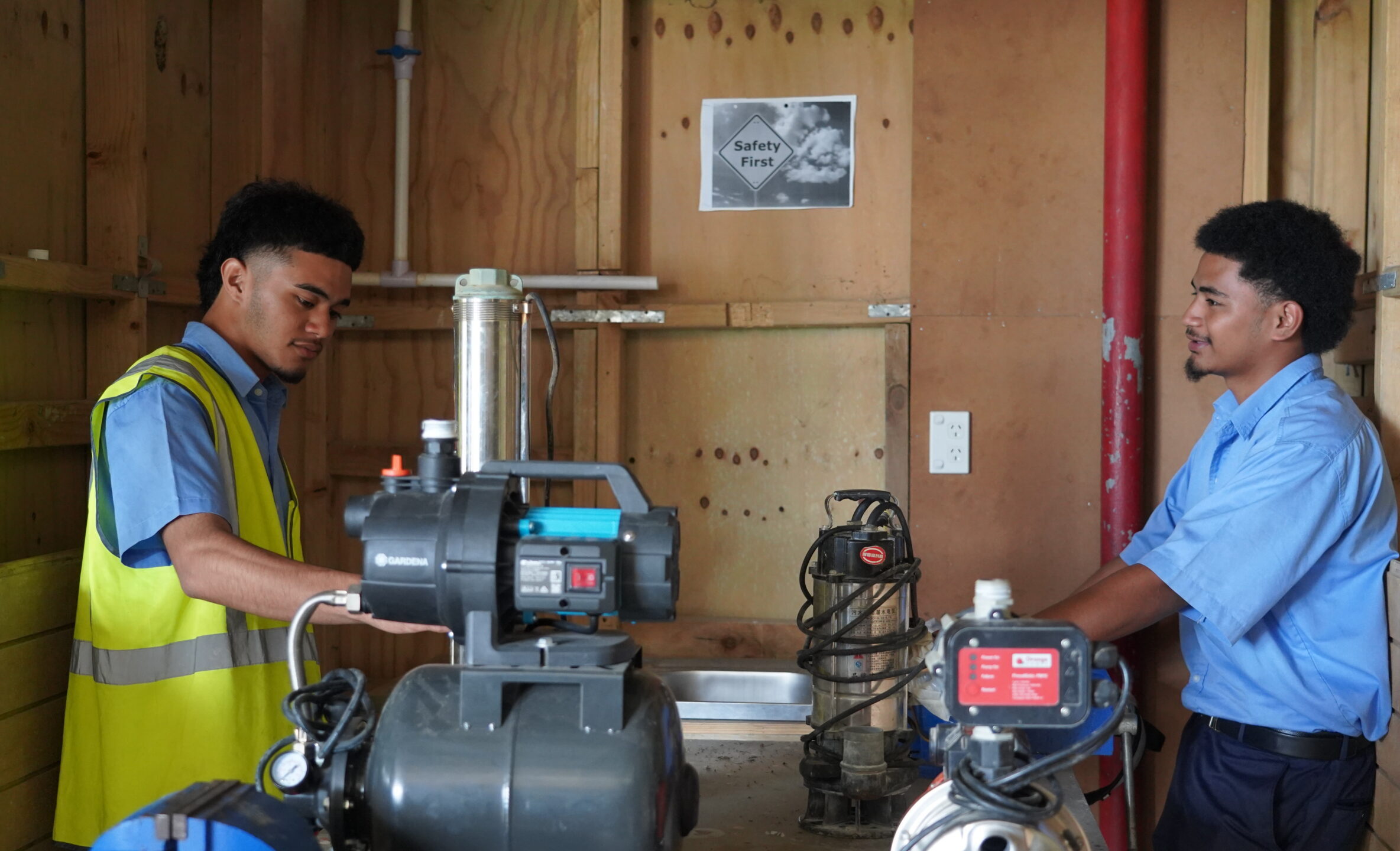
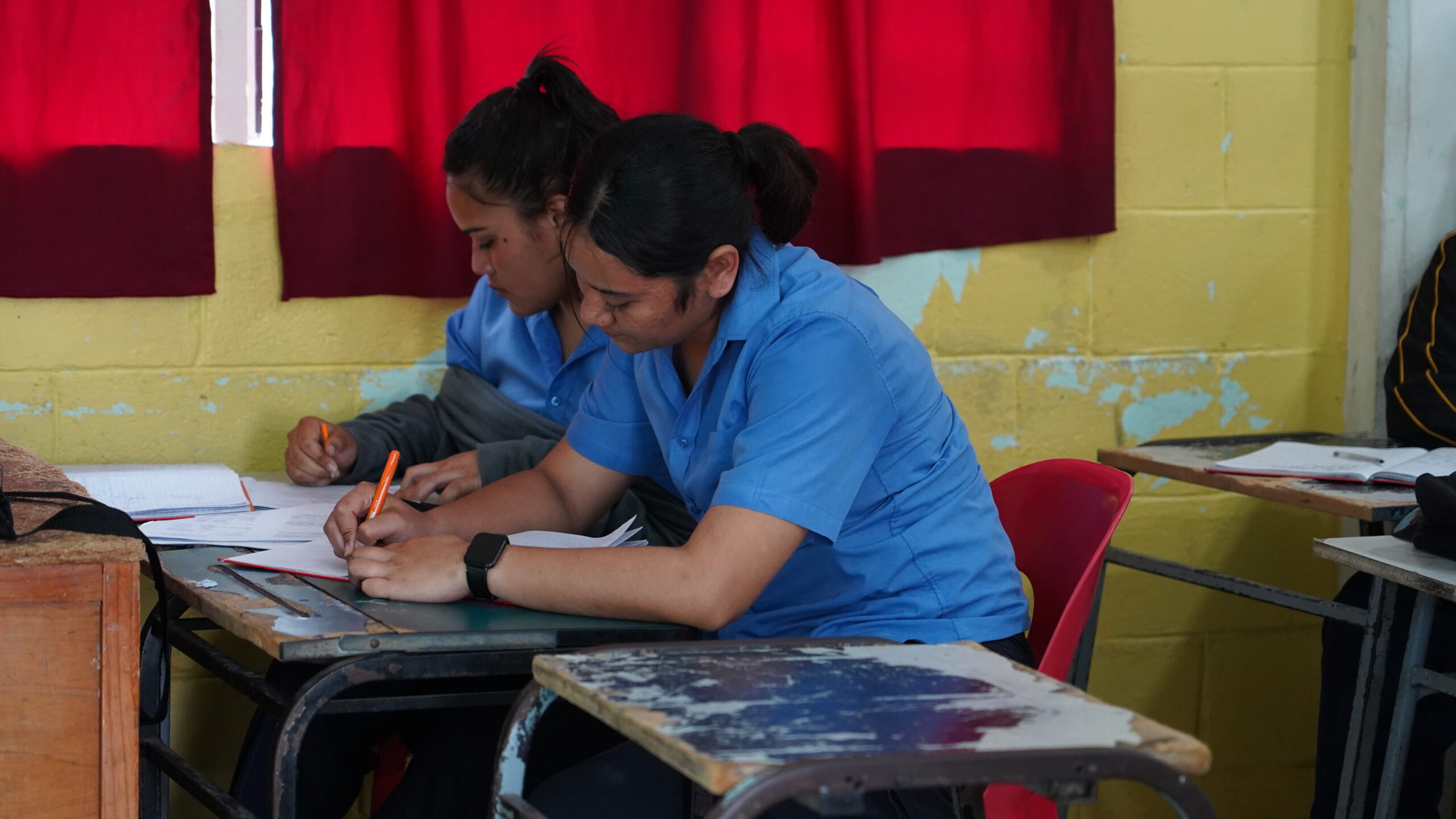
A school having the same name as the faculty it belongs to, the School of Science and Technology provides trade-based training programmes in automotive, construction, engineering, mechanical, plumbing, welding, and panel beating and spray painting fields.
Programmes Offered
Click each programme below to view the programme statement, course structure and entry requirements.
1. Automotive Light Vehicle
Program Statement
This programme provides trainees with the skills and experience required to maintain automotive light vehicles.
Course Structure
The table below shows the courses/topics for this programme, arranged by stage or semester.
| Stage / Semester | Code | Course Name | Course Description |
|---|---|---|---|
| Stage 1 | AL100 | Communication and Industrial Relations | Provide the trainees with knowledge and skills that enable them to demonstrate how to communicate effectively with other in the workplace, access information from various sources to enable referencing, servicing and repair and also enable them to complete Repair Order and Job Card and present documents and records. |
| AL101 | Occupational Health and Safety & First Aid | Enable the trainees to identify the rights and responsibilities of both employers and employees under the OH&S Act, hazard and risk control strategies use to eliminate the risk and examine safety gauge so that you understand warnings and precautions. | |
| AL102 | Automotive Workplace Safety, Tools, Equipment sand Practices | Provide the trainees to be able to demonstrate correctly the application of personal safety standards, fire safety. Identify and demonstrate automotive hand tools application and different types of friction and bearings in automotive. | |
| AL103 | Workshop Practices (TGE 102 Hand Tools) | Provide the trainees with skills and knowledge for use of Automotive tools that have been designed to make automotive repairs, modifications and servicing easy, when working on vehicles. Without the right tools on- hand, it will be difficult to complete the tasks needed to perform without errors or delays. | |
| AL104 | Automotive Hydraulic and Pneumatic Principles | Provide the trainees with knowledge and skills that enable them to explain and demonstrate the terms, mechanical, Hydraulic and Pneumatic principles and where they are applied in automotive engineering. | |
| AL105 | Automotive Engine Operation | Provide trainees to be able to identify SI and CI engine operation of 2 and 4 stroke engine and demonstrate dismantling and reassembling of engine in a safety condition. | |
| AL106 | Automotive Electrical Principle 1 | Demonstrate knowledge of automotive electrical principles. Service an automotive battery. | |
| AL107 | Automotive Vehicle Systems | Enable the trainee to identify types of lubricants and Lubrication system and how it applies in automotive field. | |
| AL108 | Automotive Maintenance and Service Procedures | Enable trainees to demonstrate how to complete vehicle service and maintenance and demonstrate a safe working environment while conducting engine service. | |
| AL109 | Automotive Heating and Welding Procedures (TGE 109 Welding 1) | Provide trainees with the knowledge and skills necessary to carry out basic oxy acetylene and metal arc welding. | |
| Stage 2 | AL200 | Automotive Electrical Systems | Provide trainees with the knowledge and skills required to check and test the starting system components and determine its operation. It also enables the trainees to diagnose faults on the lighting systems and electronic component of the vehicle. |
| AL201 | Light Vehicle Ignition Systems | Provide the trainees to be able to identify various type of ignition system and its differences. It also acquires trainees with the skills and knowledge to diagnose faults using proper test equipment including an engine diagnostic oscilloscope. | |
| AL202 | Light Vehicle Heating and Air-conditioning Systems | To provide the trainees to be able to explain the system operating principles and have the skills to carry out the correct procedures for servicing and repair the system. They should be able to identify the legislation requirements associated with the automotive air conditioning system. | |
| AL203 | Light Vehicle Cooling Systems | This module will equip trainee with knowledge of the operation, perform routine service procedures, develop in-depth knowledge of components, specific features and their operations. Testing and identifying faults, removing, replacing and repairs of cooling system components. | |
| AL204 | Light Vehicle Petrol Fuel Systems (carburetor) | To provides trainees with knowledge and skills to test, repair and adjustment procedures on petrol fuel systems. | |
| AL205 | Light Vehicle Emission Control Systems | To provides trainees with knowledge and skills to identify and explain vehicle emission control systems, components and their functions and learn how to service and test these systems. Trainees also gain knowledge and skills on how to diagnose problems associated with emissions and emissions control systems. | |
| AL206 | Light Vehicle Diesel Fuel Systems | To provide trainee with knowledge to explain light vehicle diesel fuel system operation and perform its service and repair procedure. | |
| AL207 | Light Vehicle Automotive Brake systems and Services + ABS | Provide the trainees to be able to identify and explain brake system operation principles and have the skill to perform a test to identify fault and also perform a brake repair. | |
| AL208 | Light Vehicle Automotive Suspension & Steering Systems and Services | To provides trainees with knowledge and skills to explain and conduct a service on suspension and steering system and also learn about different types of steering. | |
| AL209 | Light Vehicle Wheel Alignment | After completing this module, the trainee should gain knowledge and skills on how to conduct a wheel alignment adjustment and diagnose of vehicle stability. | |
| Stage 3 | AL300 | Light Vehicle Electrical Systems | Provide the trainees to be able to demonstrate safety precautions and skills on how to operate, remove, reinstall and diagnose common faults in warning systems, cruise control systems and supplemental restraint systems. |
| AL301 | Light Vehicle Engine Managements Systems | To provide the trainees with the knowledge of how the engine management system operate, also demonstrate skills on how to remove, replace and diagnose faults and results of the engine management system. | |
| AL302 | Light Vehicle Final Drives and Drive Shafts | Provide the trainees to demonstrate understanding on how final drives and drive shafts operate, trainees will also attain skills on how to check and test for faults, remove, replace and determine the final drives and drive shaft operational status. | |
| AL303 | Light Vehicle Clutch and Manual Transmissions | Assist trainees to be able to demonstrate knowledge on how clutch and manual transmission operate, also demonstrate skills on how to remove, replace, test and diagnose a faulty clutch and manual transmission. | |
| AL304 | Light Vehicle Automatic Transmissions | To provide the trainees to identify and know how an automatic and transmission component operate, also attain skills on how to test and repair a faulty automatic transmission, and skills on how to handle an automatic transmission. | |
| AL305 | Light Vehicle Engine Testing and Cylinder Heads | Assist the trainees to identify and explain an operational Cylinder Heads. Trainees will attain skills on how to test and repair a faulty Cylinder Head, and also skills on how to remove and reinstall Cylinder Heads. | |
| AL306 | Light Vehicle Cylinder Blocks | Provide trainees with knowledge on how to identify an operational Cylinder Block, skills on how to test and diagnose a faulty cylinder block components and determine its operational status. Trainees will also be able to remove and replace cylinder blocks and components. | |
| AL307 | Light Vehicle Turbocharger Systems | Enable trainees to identify and explain how a Turbocharger System operate, also be equipped with skills to perform a test and diagnose faults on the Turbocharger system. | |
| AL308 | Light Vehicle Exhaust Systems | Equips trainees with knowledge and skills on how an Exhaust System function and how to inspect and test for faults in the Exhaust system. Trainees will also be equipped with skills on how to remove and repair Exhaust systems. | |
| AL309 | Light Vehicle Engine Diagnostics Procedures | Provide trainees with the required knowledge to evaluate and analyse strategies and procedures on how to diagnose a faulty Diagnostic equipment. Trainees will also be able to demonstrate how to remove and replace Diagnostic equipment. |
Entry Requirements
To gain entry into this trade programme, candidates must have:
- Completed Form 3 secondary schooling.
- Work experience in the trade area applied for. Recognition of Prior Learning, RPL, will be considered.
2. Panel Beating & Spray Painting
Program Statement
This programme provides trainees with the skills and experience required for panel beating and spray painting.
Course Structure
The table below shows the courses/topics for this programme, arranged by stage or semester.
| Stage / Semester | Code | Course Name | Course Description |
|---|---|---|---|
| Stage 1 | PS100 | Demonstrate knowledge and skills in Occupational Health and Safety. | Provide the trainees to be able to demonstrate knowledge of Occupational Health and Safety (OH&S), legislation, rights and responsibilities of employers and employees under OH&S Act, knowledge and skills to identify, control and eliminate hazards, importance of signage, understand manual handling and risks and legal requirements, workplace emergency and security procedures and be able to work safely with fellow workers at the workplace and comply with OH&S policies and standards. |
| PS101 | Demonstrate knowledge and skills in Communication and Industrial Relation. | Provide trainees to be able to demonstrate knowledge and skills in effective communication through the line and process of communication, identify and access source of technical information, categorize, present and communicate the information clearly, identify workshop records and write clear messages | |
| PS102 | Demonstrate knowledge and skills in the application of tools and equipment for Body and Paint repair. | Assist trainees to be able to demonstrate knowledge and skills to select and use properly and safely the tools and equipment to produce the desired outcome according to job specifications. | |
| PS103 | Demonstrate knowledge and skills to select, use and care for engineering hand tools. | Assist trainees to be able to demonstrate knowledge and skills to identify, select, use and care for types of engineering hand tools to meet task specifications. | |
| PS104 | Demonstrate knowledge of general locations and functions of motor vehicle systems and main components. | Assist trainees to be able to identify the locations and layouts of systems and main components on motor vehicles, and demonstrate knowledge of the functions of motor vehicle systems and their main components. | |
| PS106 | Demonstrate knowledge and skills in methods of Paint Removal. | Provide trainees to be able to demonstrate knowledge and skills of safety precautions, measure and identify paint thickness, identify types of paint removal, select and carryout types of paint removal competently. | |
| PS107 | Demonstrate knowledge of the composition of common Engineering Metals. | To provide trainees to be able to demonstrate knowledge of ferrous and non-ferrous metals and their composition; and techniques for determining the composition of engineering metals. | |
| PS108 | Demonstrate knowledge of Oxy-Acetylene Welding. | To provide trainees to be able to demonstrate knowledge of oxy-acetylene welding plant, welding processes (Range; fusion welding, brazing, soldering, heating metal, cutting and low temp. brazing) and weld faults according to industry standard. | |
| PS109 | Oxy-Acetylene Welding. | Assist trainees to be able, to prepare to weld a piece of steel, weld two pieces of steel (range: lap, tee fillet) using Oxy-acetylene welding plant and join metal using brazing to industry standard. | |
| PS110 | Demonstrate knowledge of MIG Welding. | Assist trainees to be able to demonstrate knowledge of MIG welding; and MIG welding processes, welding faults and procedure for shutting down according to industry standard. | |
| PS111 | MIG Welding. | Assist trainees to be able to prepare MIG welder and metals for welding, prepare safety shields, weld metal in position to specifications and standard, shutting down and maintain MIG according to industry standard. | |
| PS112 | Demonstrate knowledge and skills in the application of Plastic Polyester Filler. | Assist trainees to be able to demonstrate knowledge of types of plastic polyester filler and skills to safely carrying out preparing substrate, preparing and applying plastic polyester filler and finishing to specification competently. | |
| PS113 | Demonstrate knowledge of Colours, Paint and application of primers. | Provide trainees to be able to demonstrate knowledge of paint colours, motor vehicle finish coats and prepare and apply primers. | |
| PS114 | Manually produce and interpret Engineering Drawing | Assist trainees to be able to draw under supervision, manually prepare, produce and interpret engineering sketches, and drawings. | |
| Stage 2 | PS200 | Welding Technique | Provide skills and knowledge required for trainees to carry out advanced gas metal arc welding (GMAW) to replace structural and non-structural vehicle body sections during vehicle body repair work. It involves preparing for the task, selecting and using GMAW equipment, operating gas metal arc welder, selecting and using suitable personal protective equipment (PPE), and completing workplace processes and documentation. |
| PS201 | Panel Repair Technique | Provide the skills and knowledge required for trainees to carry out metal finishing, incorporating heat shrinking, to repair vehicle body panels, preparing for the task, selecting and using specialist tools and equipment, setting an oxyacetylene plant, panel beating and file finishing vehicle panels to pre- paint condition without using body fillers, and completing workplace processes and documentation. | |
| PS202 | Surface Preparation Procedure | Assist the trainees for the performance outcomes required to apply masking materials in preparation for vehicle and component refinishing. It involves preparing for the task, selecting and using tools and equipment, selecting masking materials appropriate to the vehicle or component, masking off surrounding panels and components before refinishing activities, and completing workplace processes and documentation. | |
| PS203 | Spray Booth | Assist the trainees for the performance outcomes required to prepare paint drying equipment. It involves preparing for the task, selecting and using specialist tools and equipment, setting, operating and maintaining paint drying equipment to manufacturer specifications, and completing workplace processes and documentation. | |
| PS204 | Minor Structural Repair | Assist the trainees for the performance outcomes required to inspect, repair and align chassis, frame and components to vehicles. It involves preparing for the task, selecting and using specialist tools and equipment, identifying damage, taking pre-repair measurements, conducting repairs, taking post- repair measurements according to original equipment manufacturer (OEM) or authorized agency specifications, and completing workplace processes and documentation. | |
| PS205 | Compressors, Transformers and Airlines | Assist the trainees for the performance outcomes required to service air compressors, pressure regulators, water traps, filters and air lines. It involves cleaning and replacing filters, making necessary adjustments, and completing workplace processes and documentation as part of the day-to-day maintenance of the system. | |
| PS206 | Colour Matching Fundamentals | Provide trainees to be able to demonstrate knowledge and skills in colour matching fundamentals, also preparing for the task, selecting and using specialist tools and equipment, preparing colour matching test cards, mixing and spraying paint and conducting a visual colour match, and completing workplace processes and documentation. | |
| PS207 | Acrylic Lacquer Application | Provide trainees to be able to demonstrate knowledge and skills in acrylic lacquer to a variety of vehicle components by spray gun application. It is involves preparing for the task, selecting and using specialist tools and equipment, mixing and applying automotive paint materials according to manufacturer specifications, and completing workplace processes and documentation. | |
| PS208 | Spray Equipment & Spray Technique | Provide trainees to be able to demonstrate knowledge and skills in spray equipment and spray technique, also required to clean and maintain vehicle spray painting equipment. It involves preparing for the task, selecting and using cleaning materials and equipment, preparing spray painting equipment for vehicle refinishing activities, and completing workplace processes and documentation. | |
| Stage 3 | PS300 | Paint Material Preparation | Assist trainees to be able to prepare and paint plastic and composite vehicle surfaces, and prepare vehicle substrates for refinishing. |
| PS301 | Acrylic Lacquer Primer | Provide trainees to be able to prepare primers and apply refinishing primers to vehicle surfaces. | |
| PS302 | Colour Matching Acrylic Lacquer & Two Pack COB Metallics | Provide the trainees to learn the different colour matchings and procedures to apply multi- layer and clear over base two-pack paints on vehicles and components, as well as the techniques of matching direct gloss solid paint colour on vehicles or components. | |
| PS303 | Acrylic Urethane COB Touch Up | Provide trainees to learn to apply clear over base multi-layer and pearl refinishing materials to vehicle body components, including the techniques of primer preparation, application and masking the vehicles. | |
| PS304 | Acrylic Lacquer Touch-Up (Solid & Metallic) | Provides the trainees to analyse abrasive surfaces on vehicles, carry out proper preparation stages in accordance with the manufacturer’s specifications, which precede the application of top coats in minor and major spot repair using the solid acrylic lacquer touch-up techniques for solid and metallic surfaces, and the clear over base two-pack materials, and also to achieve quality final paint finish in the repair of vehicle components. | |
| PS305 | Vehicle Detailing Procedures | Assist the trainees to learns about the detailed parts and materials that make up the interior and exterior of an automotive vehicle, compounds needed to and appropriate ways of cleaning and polishing these materials, and how to correct visible vehicle painting faults through the use of the right tools and equipment, and also be able to de-nib, buff and polish vehicle painted surfaces. | |
| PS306 | Vehicle Inspection and Estimating | Provide the trainees to be able to inspect vehicle damages and determine the repair procedures with good estimation skills. Vehicle damage involves panel damage, panel replacement, trim damage, accessories and paintwork. The trainee will also use proper estimation procedures to provide a reliable quotation on the necessary repair required. | |
| PS307 | Application of Air-Dry Polyurethane Enamels | Enable trainee to examine the use, mixing and application procedures specifically in the Automotive industry in terms of polyurethane enamel to achieve a quality finished product. Polyurethane paint is mainly used on transportation vehicles, aircraft and marine equipment and in a wide range of industrial applications. The trainee will be able to apply air dry and polyurethane refinishing to automotive materials. | |
| PS308 | Acrylic Urethane Solid Colour Respray | Provide trainees with the necessary knowledge and skills to repaint a motor vehicle using an acrylic urethane solid colour. Trainees will carry- out custom painting techniques to vehicle body panels with due considerations on the materials to use and the effectiveness of executing the tasks at hand. | |
| PS309 | Apply water based refinishing materials to vehicle bodies and substrates. | — | |
| PS310 | Motor Body and Related Trades | Trainees at the end of this module are able to prepare and apply primers, fillers and sealers to motor body and related parts, and use safety practices in the process and disposal of materials used. |
Entry Requirements
To gain entry into this trade programme, candidates must have:
- Completed Form 3 secondary schooling.
- Work experience in the trade area applied for. Recognition of Prior Learning, RPL, will be considered.
3. Plumbing
Program Statement
This programme provides trainees with the basic skills and experience required to work as a plumber.
Course Structure
The table below shows the courses/topics for this programme, arranged by stage or semester.
| Stage / Semester | Code | Course Name | Course Description |
|---|---|---|---|
| Stage 1 | PL100 | Carry out interactive workplace communication | Equip trainees with knowledge and skills to improve the way of communication with colleagues, customers and various people at work. |
| PL101 | Read plans and calculate plumbing quantities | Develop knowledge and skill of workplace regulations and standards, safely set up work area, interpret scales, plans, symbols and job specifications. | |
| PL102 | Work effectively in the plumbing industry | Develop trainees with knowledge and skills of being part of a team, setting goals, sharing information, supporting, being confident to ask for assistance and sharing information. | |
| PL103 | Carry out OHS requirements | Equip trainees with knowledge and skills necessary for work safely at the workplace and on-site-job under the OHS Acts. | |
| PL104 | Handle and store plumbing materials | Equip trainees with knowledge and skills to handle and store plumbing materials safely to yourself and fellow workers. | |
| PL105 | Use plumbing hand and power tools | Develop trainees with knowledge and skills on the functions of a range of hand and power tools commonly used in the plumbing sector, selecting the right tool for the job, ensure the safety of the tool and well maintained. | |
| PL106 | Cut and join sheet metal | Equip trainees with knowledge and skills of cutting, join sheet metal of various types and utilise different techniques of joining that conduct in the plumbing industry. | |
| PL107 | Mark out materials | Equip trainees with knowledge and skills of marking out materials prior to fabrication of piping, steel sections, ducting, roofing and cladding. | |
| PL108 | Weld using oxy-acetylene equipment | Equip trainees with knowledge and skills of specifying outcomes required to weld/braze metals associated with fabrication, installation and repair of plumbing components and systems using oxy-acetylene equipment. | |
| PL109 | Weld using manual metal ARC welding | Equip trainees with knowledge and skills for applying the principles of fusion welding low carbon steel using the arc welding to a specified standard. | |
| PL110 | Fabricate and install non-ferrous pressure piping | Equip trainees with knowledge and skills of fabricating, installing and testing of pipe systems that utilise non-ferrous pipe materials. | |
| PL111 | Carry out simple concreting and rendering | Equip trainees with knowledge and skills of patching up or repairing of concrete and render. | |
| PL112 | Weld polyethylene and polypropylene pipes using fusion method | Equip trainees with knowledge and skills of the required fusion weld polyethylene and polypropylene, polymer pipes, and test joints in polymer pipe up to DN100 for water, sanitary and stormwater application. | |
| Stage 2 | PL200 | Select and install roof sheeting and wall cladding | Develop trainees with knowledge and skills of selecting, install roof sheeting, steel battens, wall cladding for roofs, non-metallic roof materials associated with metal roofing and of insulation materials. |
| PL201 | Collect and store roof water | Develop trainees with knowledge and skills of specifying the outcomes required to determine storage requirements, plan, prepare, install storage tanks, related piping for the collection and storage of roof water. | |
| PL202 | Fabricate roof coverings for curved structures | Equip trainees with knowledge and skills of specifying the outcomes required to design and fabricate curved industrial roof coverings. | |
| PL203 | Receive roofing materials | Equip trainees with knowledge and skills of the outcomes required to coordinate the delivery, receipt and handling of roofing materials on a site. | |
| PL204 | Fabricate and install roof drainage components | Equip trainees with knowledge and skills of the outcomes required to fabricate, install roof drainage components, rainwater goods for commercial and residential roof systems. | |
| PL205 | Fabricate and install external flashings | Equip trainees with knowledge and skills of the outcomes required to fabricate and install external flashings for roof and ceiling installations. | |
| PL206 | Install roof components | Equip trainees with knowledge and skills to select and install industrial type roofing components in roofs. | |
| PL207 | Install roof coverings to curved roof structures | Equip trainees with knowledge and skills to set out and instal roofing to hyperbolic, paraboloid, barrel vault roof, curved roof and bull-nosed roof structures. | |
| PL208 | Install composite roof systems | Equip trainees with knowledge and skills to select, install roof sheeting and wall cladding, selection, installation of metallic and non-metallic roof materials associates with metal roofing and insulation materials. | |
| PL209 | Install and adjust water service controls and devices | Equip trainees with knowledge and skills to install water service controls and mixing devices used to manually control water mix and flow. It includes the basic adjustment and maintenance of correct flow operation for flushing devices, control valves, temperature control devices pumps and appliances, and excludes the commissioning and adjustment of backflow prevention devices and thermostatic mixing valves. | |
| PL210 | Install and commission water heating systems | Equip trainees with knowledge and skills the outcomes required to install, commission water heaters for domestic and commercial applications. | |
| PL211 | Set out and install water services | Equip trainees with knowledge and skills of the outcomes required to install heated, cold and tempered water services from the water supply to the fixture or points of discharge and storage. | |
| PL212 | Connect and install storage tanks to a domestic water supply | Equip trainees with knowledge and skills of the outcomes required to connect and install storage tanks to a domestic water supply. | |
| PL213 | Install discharge pipes | Equip trainees with knowledge and skills of the outcomes required to install pipework from soil and wastewater fixtures to a stack or drain. | |
| PL214 | Work safely on roofs | Equip trainees with knowledge and skills of the outcomes required to perform safe work practices when undertaking plumbing work on roofing structures. | |
| PL215 | Flash penetrations through roofs and walls | Equip trainees with knowledge and skills of the outcomes required to set out, cut and flash a roof and wall penetration. | |
| PL216 | Install and fit off sanitary fixtures | Equip trainees with knowledge and skills of the outcomes required to install, fit off sanitary fixtures, installing sanitary plumbing, connection of discharge pipes and drainage, including soil and waste fixtures. | |
| Stage 3 | PL300 | Carry out levelling | Equip trainees with knowledge and skills of the outcomes required to plan and use levelling equipment to establish, record, apply those levels to the plumbing and services industry. |
| PL301 | Cut using Oxy-LPG Acetylene | Equip trainees with knowledge and skills of the outcome required to use oxy-LPG-acetylene equipment to carry out basic cutting of mild steel in support of plumbing and applications and fabrication to meet job specifications. | |
| PL302 | Install water pump sets | Equip trainees with knowledge and skills of the outcome required to install and test water pumps. | |
| PL303 | Fit off and commission heated and cold-water systems | Equip trainees with knowledge and skills of the outcome required to fit off and commission heated and cold-water services to appropriate fixtures. | |
| PL304 | Connect irrigation systems from drinkable water supply | Equip trainees with knowledge and skills of the outcome required to connect irrigation and watering systems from a drinking water supply. | |
| PL305 | Install water services | Equip trainees with knowledge and skills of the outcome required to install a water supply system from the authority’s main to the metering device, according to water authority’s requirement. | |
| PL306 | Install water pipe systems | Equip trainees with knowledge and skills of the outcome required to install a water supply system from the authority’s main to the metering device, according to water authority’s requirements. | |
| PL307 | Fabricate and install fire hydrants and hose reel systems | Equip trainees with knowledge and skills of the outcome required to fabricate and install fire hydrant and hose reel systems. | |
| PL308 | Plan layout for a residential sanitary plumbing system | Equip trainees with knowledge and skills of the outcome required to plan the layout, size and install a sanitary plumbing system for residential buildings. | |
| PL309 | Fabricate and install sanitary stacks | Equip trainees with knowledge and skills of the outcome required to fabricate and install sanitary stacks for soil and waste discharges. | |
| PL310 | Install pre-treatment facilities | Equip trainees with knowledge and skills of the outcome required to install pre-treatment facilities designed to intercept and retain prohibited discharges to the sanitary plumbing and drainage system. | |
| PL311 | Locate and clear blockages | Equip trainees with knowledge and skills of the outcome required to locate and clear blockages to sanitary plumbing and drainage with the use of mechanically operated drain clearing machines and attachments, closed circuit television (CCTV) and manually operated drain cleaning tools and equipment where required. | |
| PL312 | Install domestic treatment plants | Equip trainees with knowledge and skills of the outcome required to install approved prefabricated domestic treatment plants. | |
| PL313 | Maintain effluent disinfection systems | Equip trainees with knowledge and skills of the outcome required to maintain chlorine disinfection systems for domestic treatment plants. | |
| PL314 | Install stormwater and sub-soil drainage systems | Equip trainees with knowledge and skills of the outcome required to install stormwater and sub-soil drainage systems to an approved point of discharge. | |
| PL315 | Install trench support | Equip trainees with knowledge and skills undertaking trench excavations and the re-instatement of trenches up to a depth of 1.5m and all work must be supervised and team situation. | |
| PL316 | Install pre-fabricated inspection openings and Enclosures | Equip trainees with knowledge and skills of the outcome required to install prefabricated inspection openings and enclosures. | |
| PL317 | Plan layout of residential sanitary drainage system | Equip trainees with knowledge and skills of the outcome required to install, plan and layout residential sanitary drainage system and connection. | |
| PL318 | Install below ground sanitary drainage systems | Equip trainees with knowledge and skills of the outcome required to install below ground sanitary drainage systems for sewage and waste discharge from sanitary fixtures to the authority’s approved point of connection. | |
| PL319 | Install on-site disposal systems | Equip trainees with knowledge and skills of the outcome required to install an on-site effluent disposal system from a domestic treatment plant. |
Entry Requirements
To gain entry into this trade programme, candidates must have:
- Completed Form 3 secondary schooling.
- Work experience in the trade area applied for. Recognition of Prior Learning, RPL, will be considered.
4. Carpentry
Program Statement
This programme provides trainees with the basic skills and experience required to work as building and construction workers.
Course Structure
The table below shows the courses/topics for this programme, arranged by stage or semester.
| Stage / Semester | Code | Course Name | Course Description |
|---|---|---|---|
| Stage 1 | CP100 | Occupational Health and Safety | Equip trainees with knowledge and skills necessary for work safely at the workplace and on-site-job under the OHS Acts. |
| CP101 | Introduction to Trade | Equip trainees with knowledge and skills necessary for using hand tools, calculation of materials quantity and costing. | |
| CP102 | Static Power Machines | Introduces trainees with knowledge and skills of the procedures for setting out, operating and maintenance the static power machines. | |
| CP103 | Timber as a building material | Equip trainees with the knowledge and skills necessary to identify, explain, demonstrate the defects in timber, Identify the grade and size of the timber. | |
| CP104 | Basic fasteners and Adhesives | Equip trainees with knowledge and skills necessary for identify, selecting the types of fasteners and their uses. | |
| CP105 | Preparing site and set out footing | Equip trainees with knowledge and skills necessary for interpreting, analyse, plan, specification to get the right information for preparing site and set out footing. | |
| CP106 | Concrete strip footing | Equip trainees with knowledge and skills necessary for interpreting, analyse the plan and specification to get the right information for constructing concrete strip footing site and set out footing. | |
| CP107 | Concrete slab on ground | Equip trainees with knowledge and skills necessary for interpreting, analyse the plan and specification to get the right information for constructing slab on ground. | |
| CP108 | Timber sub-floor structure | Equip trainees with knowledge and skills necessary for interpreting, analyse the plan and specification to get the right information for constructing sub-floor structures. | |
| CP109 | Flooring | Equip trainees with knowledge and skills necessary for interpreting, analyse the plan and specification to get the right information for constructing flooring material. | |
| CP110 | Wall framing | Equip trainees with knowledge and skills necessary for interpreting, analyse the plan and specification to get the right information for constructing wall frame structure. | |
| CP111 | Basic roof and ceiling framing | Equip trainees with knowledge and skills necessary for interpreting, analyse the plan and specification to get the right information for constructing cable roof and ceiling frame. | |
| CP112 | Cladding, lining and moulding | Equip trainees with knowledge and skills necessary for interpreting, analyse the plan and specification to get the right information for constructing cladding, lining and moulding. | |
| CP113 | Stairs without riser | Equip trainees with knowledge and skills necessary for interpreting, analyse the plan and specification to get the right information for constructing stair without riser. | |
| CP114 | Communication and industrial relations | Equip trainees with knowledge and skills necessary for good communication and interact with other workers at the site, apply the skills to solve problems cause by miscommunication at the construction site. | |
| CP115 | Trade drawings | Equip trainees with knowledge and skills necessary to interpret drawings and specifications, draw and dimension in two- and three-dimensional views according to standard. | |
| Stage 2 | CP200 | Brick veneer dwelling | Equip trainees with knowledge and skills necessary for designing and constructing the brick veneer dwelling. |
| CP201 | Reinforced Concrete | Develop the understanding the properties of concrete and reinforcement and interpret the type of force which acts on concrete. | |
| CP202 | Formwork for columns and walls | Equip trainees with knowledge and skills necessary for preparing and constructing the formwork for columns and walls. | |
| CP203 | Formwork for suspended slab and beam | Equip trainees with knowledge and skills necessary for preparing and constructing the formwork for suspended slab and beam. | |
| CP204 | Flat roof construction | Equip trainees with knowledge and skills necessary for preparing and constructing the flat roof structure. | |
| CP205 | Roof trusses | Develop trainees understanding and interpret the type of force which acts on truss, design and construct the truss for gable and hip roof. | |
| CP206 | Insulation and natural ventilation | Equip trainees with knowledge and skills of insulation, ventilation and install it to decrease the energy consumption. | |
| CP207 | Wet area construction | Develop trainees with knowledge and skill of the appropriate type and method of construction to be carried out at the wet area in the building. | |
| CP208 | Doors and windows | Develop trainees with knowledge and skills the method of constructing of doors and windows to avoid the water leakage. | |
| CP209 | Scaffolding | Equip trainees with knowledge and skills necessary for preparing and constructing timber and steel scaffold. | |
| CP210 | Interior stair | Develop trainees with knowledge and skills of the specifications, standard for stairs and set out the materials to construct the interior stair. | |
| CP211 | Residential drawings and designs 2 | Equip trainees with knowledge and skills of the outcome required to identify, plan and draw brick layout residential house according to the standards and specifications. | |
| Stage 3 | CP300 | Hip and valley roof | Equip trainees with knowledge and skills for interpreting, analyse the plan and specification of hip and valley, gambrel roof, calculating materials quantities and cost, design, set out materials and construct hip and valley and gambrel roof. |
| CP301 | Formwork for concrete stairs | Equip trainees with knowledge and skills for interpreting, analyse the plan and specification of concrete stair, calculating materials quantities and cost for stair formwork, reinforcement and concrete, design, set out materials and construct formwork for concrete stair according to standards. | |
| CP302 | Construction and install cupboard | Equip trainees with knowledge and skills for interpreting, analyse the plan and specification of kitchen cupboard, calculating materials quantities and cost, design, set out materials and construct. | |
| CP303 | Shop fronts and fitting | Equip trainees with knowledge and skills for interpreting, analyse the plan and specification of shop-front and display units, calculating materials quantities and cost, design, set out materials and construct. | |
| CP304 | Construction in high wind areas | Equip trainees with knowledge and skills for identifying type of fasteners used to fix in each connection of building structure from roof down to foundation according to building codes. | |
| CP305 | Tonga building codes (timber framing code) | Equip trainees with knowledge necessary for the standards and building codes relevant for Tonga. | |
| CP306 | Leveling | Equip trainees with knowledge and skills to set up instrumental level, carry out field survey, determine the slope ground level for excavation and calculate the amount of soil to be excavated. | |
| CP307 | Hoardings, barricades and gantries | Equip trainees with knowledge and skills necessary for design, set out materials and construct Hoarding, Barricade and gantry. | |
| CP308 | Explosive powered tools operation | Equip trainees with knowledge and skills necessary for cleaning, inspection and lubrication, load the correct charge and operate explosive powered tools. | |
| CP309 | Residential drawing and designs 2 | Equip trainees with knowledge and skills necessary for plan, design, draw detail residential plans and costing. |
Entry Requirements
To gain entry into this trade programme, candidates must have:
- Completed Form 3 secondary schooling.
- Work experience in the trade area applied for. Recognition of Prior Learning, RPL, will be considered.
5. Electrical Engineering
Program Statement
This programme provides trainees with the basic skills and experience required to work as electricians.
Course Structure
The table below shows the courses/topics for this programme, arranged by stage or semester.
| Stage / Semester | Code | Course Name | Course Description |
|---|---|---|---|
| Stage 1 | EE100 | Occupational Health and Safety | Provide an overview of Occupational Health and Safety and introduce safe procedures for personnel working in the electrical/electronic environment. |
| EE101 | Drawings and Diagrams for Electrical Work | Assist trainees to read, interpret and draw architectural -drawings for the locations of electrical circuits, accessories and appliances. | |
| EE102 | Engineering Science | Develop a good understanding of the SI system of measurement, the conversion between units, substitute formula, use trigonometric theorem and transpose equations and formulas. | |
| EE103 | Electrical Principles 1 | Develop a fundamental knowledge of electricity, basic dc circuit and describes a range of commonly used electrical components | |
| EE104 | Cells and Batteries | Develop the knowledge of identification, applications, care and handling of primary and secondary cells, test, charge and maintain secondary batteries. | |
| EE105 | Electrical Drawing Interpretation and Connection | ‘Develop skills and knowledge of identify, design, read electrical and architectural drawings, planning, servicing, altering of electrical equipment and installations. | |
| EE106 | Test Equipment | Develop skills and knowledge of setting, reading, measuring of current, voltage, resistance, etc utilizing types of electrical test equipment for electrical measurements. | |
| EE107 | Electrical Wiring and Equipment 1 | Develop knowledge and skills of the safe procedures for testing and isolating an electrical circuit, associated standards requirements for electrical safety specifications, colour coding and applications of various cords and cables. | |
| EE108 | DC Power Supply Fundamental 1 | Develop knowledge and skills on calculate, measure voltages and currents in rectifier circuit, identify and draw waveforms at the source and the load, determine if the power supply operate correctly and locate a defective component. | |
| Stage 2 | EE200 | Electrical Principles 2 | Develop knowledge of electrical and electronic theory, focuses on AC theory and simple analogue electronic circuit designs. They applied this theory in the construction and testing of electrical installations and electronic circuits. |
| EE201 | DC Machines | Familiarize trainees with basic structure, function, operation, characteristics and if any mathematical and practical problems associated with electrical DC machines. | |
| EE202 | Electrical Wiring and Equipment 2 | Develop knowledge and skills for installing an electrical circuit, segregation of low voltage wiring from wiring of other system, associated standards requirements for electrical safety. | |
| EE203 | Electrical Wiring and Equipment 3 | Develop knowledge and skills for installing an electrical circuit using flat TPS in skirting trunking, floor duct, and test to ensure electrical safety. | |
| EE204 | Electrical Installation and Requirement 1 | Develop knowledge and skills in determining the maximum demand of a domestic installation and using that demand, select the correct size cable for the installation and applying SAA requirements for switchboards, meters, earthing and special situations within a domestic installation. | |
| EE205 | Electrical Installation and Requirement 2 | Develop knowledge and skills in determining the maximum demand of a domestic installation and using that demand, select the correct size cable for the installation and applying SAA requirements for switchboards, meters, earthing and special situations within non-domestic installation. | |
| EE206 | DC Power Supply Fundamentals 2 | Develop knowledge and skills in describing the principles of single-phase half-wave, full-wave rectifier, voltage regulator and troubleshooting linear power supply circuit. | |
| EE207 | Amplifier Fundamentals | Develop knowledge and skills on the operation of the BJT, various biasing methods of amplifier, calculating and measuring circuit voltages, input/output resistance and voltage gain of BJT amplifiers. | |
| EE208 | Digital Fundamentals | Develop knowledge and skills to understand basic logic gates, basic combinational logic circuits, display systems, commonly used digital codes and number systems. | |
| EE305 | Electrical Testing | Develop knowledge and skills on the requirements of the Electricity Regulation and the AS/NZS 3017:1996 Electrical Installation-Testing guidelines, develop an understanding of the obligations and responsibilities of electrical contractors, electrical workers and supply authorities and the test equipment needed to conduct the test. | |
| Stage 3 | EE300 | Electrical Principles 3 | Develop knowledge and skills required to comprehend the principles associated with single and three phase a.c. circuits. |
| EE301 | Single & Three-Phase Transformer | Develop knowledge of single and three- phase transformers construction, operation and electrical characteristics, impedance and voltage regulation, transformer auxiliary equipment and the procedures to safely work on high voltage distribution transformer. | |
| EE302 | Generation & Distribution of Electrical Energy | Develop knowledge and skills on electrical energy generation and distribution, generating systems, high and low voltage distribution, overhead and underground methods, substation, and protection. | |
| EE303 | Three Phase Induction Motor | Introduces the fundamental principles of three-phase motors operation, basic construction, introduce requirements for starting large motors, connections, braking, rotation reversal and fault-finding techniques. | |
| EE304 | Single Phase Induction Motor | Introduces the single-phase split phase induction motor, capacitor motors, shaded pole motor, series universal motors, speed control protection and diagnostic testing of various single phase induction motors. | |
| EE305 | Circuit Development 1 | Develop trainees with knowledge and skills used to develop, draw and connect single and three phase circuits that contain relays, contactors, timers, convert wiring diagram to a circuit diagram, test and fault- finding technique. | |
| EE306 | Programmable Logic Controller | Introduces the basic operating principles of programmable controllers, the difference from fixed digital control logic and electric relay control logic. | |
| EE307 | Analogue Electronics | Developed and understand the design, analysis, selection of workable substitutions in circuits using modern op-amp and analogue IC. | |
| EE308 | Microprocessor Fundamental | Develop trainees with knowledge and skills of complete microprocessor system, how the memory section works, how to program the microprocessor and how input and output devices connected. | |
| EE309 | Microprocessor Applications | Introduce range of microprocessor support chips commonly found in electronic equipment, range of input/output devices including keyboards, printers, display devices, main features and operations of the input/output devices. | |
| EE310 | Power Control Devices | Developed trainees with knowledge and skills of methods to control power to electrical circuits, the advantages and disadvantages of controlling power, operation, characteristics and rating of thyristor. |
Entry Requirements
To gain entry into this trade programme, candidates must have:
- Completed Form 3 secondary schooling.
- Work experience in the trade area applied for. Recognition of Prior Learning, RPL, will be considered.
6. Fitting and Machining
Program Statement
This programme provides trainees with the basic skills and experience required of a mechanic.
Course Structure
The table below shows the courses/topics for this programme, arranged by stage or semester.
| Stage / Semester | Code | Course Name | Course Description |
|---|---|---|---|
| Stage 1 | FM100 | Occupational Health and Safety | Equip trainees with the knowledge and skills necessary to work safely at the workplace and comply with workshop standards, also expected to carry out safety work practices and demonstrate minor first aid at the workshop and on-job. |
| FM101 | Material 1 | Equip trainees with knowledge of steel production, composition and properties of metals and their applications, and also expected to develop skills in comparing different metals, advantage and disadvantages in a particular set of requirements, developed a sound understanding of the link between theory and practice in the science of metal and engineering environment. | |
| FM102 | Hand Tools | Equip trainees with the knowledge and skills to use and care for hand tools competently, and also expected to select and use properly and safely hand tools to produce the desired outcome according to job specifications. | |
| FM103 | Drills and Drilling Operation 1 | Equip the students with knowledge of drills and drilling machine and skills to operate and perform specific operation on a drilling machine, and also expected to carry out drilling safely on different types of drilling machine and drill bit according to the materials and specification, carry out maintenance and care for both drilling machine and drill bit. | |
| FM104 | Fasteners | Equip trainees with the knowledge and skills necessary to identify, select and use different types of fasteners, and also expected to identify and use different types of fasteners safely in different applications, carry out riveting in the metal and engineering environment. | |
| FM105 | Grinding | Equip students with the knowledge of grinding wheels and skills to select, test and install grinding wheels according to specifications and safety, and also to be able to select the most suitable grinding machine for a job and use grinding machine in the correct and safe procedures to produce the desired outcomes according to the specifications. | |
| FM106 | Brazing and Braze Welding | Equip students with the knowledge and skills necessary to prepare and conduct brazing and braze welding. Trainees also will have the skills to prepare and conduct correctly and safely brazing and braze welding of metals according to the standard outcomes required. | |
| FM107 | Lathe 1 | Equip students with the knowledge and skills necessary to conduct turning of metals in a metal lathe. Trainees is expected to identify the parts of a metal lathe and also conduct setting of work and tool post and turning metals according to specifications. | |
| FM108 | Principles of Forging Operation | Equip students with the knowledge and skills necessary to conduct forging properly and safely. Trainees will be able to identify and explain forging equipment or tools and their functions, also conduct forging operations in the correct and safe procedures to produce desired outcomes according to the specifications. | |
| FM109 | Welding 1 | Equip trainees with the knowledge and skills necessary to conduct gas welding of sheet metals and manual metal arc welding, and also be able to identify different parts and functions of gas and arc welding equipment, and also conduct welding according to the industry standards and specifications. | |
| FM110 | Trade Calculation 1 | Equip trainees with the knowledge and skills necessary to calculate and solve basic engineering problems. | |
| FM111 | Trade Drawing 1 | Assist trainees with the knowledge and skills necessary to interpret, draw and dimension engineering drawings, and also expected to interpret drawings and specifications, draw and dimension in two- and three-dimensional views according to standard specifications. | |
| Stage 2 | FM200 | Lubrication and Cutting Fluid | Assist trainees with the knowledge and skills necessary to select the correct types of cutting fluids or lubricants used in metal and engineering industry. A trainee is expected to identify different types and properties of cutting fluids and lubricants, and also be able to select and use the correct cutting fluid for the job and the machine. |
| FM201 | Bearings, Seals and Gaskets | Assist trainees with the knowledge and skills necessary to identify and select the correct bearing, seals or gasket when performing maintenance and repair. A trainee is expected to identify, explain and demonstrate the methods of checking, cleaning and packing of bearings and seals, and also be able to install bearing, seals and gasket in the correct procedures. | |
| FM202 | Transmission of Power | Equip trainees with the knowledge and skills necessary to identify the connection of power or rotary motions of energy to a machine or from one line to another using shafting, couplings, pulleys and belts, sprocket and chains or gears. A trainee is expected to identify, explain and select the correct method of connecting power, by using shaft, coupling, belts and pulleys, sprocket and chains or gears. | |
| FM203 | Drills and Drilling Operation 2 | Equip trainees with the knowledge and skills necessary to identify, select and use different types of drills and drilling operations. A trainee is expected to identify and select the correct drill bits suitable for the job, and conduct different types of drilling operations according to standards and specifications. | |
| FM204 | Pipe Work | Equip trainees with the knowledge and skills necessary to carry out working with pipes in engineering environment, and also trainees is expected to identify and demonstrate the application of different pipes according to the materials which are made of, carry out cold and hot bending of pipe, aligning and cutting using power tools or cutting wheel, and identification of pipe using code or symbols. | |
| FM205 | Lathe 2 | Equip trainees with the knowledge and skills necessary to identify, select and use lathe cutting tools in different turning operations. A trainee is expected to identify and select the appropriate lathe cutting tools according to the requirement of the job, and also maintain lathe cutting tools and all its accessories including sharpening, store and maintenance of lathe machine. | |
| FM206 | Limits, Fits and Tolerances | Equip trainees with the knowledge and skills necessary to identify and demonstrate the applications of limits, fits and tolerances. A trainee is expected to identify, read and calculate limit of fits, tolerance or allowances in an engineering drawing. | |
| FM207 | Material 2 | Equip trainees with the knowledge and skills necessary to identify different processes of heat treatment of alloys and steels. A trainee is expected to identify different processes of heat treatment and demonstrate the correct and safe procedure of conducting heat treatment of steels and alloys. | |
| FM208 | Milling 1 | Equip trainees with the knowledge and skills necessary to prepare and carry out milling according to specification. A trainee is expected to identify milling machine parts, types of milling cutters and demonstrate skills in operating the milling machine in the correct and safe procedures. | |
| FM209 | Engine Operation | Assist trainees with the knowledge and skills to demonstrate engine operation cycles, engine components and their functions, engine classification and safety. | |
| FM210 | Trade Calculation 2 | Equip the trainees with the knowledge and skills necessary to calculate and solve basic engineering calculations. A trainee is expected to calculate the percentage of wastage of any material, calculation using laws of indices, calculate tolerance of fit and mass of material according to the density. | |
| FM211 | Trade Drawing 2 | Equip trainees with the skills and knowledge necessary to draw and dimension engineering drawings. A trainee is expected to draw and fully dimension a pyramidal-work pieces, half and full sections, internal and external threads, nuts and bolts and third angle projections. | |
| Stage 3 | FM300 | Handling Materials and Equipment | Equip trainees with the knowledge and skills necessary to safely and efficiently handle materials in engineering environment. Trainee is expected to handle different materials safely involving lifting or carrying loads from one area to another manually, or with the aids of mechanical devices/equipment. |
| FM301 | Machine Components for Loads and Power Transmission | Equip trainees with knowledge and skills necessary to identify machine components for loads and power transmissions, and also trainee is expected to identify and explain types of machine components that carry and support loads, types of stresses that machine components are subjected to under different applications. | |
| FM302 | Lathe 3 | Assist trainees with the knowledge and skills necessary to carry out further turning operations that can be performed on the centre lathe, also trainee is expected to carry out lathe tools preparations and operations including taper turning, eccentric turning, spherical turning, set up machine for thread cutting and cutting multi-start thread (2 starts only). | |
| FM303 | Welding 2 | Assist trainees with the knowledge and skills necessary to carry out pressure or gas metal arc welding, and also is expected to identify safety and types of welding process using GMAW and demonstrate welding in different position to specifications. | |
| FM304 | Gears and their Application | Assist trainees with the knowledge and skills necessary to identify different types of gear and their applications, and also trainee is expected to identify and explain terminology for spur gears, metric module pitch, diametric pitch, transverse pitch, base pitch and the relationship between these profiles. Demonstrate the applications of toothed gear and explain materials used for producing gears. | |
| FM305 | Milling 2 | Assist trainees with the knowledge and skills necessary to carry out milling operations safely and accurately according to standards or specifications, also trainee is expected to identify and demonstrate planning of task, setting gear cutting using different types of indexing head and carry out milling operation according to the operational plan. | |
| FM306 | Surface and Cylindrical Grinding | Assist trainees with the knowledge and skills necessary to carry out surface and cylindrical grinding safely and accurately, also trainee is expected to identify types of surface and cylindrical grinding machines, prepare and set up work, operate and carry out grinding safely according to specification. | |
| FM307 | Pumps | Assist trainees with the knowledge and skills necessary to identify different types of pumps and demonstrate how to service or install pump, also is expected to identify pump in terms of types, chambers, transmission of energy and exchanging of momentum. Demonstrate how to identify faults and remedies, service and install pumps according to standards or specifications. | |
| FM308 | Hydraulic | Assist trainees with the knowledge and skills necessary to describe and demonstrate the principles of hydraulics, its system and applications, also trainee is expected to identify how hydraulic system works, demonstrate basic service and maintenance of the system. | |
| FM309 | Electrical Fundamentals | Assist trainees with knowledge and skills necessary to define the voltage, current, resistance, open and short-circuit, describe the difference between a conductor and an insulator, identify and draw the electrical circuit and component symbols. | |
| FM310 | Trade Calculation 3 | Equip trainees with the knowledge and skills necessary to carry out engineering calculation. | |
| FM311 | Trade Drawing 3 | Equip trainees with the knowledge and skills necessary to interpret and carry out engineering drawing to specifications. |
Entry Requirements
To gain entry into this trade programme, candidates must have:
- Completed Form 3 secondary schooling.
- Work experience in the trade area applied for. Recognition of Prior Learning, RPL, will be considered.
7. Welding
Program Statement
This programme provides trainees with the basic skills and experience required to work as welders.
Course Structure
The table below shows the courses/topics for this programme, arranged by stage or semester.
| Stage / Semester | Code | Course Name | Course Description |
|---|---|---|---|
| Level 2 · Semester 1 | WD100 | Demo and apply knowledge of safe welding procedures under supervision | — |
| WD101 | Demo and apply knowledge of welding low carbon steel | — | |
| WD102 | Demo & apply knowledge of welding aluminium & stainless | — | |
| WD103 | Weld steel in all positions using GMAW and FCAW processes | — | |
| WD104 | Demo and apply knowledge of welding aluminium - GMAW | — | |
| WD105 | Weld Stainless Steel sheet using the GTAW Process | — | |
| WD106 | Weld Aluminium in using the GTAW Process | — | |
| WD107 | Demo knowledge of metal cutting and gouging processes | — | |
| WD108 | Cut metals using the thermal processes | — | |
| WD109 | Weld steel structure in all positions using MMAW | — | |
| Level 3 · Semester 2 | WD200 | Demo and apply knowledge of safe welding procedures under supervision | — |
| WD201 | Demo and apply knowledge of welding low carbon steel | — | |
| WD202 | Demo & apply knowledge of welding aluminium & stainless | — | |
| WD203 | Weld steel in all positions using GMAW and FCAW processes | — | |
| WD204 | Demo and apply knowledge of welding aluminium GMAW | — | |
| WD205 | Weld Stainless Steel sheet using the GTAW Process | — | |
| WD206 | Weld Aluminium in using the GTAW Process | — | |
| WD207 | Demo knowledge of metal cutting and gouging processes | — | |
| WD208 | Cut metals using the thermal processes | — | |
| WD209 | Weld steel structure in all positions using MMAW | — |
Entry Requirements
To gain entry into this trade programme, candidates must have:
- Completed Form 3 secondary schooling.
- Work experience in the trade area applied for. Recognition of Prior Learning, RPL, will be considered.
Build Practical Skills for the Workforce
Explore the trade programmes offered by the School of Science and Technology and prepare for practical employment opportunities in Tonga and the wider region.